 NL·0716
Herbarium of the Nature Library
- Name
- Athene noctua
- Family
- Strigidae
- Native to
- Europe, North Africa, the Middle East and Central Asia to Mongolia and China; introduced to Britain in the 19th century and to New Zealand
- Habitat
- Farmland, Steppe, Semi-desert, Mediterranean scrub
On eBird ↗
Little Owl
Live sightings near you, the range map, bar charts of when it is seen, and Macaulay Library photos and recordings.
Little owl
Athene noctua
Also calledKukumav (Turkish) · Koukouvagia (Greek) · Steinkauz (German) · Chevêche d'Athéna (French) · Mochuelo europeo (Spanish) · Civetta (Italian)
A small, flat-headed owl with fierce yellow eyes and white 'eyebrows' that is often active by day, bobbing on fence posts and walls. It was the sacred owl of Athena and the emblem of ancient Athens.
The little owl, also known as the owl of Athena or owl of Minerva, is a bird that inhabits much of the temperate and warmer parts of Europe, the Palearctic east to Korea, and North Africa. It was introduced into Britain at the end of the 19th century and into the South Island of New Zealand in the early 20th century. Wikipedia
What it can do
- iHunts by day as well as night, running after prey on the ground
- iiBobs its head and body when alarmed
- iiiNests in tree holes, walls, rabbit burrows and nest boxes
- ivTolerates heat and arid conditions in desert edges
In the field
Field marks
- aSmall, plump, round-winged owl with a flat head
- bBrown plumage spotted with white
- cYellow eyes with white eyebrows giving a frowning look
- dBounding, woodpecker-like flight
- Voice
- A plaintive, rising 'kiew' or 'goo-ek', and a sharp 'kip-kip' alarm.
- Not to be confused with
- Scops owl is smaller, greyer and has ear tufts. Boreal (Tengmalm's) owl has a pale facial disc with dark border and lives in forest. Tawny owl is much larger with dark eyes.
- Where to see it
- Olive groves and farmland in Spain, Italy and Greece; Dutch and Belgian pollard willows; farmland in central England; ruins in the Middle East.
- When
- Resident
Listen
Looking for field recordings…
Life & habits
- Diet
- Beetles, earthworms, voles, mice, small birds and lizards
- Habitat
- Open farmland with old trees, orchards, stone walls, ruins, rocky semi-desert
- Size
- 21–23 cm; wingspan 54–58 cm; 160–250 g
- Lifespan
- Typically 3–5 years
Perches in the open on posts and rooftops in daylight, bobbing up and down when disturbed.
Where it lives
Recorded sightings
—
geo-referenced records in GBIF, from museums, herbaria and field observers.
Native range
Europe, North Africa, the Middle East and Central Asia to Mongolia and China; introduced to Britain in the 19th century and to New Zealand
Drag the globe to turn it. Dots are where records exist, not a range map; darker means more records.
In the old herbals & bestiaries
Woodcuts and engravings matched from the Source Library’s scanned books by name. Plates marked “relative” show a close kin rather than this exact species. Click a plate to read the page it came from, with translation.

Garden of Health (Hortus Sanitatis)
Jacob Meydenbach · 1491 · p.588

History of Animals, Book I: On Viviparous Quadrupeds
Conrad Gessner · 1554 · p.783

Ten Books of Exotic Things
Carolus Clusius · 1605 · p.807

The Natural History of Carolina, Florida and the Bahama Islands, Vol. 1
Mark Catesby · 1777 · p.38

Of the Eggs and Nests of Birds
Giuseppe Zinanni (Ginanni) (1692-1753) · 1737 · p.133

Ortus sanitatis
1491 · p.652

Noah's Ark
Athanasius Kircher · 1675 · p.135
In the stacks
Searching the stacks…
Every page naming Athene noctua in the Biodiversity Heritage Library →
Marginalia
The owl on Athenian silver tetradrachms from the 5th century BC is a little owl, giving rise to the proverb 'bringing owls to Athens', and a modern Greek one-euro coin still carries the design.
Curiosity
Little owls were introduced to England from the Netherlands by Victorian landowners such as Lord Lilford in the late 19th century.
Kinship
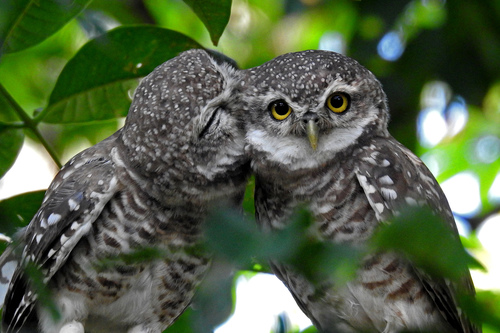
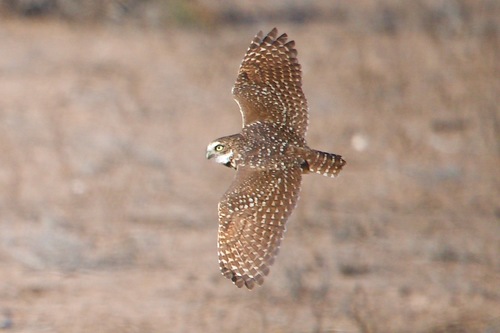
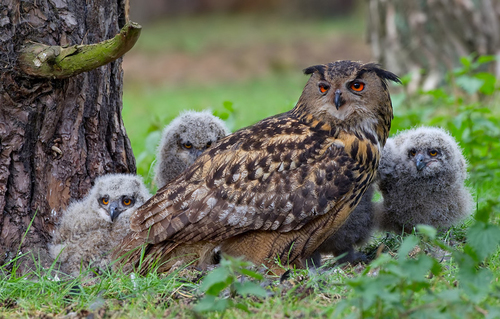
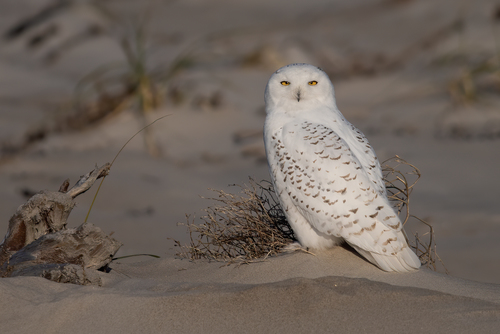
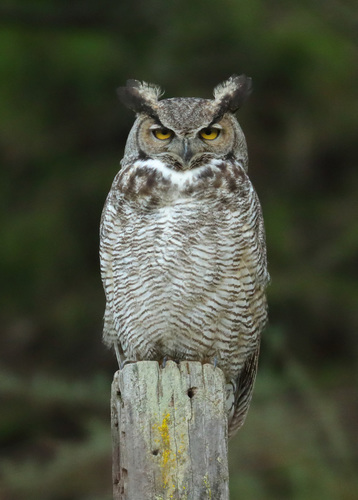
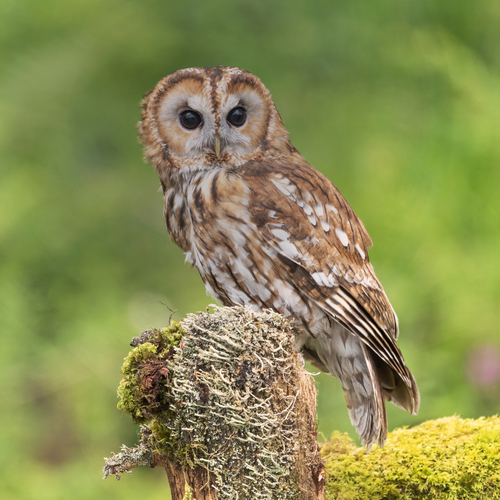
Photographs: iNaturalist contributors under the licences shown. Records: GBIF.org. Historical plates: Source Library (CC BY-SA 4.0; originals public domain). Summary text: Nature Library editors and Wikipedia (CC BY-SA). Medicinal and edibility notes are historical and educational, not advice. iNaturalist taxon 19998.