
Animals
Animalia
Animals are multicellular, eukaryotic organisms belonging to the biological kingdom Animalia (). Animals consume organic material, breathe oxygen, have muscle cells, can reproduce sexually, and grow from a hollow sphere of cells, the blastula, during embryonic development. With few exceptions, animals are able to move. Animals form a clade, meaning that they arose from a single common ancestor. Over 1.5 million living animal species have been described, of which around 1.05 million are insects, over 85,000 are molluscs, and around 65,000 are vertebrates. It has been estimated there are as many as 7.77 million animal species on Earth. Animal body lengths range from 8.5 μm (0.00033 in) to 33.6 m (110 ft). They have complex ecologies and interactions with each other and their environments, forming intricate food webs. The scientific study of animals is known as zoology, and the study of animal behaviour is known as ethology.
The animal kingdom is divided into five major clades, namely Porifera, Ctenophora, Placozoa, Cnidaria and Bilateria. Most living animal species belong to the clade Bilateria, a highly proliferative clade whose members have a bilaterally symmetric and significantly cephalised body plan, and the vast majority of bilaterians belong to two large clades: the protostomes, which include organisms such as arthropods, molluscs, flatworms, annelids and nematodes; and the deuterostomes, which include echinoderms, hemichordates and chordates, the last of which contains the vertebrates.
33 branches of this kingdom, most-observed first

Arthropods
phylumArthropoda

Chordates
phylumChordata

Molluscs
phylumMollusca

Cnidarians
phylumCnidaria

Echinoderms
phylumEchinodermata

Segmented Worms
phylumAnnelida

Sponges
phylumPorifera

Flatworms
phylumPlatyhelminthes

Bryozoans
phylumBryozoa

Nematodes
phylumNematoda

Rotifers
phylumRotifera

Comb Jellies
phylumCtenophora

Ribbon Worms
phylumNemertea

Horsehair Worms
phylumNematomorpha

Tardigrades
phylumTardigrada

Velvet Worms
phylumOnychophora

Brachiopods
phylumBrachiopoda

Gastrotrichs
phylumGastrotricha
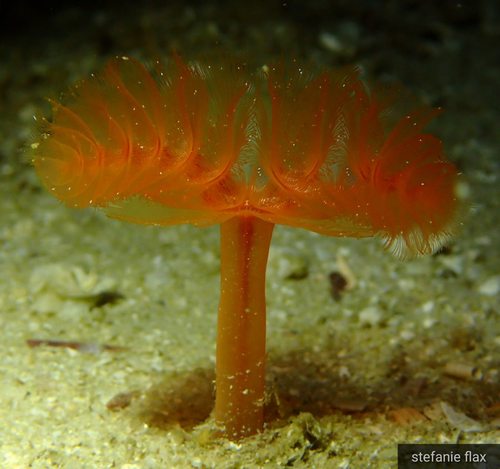
Horseshoe Worms
phylumPhoronida

Xenoturbellids and Allies
phylumXenacoelomorpha

Hemichordates
phylumHemichordata

Entoprocts
phylumEntoprocta
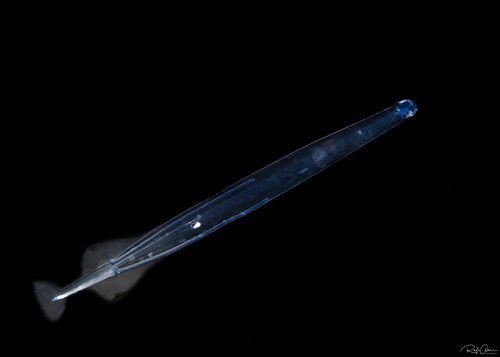
Arrow Worms
phylumChaetognatha

Thorny-headed Worms
phylumAcanthocephala

Priapulid Worms
phylumPriapulida

Mud Dragons
phylumKinorhyncha

Cycliophorans
phylumCycliophora

Dicyemids
phylumDicyemida

Jaw Worms
phylumGnathostomulida

Placozoans
phylumPlacozoa

Gnathiferans
phylumGnathifera

Orthonectids
phylumOrthonectida

Loriciferans
phylumLoricifera
Where it lives
Recorded sightings
—
geo-referenced records in GBIF, from museums, herbaria and field observers.
Drag the globe to turn it. Dots are where records exist, not a range map; darker means more records.
In the old herbals & bestiaries

In the stacks
Searching the stacks…
Every page naming Animalia in the Biodiversity Heritage Library →
This page is assembled live from iNaturalist, GBIF, Wikipedia, the Source Library and the Internet Archive. It is not yet part of the hand-edited codex. iNaturalist taxon 1.