
Tardigrades
Tardigrada
Tardigrades (/ˈtɑːrdɪˌɡreɪd/; also known colloquially as water bears, or moss piglets) are water-dwelling, eight-legged, segmented micro-animals. They were first discovered by the German zoologist Johann August Ephraim Goeze in 1773. The name Tardigrada (meaning "slow stepper") was given three years later by the Italian biologist Lazzaro Spallanzani. They have been found everywhere: from mountaintops to the deep sea and mud volcanoes; from tropical rain forests to the Antarctic.
3 branches of this phylum, most-observed first
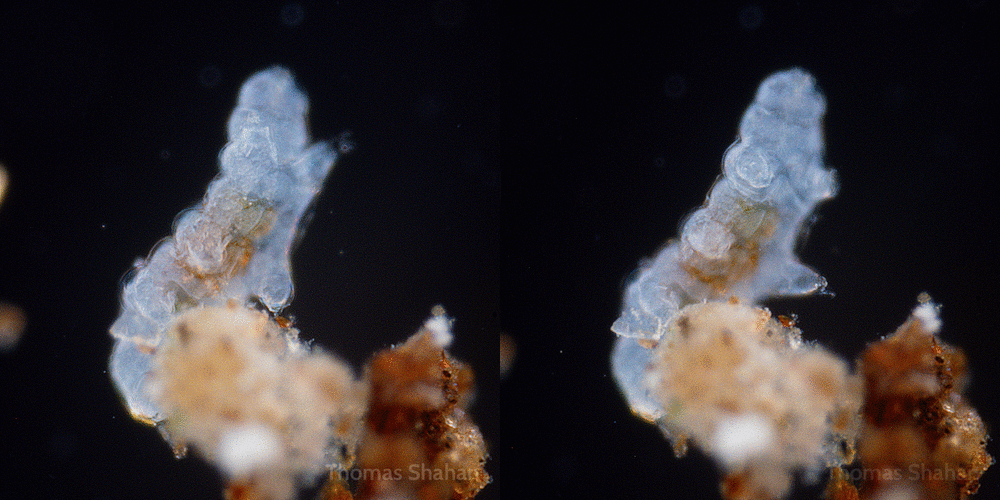
Smooth-bodied Tardigrades
classEutardigrada
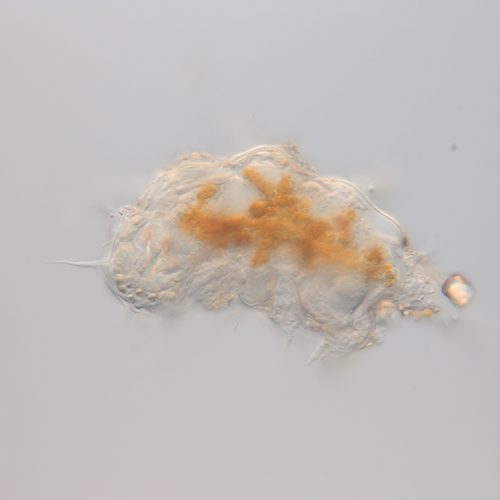
Rough-bodied Tardigrades
classHeterotardigrada
Mesotardigrada
classMesotardigrada
Where it lives
Recorded sightings
—
geo-referenced records in GBIF, from museums, herbaria and field observers.
Drag the globe to turn it. Dots are where records exist, not a range map; darker means more records.
In the stacks
Searching the stacks…
Every page naming Tardigrada in the Biodiversity Heritage Library →
This page is assembled live from iNaturalist, GBIF, Wikipedia, the Source Library and the Internet Archive. It is not yet part of the hand-edited codex. iNaturalist taxon 124337.