
Segmented Worms
Annelida
Annelids (), also known as segmented worms, are animals that comprise the phylum Annelida (; from Latin anellus 'little ring'). The phylum contains over 22,000 extant species, including ragworms, earthworms, and leeches. The species exist in and have adapted to various ecologies – some in marine environments as distinct as tidal zones and hydrothermal vents, others in fresh water, and yet others in moist terrestrial environments.
Annelids are bilaterally symmetrical, triploblastic, coelomate, invertebrate organisms. They also have parapodia for locomotion. Most textbooks still use the traditional division into Polychaetes (almost all marine), Oligochaetes (which include earthworms) and Hirudinea (leech-like species). Cladistic research since 1997 has radically changed this scheme, viewing leeches as a sub-group of oligochaetes and oligochaetes as a sub-group of polychaetes. In addition, the Pogonophora, Echiura and Sipuncula, previously regarded as separate phyla, are now regarded as sub-groups of polychaetes. Annelids are considered members of the Lophotrochozoa, a "super-phylum" of protostomes that also includes molluscs, brachiopods, and nemerteans.
8 branches of this phylum, most-observed first
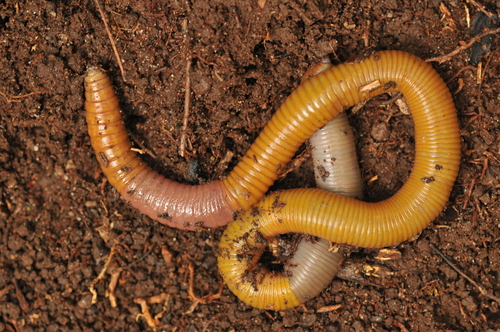
Clitellates
classClitellata

Polychaete Worms
classPolychaeta

Peanut Worms
orderSipuncula
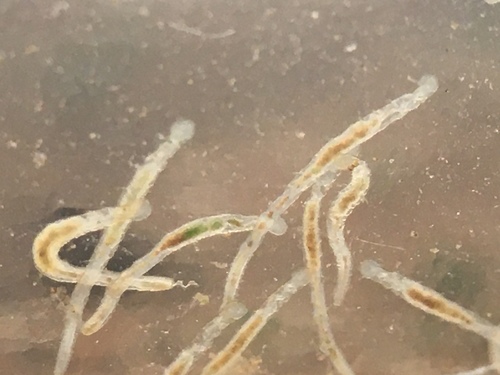
Suction-feeding Worms
familyAeolosomatidae
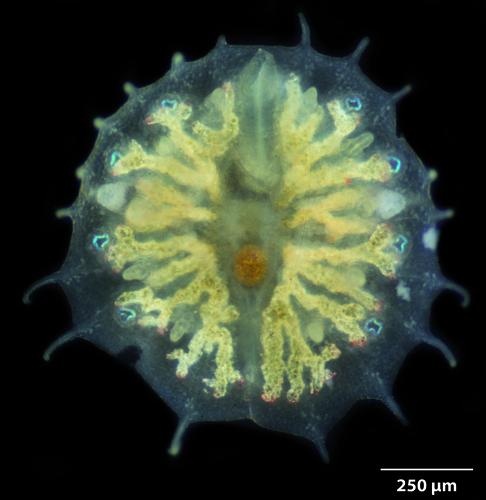
Myzostomidans
orderMyzostomida
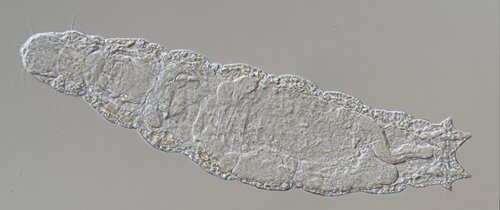
Diurodrilidae
familyDiurodrilidae
Potamodrilidae
familyPotamodrilidae
Lobatocerebridae
familyLobatocerebridae
Where it lives
Recorded sightings
—
geo-referenced records in GBIF, from museums, herbaria and field observers.
Drag the globe to turn it. Dots are where records exist, not a range map; darker means more records.
In the stacks
Searching the stacks…
Every page naming Annelida in the Biodiversity Heritage Library →
This page is assembled live from iNaturalist, GBIF, Wikipedia, the Source Library and the Internet Archive. It is not yet part of the hand-edited codex. iNaturalist taxon 47491.