 NL·0718
Herbarium of the Nature Library
- Name
- Bubo scandiacus
- Family
- Strigidae
- Native to
- Circumpolar Arctic; winters south into Canada, the northern USA, Europe and Asia
- Habitat
- Tundra, Open grassland, Coasts
On eBird ↗
Snowy Owl
Live sightings near you, the range map, bar charts of when it is seen, and Macaulay Library photos and recordings.
Snowy owl
Bubo scandiacus
Also calledUkpik (Inuktitut) · Harfang des neiges (French) · Snøugle (Norwegian) · Xuěxiāo (Chinese) · Belaya sova (Russian)
A large white owl of the Arctic tundra that hunts by day in the continuous light of polar summer. Its numbers and breeding rise and fall with lemming cycles.
The snowy owl, also known as the polar owl, the white owl and the Arctic owl, is a large, white owl of the true owl family. Snowy owls are native to the Arctic regions of both North America and the Palearctic, breeding mostly on the tundra. It has a number of unique adaptations to its habitat and lifestyle, which are quite distinct from other extant owls. One of the largest species of owl, it is the only owl with mainly white plumage. Males tend to be a purer white overall while females tend to have more extensive flecks of dark brown. Juvenile male snowy owls have dark markings and may appear similar to females until maturity, at which point they typically turn whiter. The composition of brown markings about the wing, although not foolproof, is the most reliable technique for aging and sexing individual snowy owls. Wikipedia
What it can do
- iHunts in 24-hour daylight, unlike most owls
- iiThick feathering, including on the toes, insulates against −50 °C
- iiiNomadic: travels widely to breed where lemmings are abundant
- ivClutch size varies from 0 to over 10 eggs depending on prey
- vPeriodically 'irrupts' far south in winter
In the field
Field marks
- aLarge white owl with yellow eyes
- bAdult males nearly pure white
- cFemales and young heavily barred with black
- dRound head with no visible ear tufts
- Voice
- Males give a deep, booming hoot on the breeding grounds; usually silent in winter
- Not to be confused with
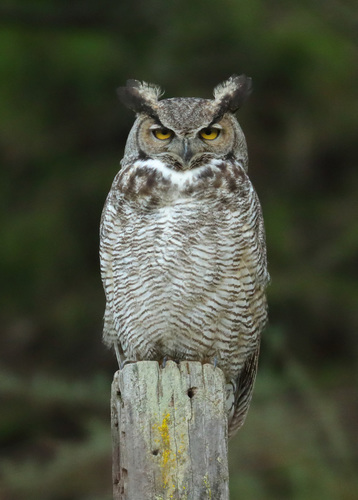
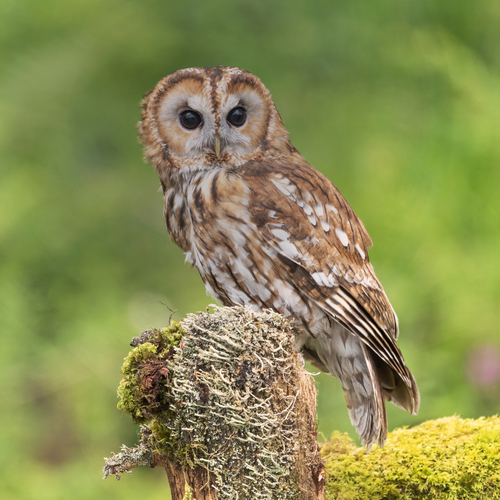
- Barn owl is smaller, with a heart-shaped face, dark eyes and golden-buff upperparts.
- Where to see it
- Boundary Bay, British Columbia and Amherst Island, Ontario in winter; tundra near Utqiaġvik, Alaska in summer
- When
- Tundra breeder; winter visitor further south Nov–Mar, with large irruptions in some years
Listen
Looking for field recordings…
Life & habits
- Diet
- Lemmings and voles; also hares, birds and fish
- Habitat
- Open tundra; winters on prairies, coasts and airfields
- Size
- 52–71 cm; wingspan 1.25–1.5 m
- Lifespan
- About 10 years in the wild
An adult can eat over 1,600 lemmings a year.
Where it lives
Recorded sightings
—
geo-referenced records in GBIF, from museums, herbaria and field observers.
Native range
Circumpolar Arctic; winters south into Canada, the northern USA, Europe and Asia
Drag the globe to turn it. Dots are where records exist, not a range map; darker means more records.
In the old herbals & bestiaries
Woodcuts and engravings matched from the Source Library’s scanned books by name. Plates marked “relative” show a close kin rather than this exact species. Click a plate to read the page it came from, with translation.


In the stacks
Searching the stacks…
Every page naming Bubo scandiacus in the Biodiversity Heritage Library →
Marginalia
Its image appears in Paleolithic art at the Trois-Frères cave in France, and it is the official bird of Quebec. Hedwig in the Harry Potter stories made it world-famous.
Curiosity
Adult males grow whiter with age, and some old males are almost pure white.
Kinship
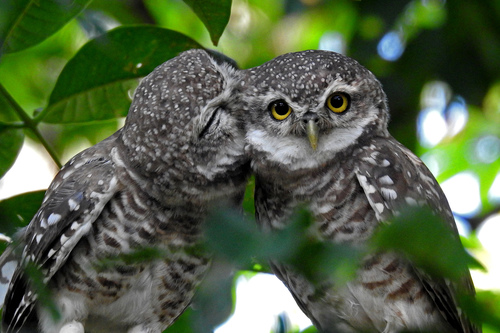
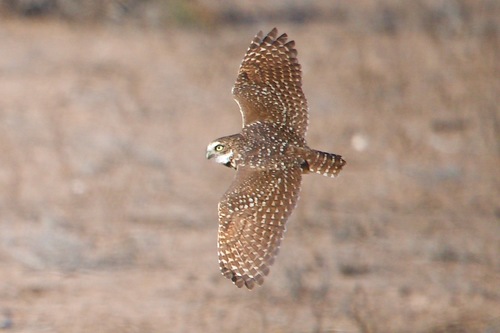
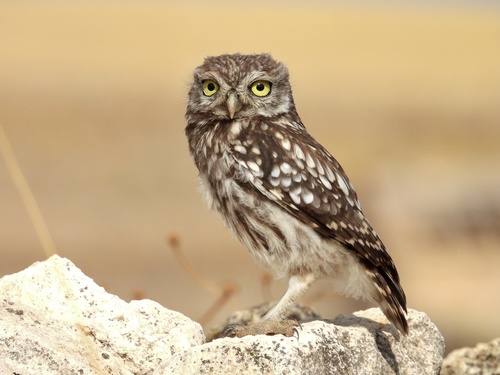
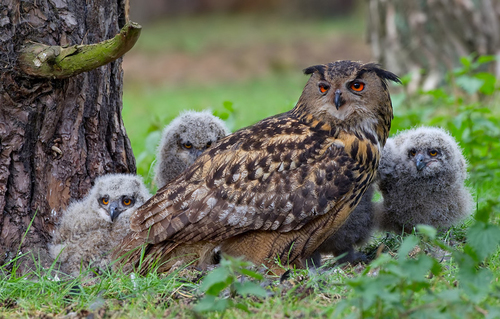
Photographs: iNaturalist contributors under the licences shown. Records: GBIF.org. Historical plates: Source Library (CC BY-SA 4.0; originals public domain). Summary text: Nature Library editors and Wikipedia (CC BY-SA). Medicinal and edibility notes are historical and educational, not advice. iNaturalist taxon 144594.