
Birds
Aves
Birds are vertebrate animals constituting the class Aves, characterised by feathers, toothless beaked jaws, the laying of hard-shelled eggs, a high metabolic rate, a four-chambered heart, and a strong yet lightweight skeleton. They are warm-blooded, live worldwide, and range in size from the 5.5 cm (2.2 in) bee hummingbird to the 2.8 m (9 ft 2 in) common ostrich. There are over 11,000 living species of birds, classified in 44 orders. More than half of the world's bird species are passerine or "perching" birds. Nearly all birds have wings whose development varies according to the life style of each species. Wings, which are modified forelimbs, gave birds the ability to fly, although further evolution has led to the loss of flight in some birds, including ratites, penguins, and diverse endemic island species. The only known groups without wings are the extinct moa and elephant birds. Birds are the only extant members of Dinosauria, and are a type of paravian theropods. The digestive and respiratory systems of birds are uniquely adapted for flight. Some bird species of aquatic environments, particularly seabirds and some waterbirds, have further evolved for swimming. The study of birds is called ornithology.
Birds evolved from earlier theropods, and thus constitute the only known living dinosaurs. Whilst traditional Linnaean taxonomy placed birds in their own class (owing to their unique morphology and being the only group of animals other than mammals where all its species are warm-blooded), birds are considered reptiles in the modern cladistic sense of the term.
47 branches of this class, most-observed first · about 11,009 known species
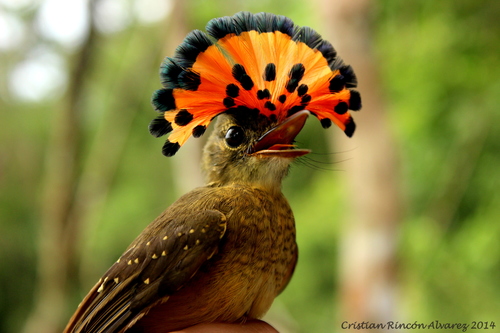
Perching Birds
orderPasseriformes

Waterfowl
orderAnseriformes
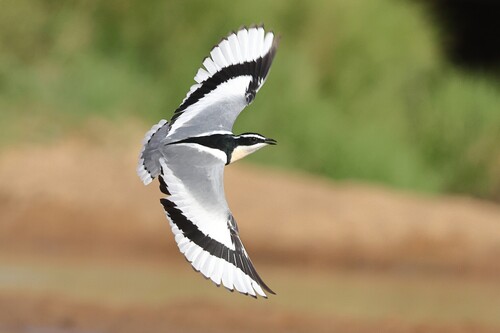
Shorebirds and Allies
orderCharadriiformes
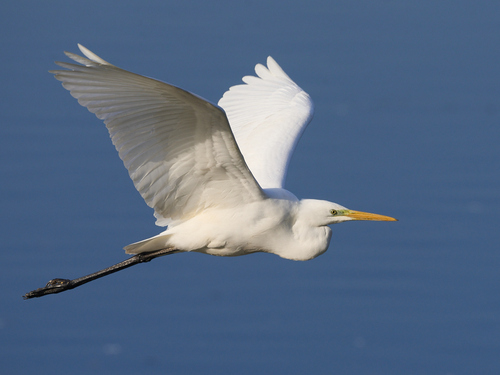
Pelicans, Herons, Ibises, and Allies
orderPelecaniformes
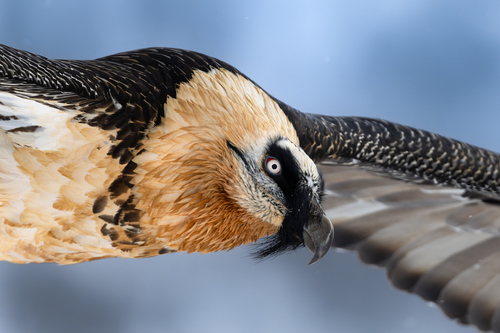
Hawks, Eagles, Kites, and Allies
orderAccipitriformes
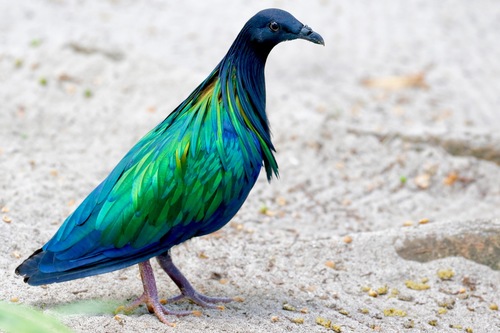
Pigeons and Doves
orderColumbiformes
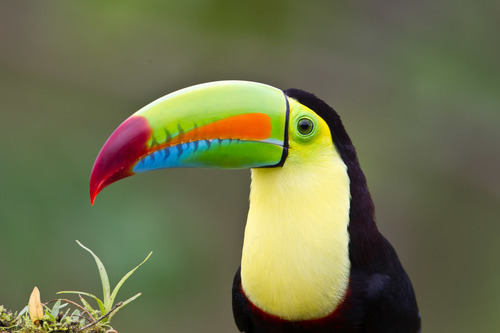
Woodpeckers and Allies
orderPiciformes

Cranes, Rails, and Allies
orderGruiformes

Gannets, Cormorants, and Allies
orderSuliformes
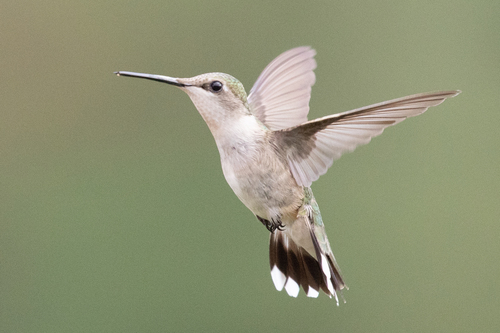
Swifts and Hummingbirds
orderApodiformes
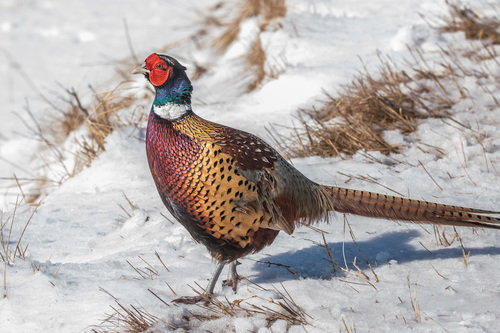
Landfowl
orderGalliformes
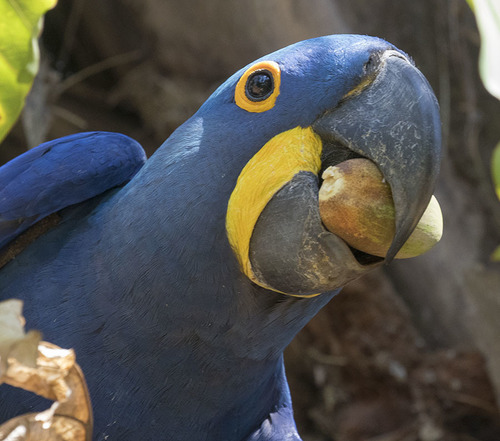
Parrots
orderPsittaciformes

Falcons and Caracaras
orderFalconiformes

Rollers, Kingfishers, and Allies
orderCoraciiformes

Owls
orderStrigiformes

Grebes
orderPodicipediformes

New World Vultures
orderCathartiformes

Cuckoos
orderCuculiformes

Storks
orderCiconiiformes

Tubenoses
orderProcellariiformes

Hornbills and Hoopoes
orderBucerotiformes
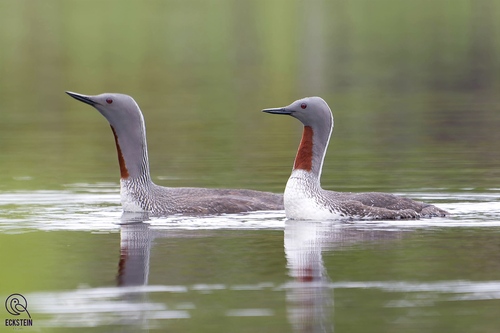
Loons
orderGaviiformes
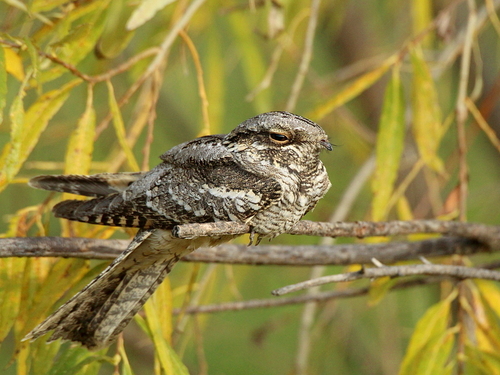
Nightjars and Allies
orderCaprimulgiformes

Flamingos
orderPhoenicopteriformes

Trogons and Quetzals
orderTrogoniformes

Penguins
orderSphenisciformes

Frogmouths
orderPodargiformes

Bustards
orderOtidiformes
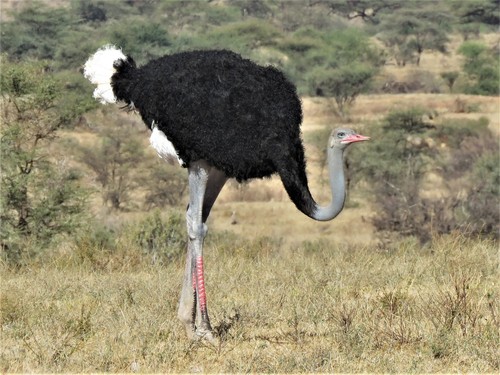
Ostriches
orderStruthioniformes
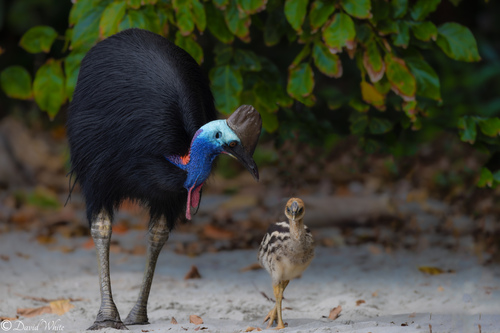
Cassowaries and Emus
orderCasuariiformes

Turacos
orderMusophagiformes
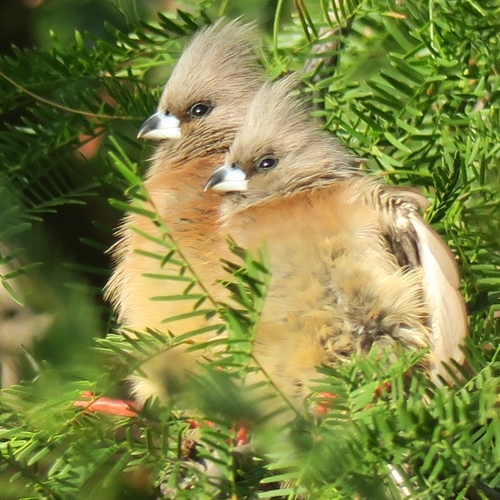
Mousebirds
orderColiiformes
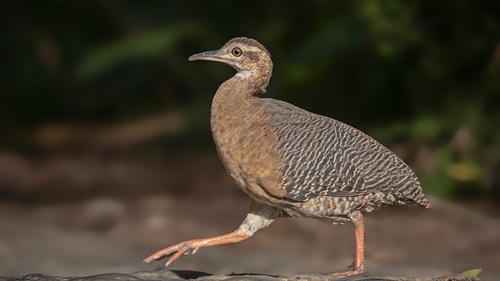
Tinamous
orderTinamiformes

Potoos
orderNyctibiiformes
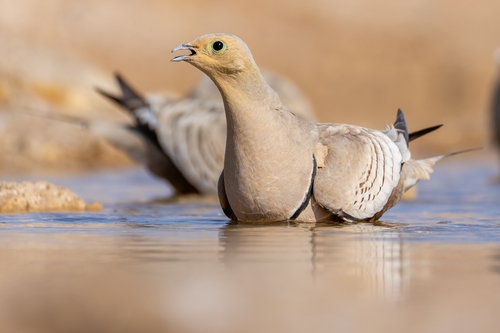
Sandgrouse
orderPterocliformes

Tropicbirds
orderPhaethontiformes

Rheas
orderRheiformes

Seriemas
orderCariamiformes

Hoatzins
orderOpisthocomiformes
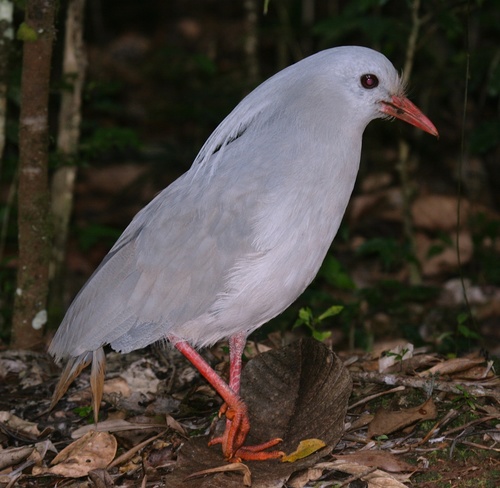
Kagu and Sunbittern
orderEurypygiformes
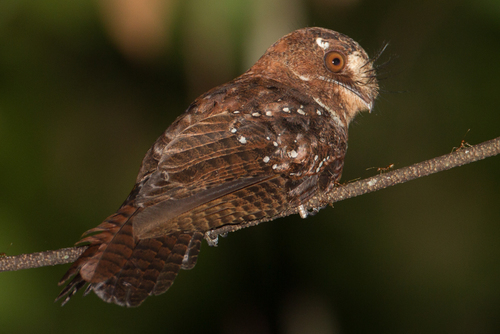
Owlet-nightjars
orderAegotheliformes
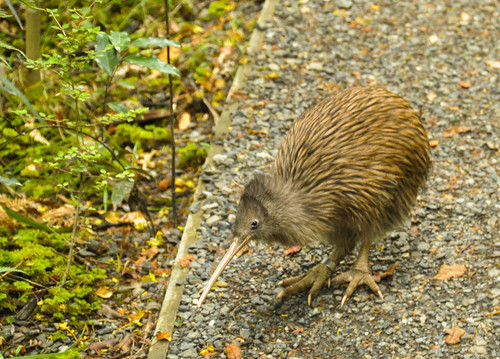
Kiwis
orderApterygiformes

Oilbirds
orderSteatornithiformes

Cuckoo-Rollers
orderLeptosomiformes

Mesites
orderMesitornithiformes

Moa
orderDinornithiformes
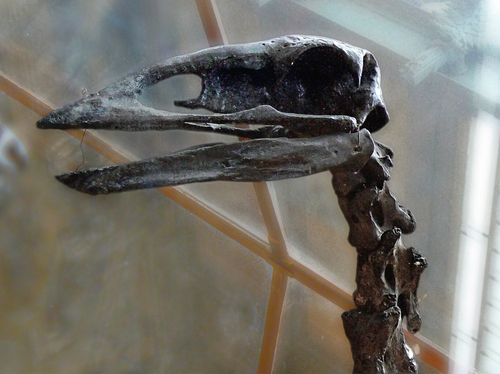
Elephant Birds
orderAepyornithiformes
Where it lives
Recorded sightings
—
geo-referenced records in GBIF, from museums, herbaria and field observers.
Drag the globe to turn it. Dots are where records exist, not a range map; darker means more records.
In the old herbals & bestiaries

Jan Moninckx; Maria Moninckx — Moninckx Atlas, vol. 2 (1686)
Jan Moninckx; Maria Moninckx · 1686 · p.40

Jan Moninckx; Maria Moninckx — Moninckx Atlas, vol. 2 (1686)
Jan Moninckx; Maria Moninckx · 1686 · p.29

Jan Moninckx; Maria Moninckx — Moninckx Atlas, vol. 5 (1686)
Jan Moninckx; Maria Moninckx · 1686 · p.27

Berthe Hoola van Nooten — Fleurs, fruits et feuillages choisis de la flore et de la pomone de Java (1863)
Berthe Hoola van Nooten · 1863 · p.131

Berthe Hoola van Nooten — Fleurs, fruits et feuillages choisis de la flore et de la pomone de Java (1863)
Berthe Hoola van Nooten · 1863 · p.155

Berthe Hoola van Nooten — Fleurs, fruits et feuillages choisis de la flore et de la pomone de Java (1863)
Berthe Hoola van Nooten · 1863 · p.167

Musurgia Universalis (Universal Music)
Athanasius Kircher · 1650 · p.65

Living Images of Plants
Otto Brunfels · 1532 · p.106

Living Images of Plants
Otto Brunfels · 1532 · p.90

Living Images of Plants
Otto Brunfels · 1532 · p.105

On the Names of Plants
Hieronymus Bock (Tragus) · 1552 · p.1150

Commentaries on the Six Books of Dioscorides on Medical Matter
Pietro Andrea Mattioli · 1563 · p.639
In the stacks
Searching the stacks…
Every page naming Aves in the Biodiversity Heritage Library →
This page is assembled live from iNaturalist, GBIF, Wikipedia, the Source Library and the Internet Archive. It is not yet part of the hand-edited codex. iNaturalist taxon 3.