 NL·0457
Herbarium of the Nature Library
- Name
- Carduelis carduelis
- Family
- Fringillidae
- Native to
- Europe, North Africa, the Middle East and Central Asia to western Siberia and the western Himalaya; introduced to Australia, New Zealand and South America
- Habitat
- Woodland, Farmland, Disturbed ground, Gardens and parks
On eBird ↗
European Goldfinch
Live sightings near you, the range map, bar charts of when it is seen, and Macaulay Library photos and recordings.
European goldfinch
Carduelis carduelis
Also calledHassoun (Arabic) · Saka (Turkish) · Stieglitz (German) · Chardonneret (French) · Jilguero (Spanish) · Cardellino (Italian)
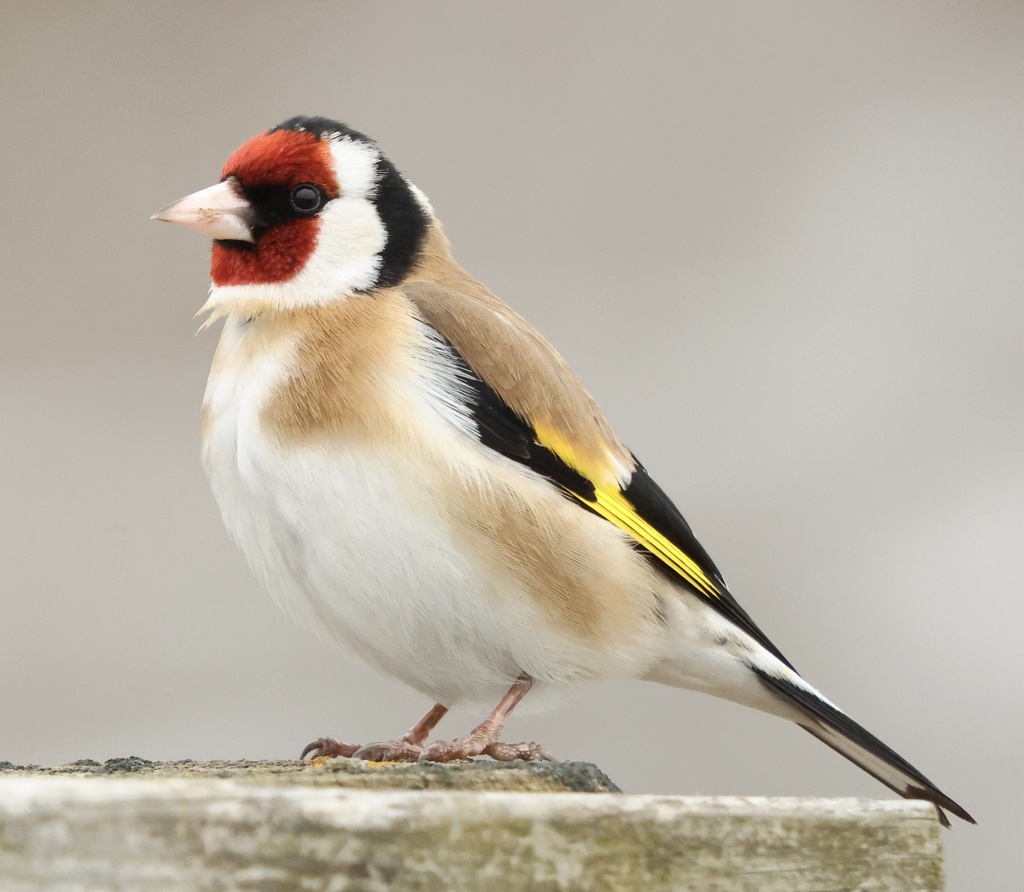
A brilliantly patterned finch with a red face, black-and-white head and broad gold wing bars, often seen in tinkling flocks on thistles. Its beauty and song made it one of the most trapped cage birds of the Mediterranean and Middle East.
The European goldfinch, or simply goldfinch, is a small passerine bird in the finch family that is native to the Palearctic zone in Europe, northern Africa, and western Asia. It has been introduced to other areas, including Australia, New Zealand, Uruguay and the United States. Wikipedia
What it can do
- iFine, pointed bill extracts seeds from thistles and teasels that other finches cannot reach
- iiMales' slightly longer bills let them feed more easily on teasel heads
- iiiLight enough to cling to swaying seedheads
- ivSome populations migrate to the Mediterranean for winter
In the field
Field marks
- aRed face mask surrounded by white and black
- bBroad yellow band across black wings
- cBuff-brown back, white rump, black tail with white spots
- dJuveniles lack the red face but show the gold wing bar
- Voice
- Song a fast, liquid, tinkling twitter; flight call a cheerful 'tickelitt'.
- Not to be confused with
- No adult European bird has the same face pattern. Juveniles have a plain grey-brown head but the same golden wing bar, which separates them from young serins and siskins.
- Where to see it
- Weedy field margins, orchards and gardens across Europe; abundant in Mediterranean and Anatolian farmland in winter.
- When
- Resident in much of its range; partial migrant from the north
Listen
Looking for field recordings…
Life & habits
- Diet
- Seeds of thistles, teasel, dandelion, groundsel and other plants; insects for young
- Habitat
- Open country with scattered trees, orchards, wasteland, gardens
- Size
- 12–13 cm; 14–19 g
- Lifespan
- Typically 2–3 years
Flocks, known as a 'charm', move together from one weedy patch to the next, constantly calling.
Where it lives
Recorded sightings
—
geo-referenced records in GBIF, from museums, herbaria and field observers.
Native range
Europe, North Africa, the Middle East and Central Asia to western Siberia and the western Himalaya; introduced to Australia, New Zealand and South America
Drag the globe to turn it. Dots are where records exist, not a range map; darker means more records.
In the old herbals & bestiaries
Woodcuts and engravings matched from the Source Library’s scanned books by name. Plates marked “relative” show a close kin rather than this exact species. Click a plate to read the page it came from, with translation.


In the stacks
Searching the stacks…
Every page naming Carduelis carduelis in the Biodiversity Heritage Library →
Marginalia
Renaissance painters such as Raphael ('Madonna of the Goldfinch', c. 1505) placed it in the Christ Child's hand as a symbol of the Passion, because it eats among thorns, and Carel Fabritius painted 'The Goldfinch' in 1654, the year he died.
Curiosity
In North Africa the hassoun is a prized competition singer, and trapping for the cage-bird trade has depleted wild populations there.
Kinship
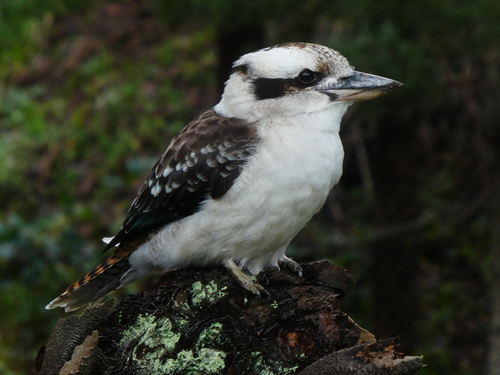
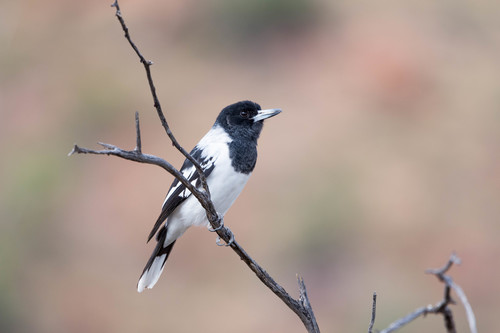
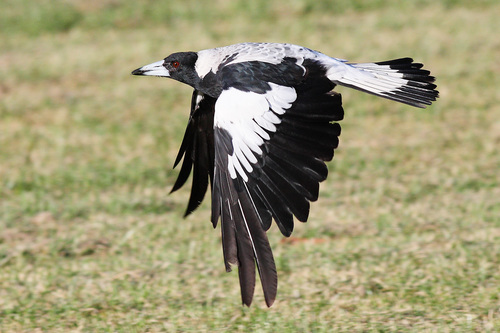
Photographs: iNaturalist contributors under the licences shown. Records: GBIF.org. Historical plates: Source Library (CC BY-SA 4.0; originals public domain). Summary text: Nature Library editors and Wikipedia (CC BY-SA). Medicinal and edibility notes are historical and educational, not advice. iNaturalist taxon 9398.