- Animals
- ›Chordates
- ›Vertebrates
- ›Birds
- ›Hawks, Eagles, Kites, and Allies
- ›Hawks, Eagles, and Kites
- ›Typical Old World Vultures
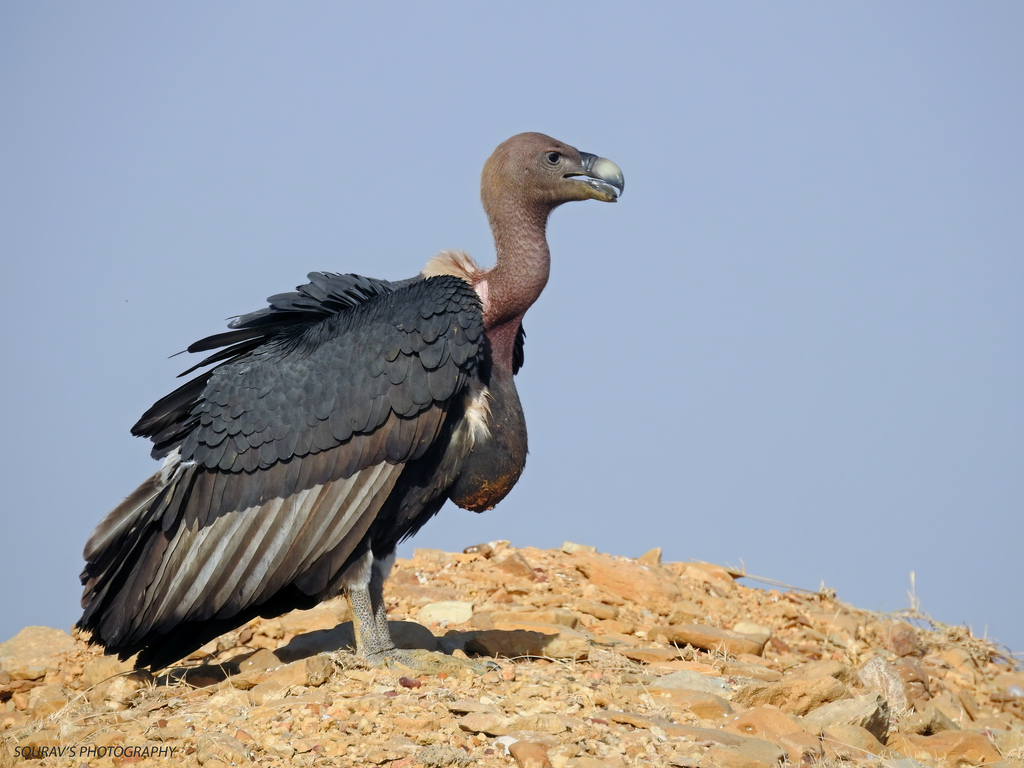
Griffon Vultures
Gyps
Gyps is a genus of Old World vultures that was proposed by Marie Jules César Savigny in 1809. Its members are sometimes known as griffon vultures. Gyps vultures have a slim head, a long slender neck with downy feathers, and a ruff around the neck formed by long buoyant feathers. The crown of their big beaks is a little compressed, and their big dark nostrils are set transverse to the beak. They have six or seven wing feathers, of which the first is the shortest and the fourth the longest.
12 branches of this genus, most-observed first · about 8 known species
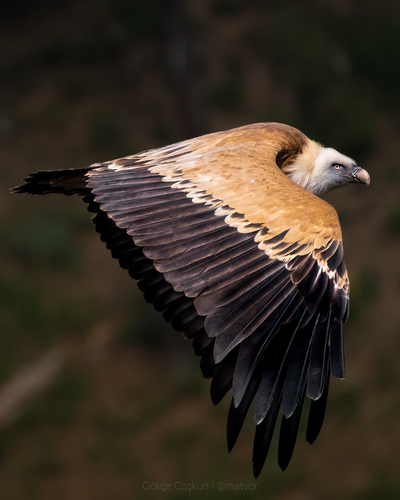
Eurasian Griffon
speciesGyps fulvus
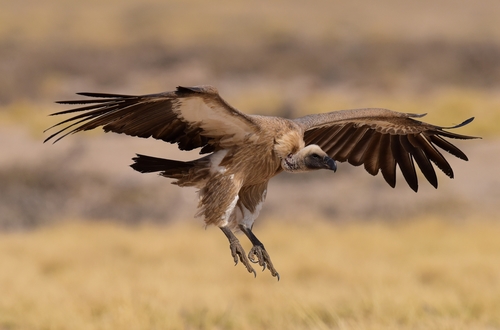
White-backed Vulture
speciesGyps africanus
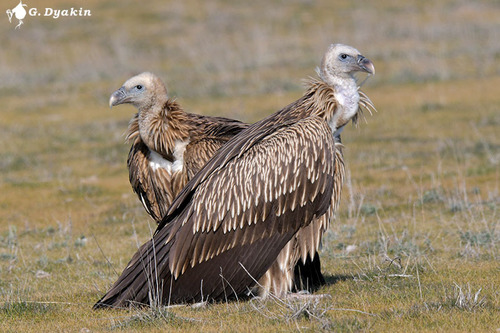
Himalayan Griffon
speciesGyps himalayensis

Rüppell's Griffon
speciesGyps rueppelli
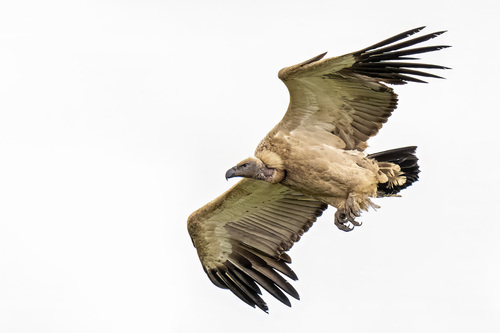
Cape Griffon
speciesGyps coprotheres
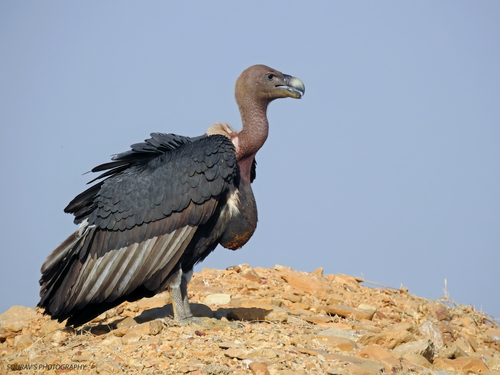
White-rumped Vulture
speciesGyps bengalensis
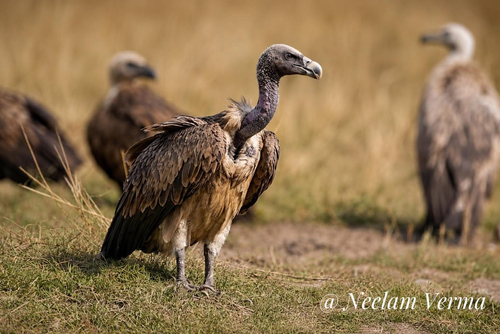
Indian Vulture
speciesGyps indicus
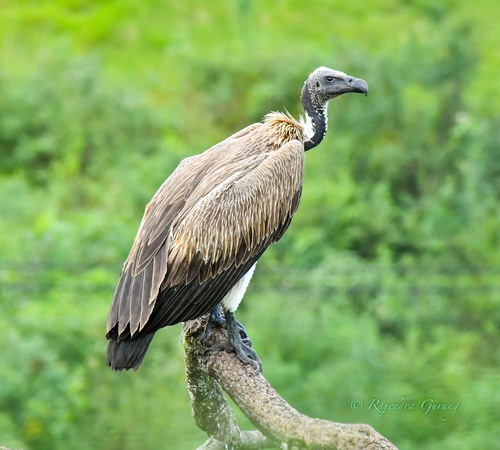
Slender-billed Vulture
speciesGyps tenuirostris
Gyps africanus × coprotheres
hybridGyps africanus × coprotheres
Gyps fulvus × rueppelli
hybridGyps fulvus × rueppelli
Gyps africanus × rueppelli
hybridGyps africanus × rueppelli
Gyps coprotheres × rueppelli
hybridGyps coprotheres × rueppelli
Where it lives
Recorded sightings
—
geo-referenced records in GBIF, from museums, herbaria and field observers.
Drag the globe to turn it. Dots are where records exist, not a range map; darker means more records.
In the stacks
Searching the stacks…
Every page naming Gyps in the Biodiversity Heritage Library →
This page is assembled live from iNaturalist, GBIF, Wikipedia, the Source Library and the Internet Archive. It is not yet part of the hand-edited codex. iNaturalist taxon 5362.