 NL·0448
Herbarium of the Nature Library
- Name
- Panthera onca
- Family
- Felidae
- Native to
- Mexico through Central America to northern Argentina; occasional wanderers into Arizona and New Mexico
- Habitat
- Tropical rainforest, Wetland, Dry forest, Mangrove
Jaguar
Panthera onca
Also calledYaguareté (Guaraní) · Onça-pintada (Portuguese) · Otorongo (Quechua) · Balam (Maya) · Ocelotl (Nahuatl, for jaguar) · Tigre (Latin American Spanish)
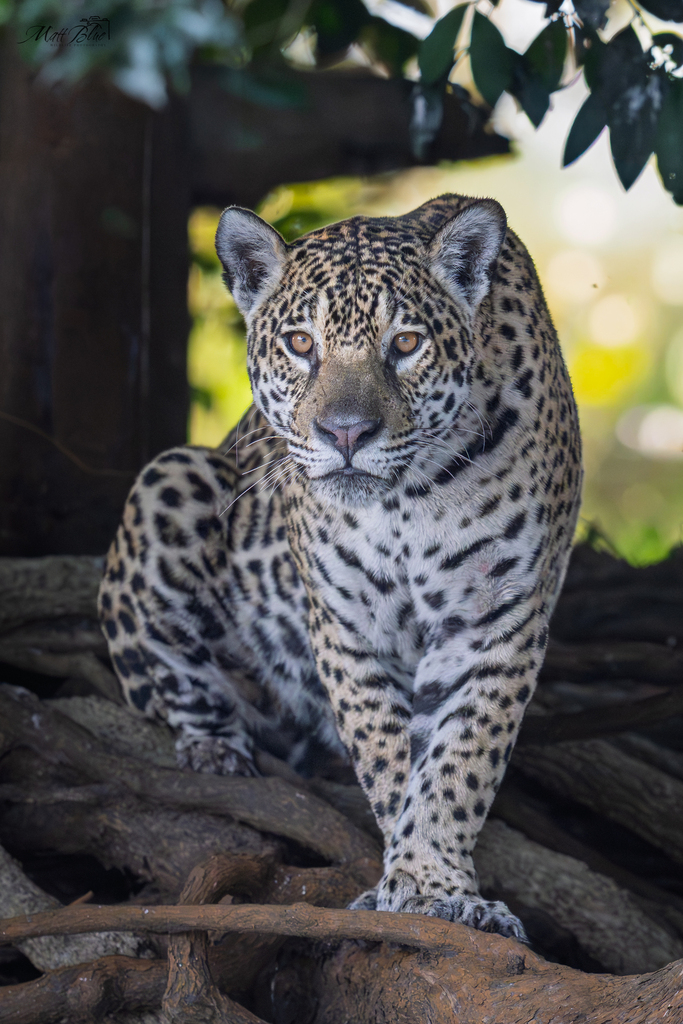
The largest cat of the Americas and the only living Panthera there, a powerfully built hunter of rivers and forests. Its bite is so strong for its size that it kills by piercing the skull or crushing turtle shells. The Brazilian Pantanal holds one of the densest jaguar populations anywhere.
The jaguar is a large cat species and the only living member of the genus Panthera that is native to the Americas. Its coat features pale yellow to tan colored fur covered with spots that transition to rosettes on the sides; some individuals have a melanistic spotted coat. With a body length of up to 1.85 m and a weight of up to 158 kg (348 lb), it is the biggest cat species in the Americas and the third largest in the world. The jaguar's powerful bite allows it to pierce the carapaces of turtles and tortoises, and to employ an unusual killing method: it bites directly through the skull of mammalian prey between the ears to deliver a fatal blow to the brain. Wikipedia
What it can do
- iBite pierces turtle and caiman skulls; it often kills by biting through the back of the skull
- iiExcellent swimmer that hunts caiman and fish in rivers
- iiiTop predator whose presence regulates capybara, peccary and caiman populations
In the field
Field marks
- aLarge, deep-chested cat with a broad head and short, thick legs
- bRosettes large and angular, often enclosing one or more black spots
- cTail relatively short compared with a leopard's
- dTracks: broad, round pugmarks 9–12 cm along riverbanks; signs include tree scratching and scrapes
- Voice
- A deep, hoarse series of grunts, often likened to sawing wood; also called 'roncar' in Brazil.
- Not to be confused with
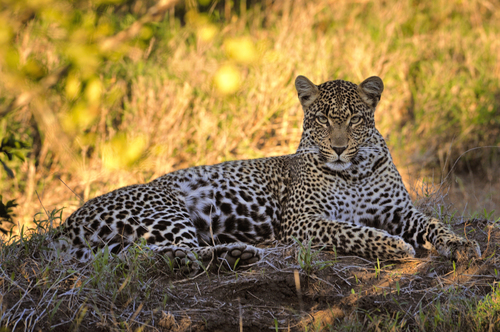
- Leopard (Old World only) is lighter-built with smaller rosettes without central spots. Ocelot is much smaller with chain-like stripes. Puma is plain tawny.
- Where to see it
- Porto Jofre and the Cuiabá, Piquiri and Three Brothers rivers (northern Pantanal, Brazil); Cockscomb Basin Wildlife Sanctuary (Belize); Iwokrama (Guyana); Calakmul (Mexico); Corcovado (Costa Rica)
- When
- Resident; Pantanal river sightings peak in the dry season, roughly July–October
Listen
Looking for field recordings…
Life & habits
- Diet
- Carnivore: capybara, peccaries, deer, caiman, turtles, armadillos, fish and livestock
- Habitat
- Dense forest, swamps and seasonally flooded wetlands, generally near water
- Size
- 56–96 kg typically; Pantanal males can exceed 120 kg; 1.6–2.7 m including tail
- Lifespan
- About 12–15 years in the wild
Solitary, mostly crepuscular, and hunts both by stalking on land and by ambush from riverbanks.
Where it lives
Recorded sightings
—
geo-referenced records in GBIF, from museums, herbaria and field observers.
Native range
Mexico through Central America to northern Argentina; occasional wanderers into Arizona and New Mexico
Drag the globe to turn it. Dots are where records exist, not a range map; darker means more records.
In the old herbals & bestiaries
Woodcuts and engravings matched from the Source Library’s scanned books by name. Plates marked “relative” show a close kin rather than this exact species. Click a plate to read the page it came from, with translation.


In the stacks
Searching the stacks…
Every page naming Panthera onca in the Biodiversity Heritage Library →
Marginalia
The Olmec carved were-jaguar figures over 3,000 years ago, and Maya kings took jaguar names such as Yaxuun Bahlam (Bird Jaguar). Aztec elite warriors were the 'jaguar knights' (ocelomeh).
Curiosity
Belize's Cockscomb Basin, made a no-hunting forest reserve in 1984 and a wildlife sanctuary in 1986, is widely credited as the world's first protected area set aside for jaguars.
Kinship
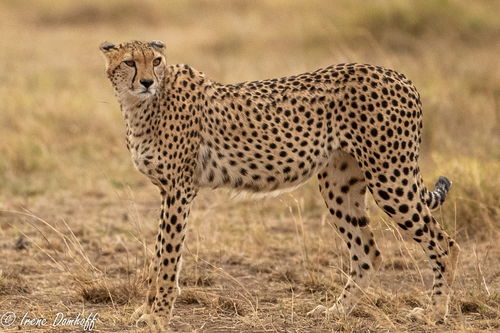
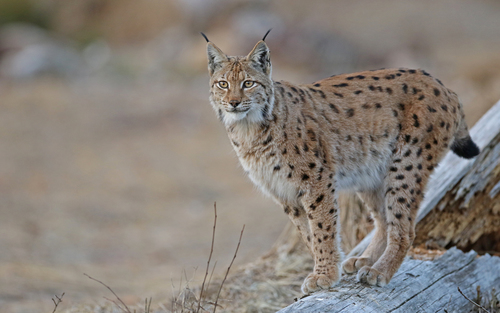
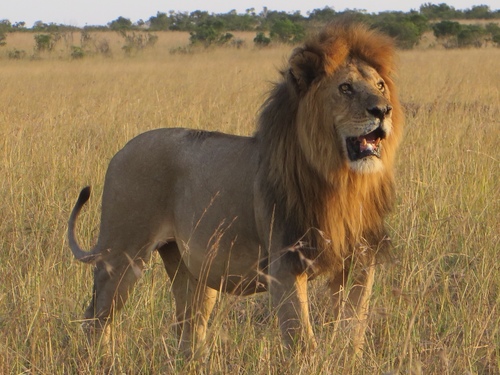
Fact-checked: 1 correction made to this sheet. Photographs: iNaturalist contributors under the licences shown. Records: GBIF.org. Historical plates: Source Library (CC BY-SA 4.0; originals public domain). Summary text: Nature Library editors and Wikipedia (CC BY-SA). Medicinal and edibility notes are historical and educational, not advice. iNaturalist taxon 41970.