 NL·0451
Herbarium of the Nature Library
- Name
- Panthera uncia
- Family
- Felidae
- Native to
- Himalaya, Karakoram, Hindu Kush, Pamir, Tian Shan, Altai and Tibetan Plateau
- Habitat
- Alpine, Montane steppe, Rocky cliffs
Snow leopard
Panthera uncia
Also calledIrbis (Mongolian/Kazakh) · Shan (Ladakhi) · Barfānī chītā (Hindi/Urdu) · Xuěbào 雪豹 (Chinese) · Sa (Tibetan)
A smoky-grey cat of the high mountains of Central and South Asia, so rarely seen that it is called the 'ghost of the mountains'. Its long, thick tail works as a balance pole on cliffs and a scarf when it sleeps.
The snow leopard is a felid species in the genus Panthera. It has a thick whitish to grey fur with black spots on the head and neck, with larger rosettes on the back, flanks and bushy tail. Males are larger than the females, and both sexes have long canine teeth. Its small rounded ears, broad paws, and thick tails are adaptations for living in cold, mountainous environments. Wikipedia
What it can do
- iLives and hunts at 3,000–5,500 m, where the air holds about half the oxygen of sea level
- iiLeaps across ravines and down cliffs several times its own body length
- iiiLarge, fur-soled paws act as snowshoes
- ivTakes down blue sheep and ibex up to three times its own weight on steep slopes
In the field
Field marks
- aSmoky-grey to cream fur with dark open rosettes
- bVery long, thick, furry tail
- cShort muzzle and pale green or grey eyes
- dLarge, fur-padded paws
- Voice
- Cannot roar; makes yowls, moans and a puffing 'chuff'
- Not to be confused with
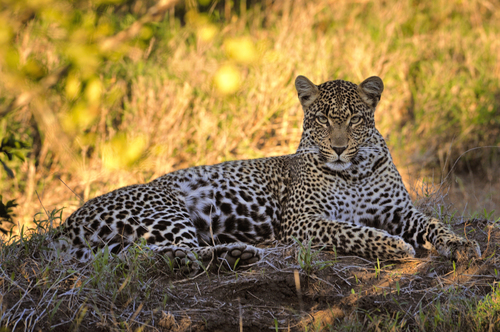
- Common leopard is golden with denser rosettes and a shorter, thinner tail, and lives mostly at lower elevations.
- Where to see it
- Hemis National Park (Ladakh) and the Spiti Valley around Kibber, India, with local trackers
- When
- Resident; winter (Jan–Mar) brings cats lower and is the usual tracking season
Listen
Looking for field recordings…
Life & habits
- Diet
- Carnivore: blue sheep (bharal), Siberian ibex, argali, marmots, pikas; sometimes livestock
- Habitat
- Steep, broken alpine terrain and cliffs above the treeline
- Size
- 22–55 kg; body 0.9–1.3 m with a tail 0.8–1 m
- Lifespan
- 10–12 years in the wild; to ~20 in captivity
Unlike other big cats it cannot roar; it chuffs, mews and wails instead. It wraps its tail over its nose and face for warmth while sleeping.
Where it lives
Recorded sightings
—
geo-referenced records in GBIF, from museums, herbaria and field observers.
Native range
Himalaya, Karakoram, Hindu Kush, Pamir, Tian Shan, Altai and Tibetan Plateau
Drag the globe to turn it. Dots are where records exist, not a range map; darker means more records.
In the old herbals & bestiaries
No plate in the Source Library names this exact species, so these show its closest relatives as the old naturalists drew them: same genus, or the same kind of animal. Click a plate to read the page it came from, with translation.

Collected Illustrations of the Three Powers (Sancai Tuhui), Vol. 63
Relative · 王圻, 王思義 · 1609 · p.60

Introductory Book
Relative · Michael Scot · 1350 · p.137

Garden of Health
Relative · Jacob Meydenbach · 1491 · p.615

Ortus sanitatis
Relative · 1491 · p.561

Garden of Health
Relative · Jacob Meydenbach · 1491 · p.559

Garden of Health
Relative · 1507 · p.457

Garden of Health
Relative · 1507 · p.470

The Hieroglyphics
Relative · Horapollo · 1551 · p.221

Cosmographey: das ist Beschreibung aller Laender
Relative · Münster, Sebastian · 1598 · p.1500

Cosmographey: das ist Beschreibung aller Laender
Relative · Münster, Sebastian · 1598 · p.1593
In the stacks
Searching the stacks…
Every page naming Panthera uncia in the Biodiversity Heritage Library →
Marginalia
The winged snow leopard Aq Bars appears on the coat of arms of Tatarstan, and the snow leopard is an emblem of Almaty and of Kyrgyzstan. Peter Matthiessen's 1978 book The Snow Leopard made the cat a Western symbol of the unseen.
Curiosity
Its tail can be nearly as long as its body, the longest relative to body size of any big cat.
Kinship
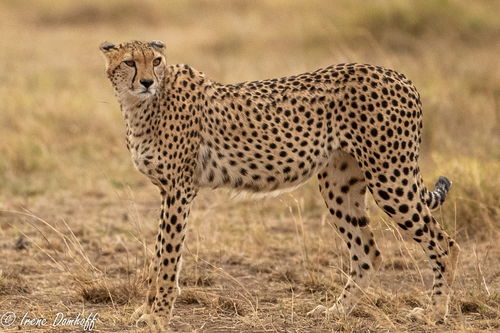
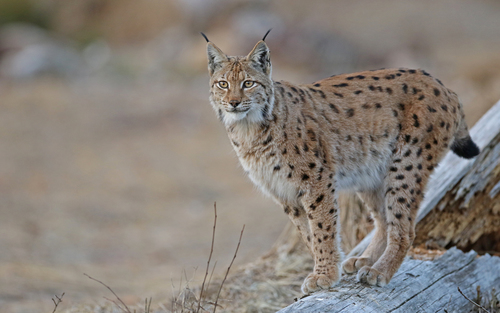
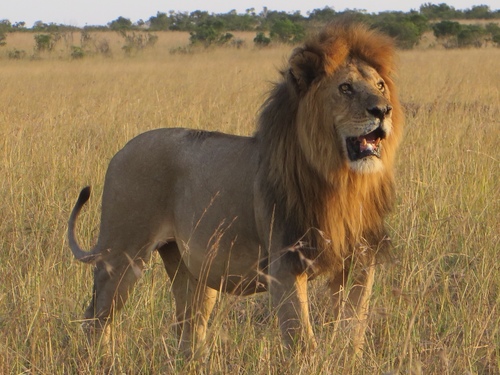
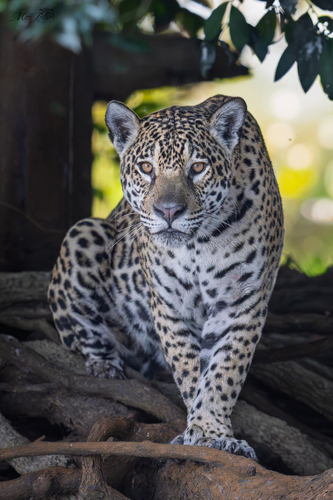
Photographs: iNaturalist contributors under the licences shown. Records: GBIF.org. Historical plates: Source Library (CC BY-SA 4.0; originals public domain). Summary text: Nature Library editors and Wikipedia (CC BY-SA). Medicinal and edibility notes are historical and educational, not advice. iNaturalist taxon 74831.