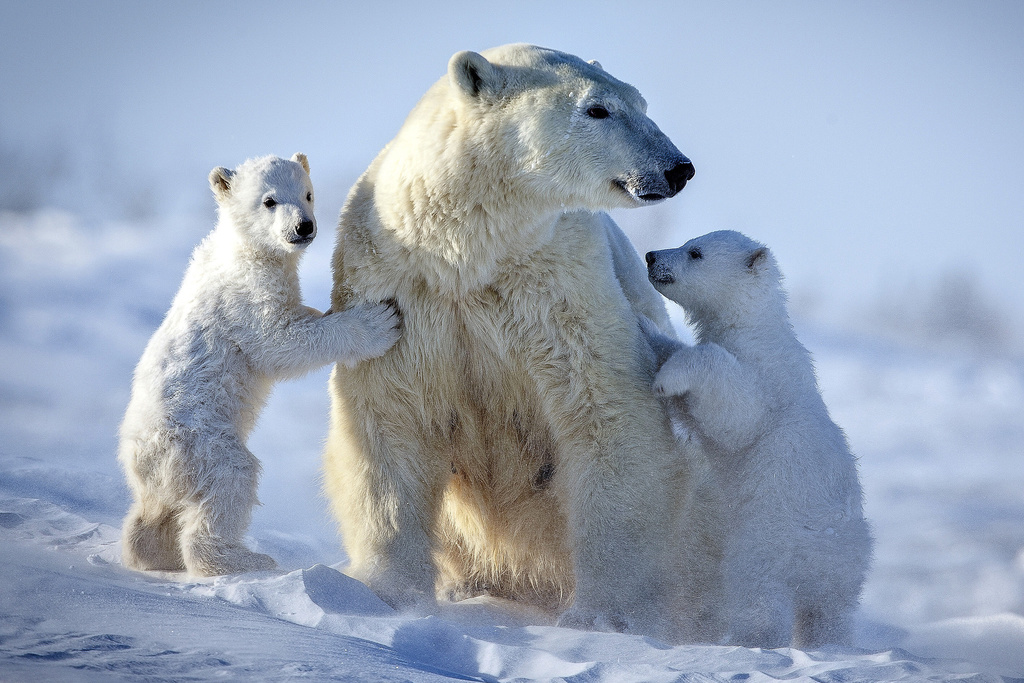
Carnivorans
Carnivora
Carnivora ( kar-NIV-ər-ə) is an order of placental mammals specialised primarily in eating flesh, whose members are formally referred to as carnivorans. The order Carnivora is the sixth largest order of mammals, comprising at least 293 species. Carnivorans are found on every major landmass and in a variety of habitats, ranging from the cold polar regions of Earth to the hyper-arid region of the Sahara Desert and the open seas. Carnivorans exhibit a wide array of body plans, varying greatly in size and shape.
Carnivora are divided into two suborders, the Feliformia, containing the true felids and several "cat-like" animals; and the Caniformia, containing the true canids and many "dog-like" animals. The feliforms include the Felidae, Viverridae, hyena, and mongoose families, the majority of which live only in the Old World; cats are the only exception, occurring in the Old World and the New World, entering the Americas via the Bering land bridge. The caniforms include the Caninae, Procyonidae, bears, mustelids, skunks, and pinnipeds that occur worldwide with immense diversity in their morphology, diet, and behaviour.
14 branches of this order, most-observed first · about 313 known species

Canids
familyCanidae

Felids
familyFelidae

Raccoons, Coatis, and Allies
familyProcyonidae

Pinnipeds
superfamilyPhocoidea
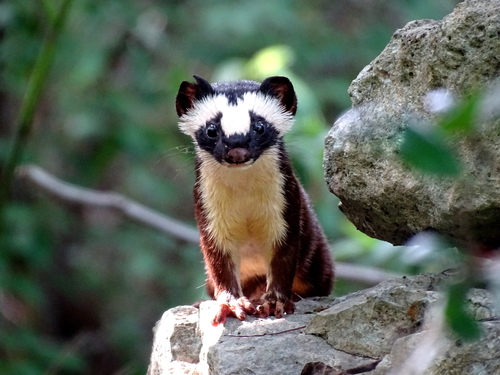
Mustelids
familyMustelidae

Bears
familyUrsidae
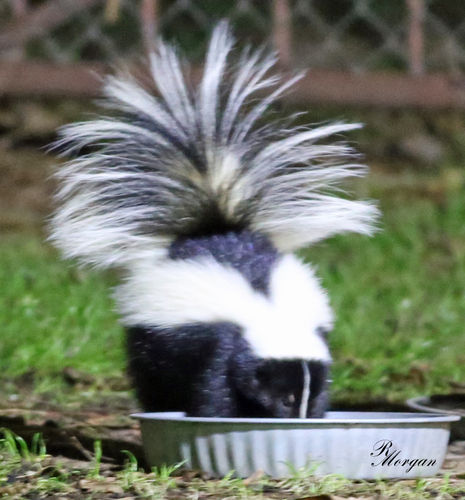
Skunks and Stink-badgers
familyMephitidae

Mongooses
familyHerpestidae
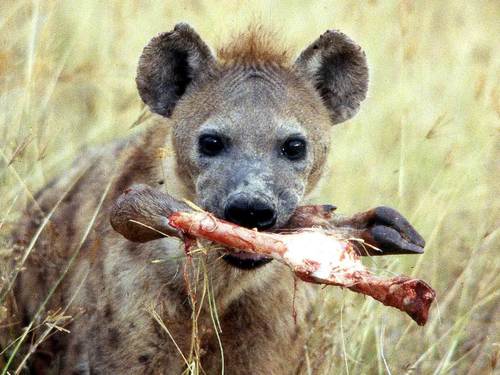
Hyaenas
familyHyaenidae
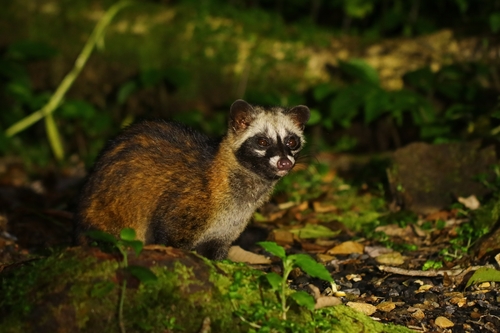
Civets, Genets, and Oyans
familyViverridae

Red Pandas
familyAiluridae
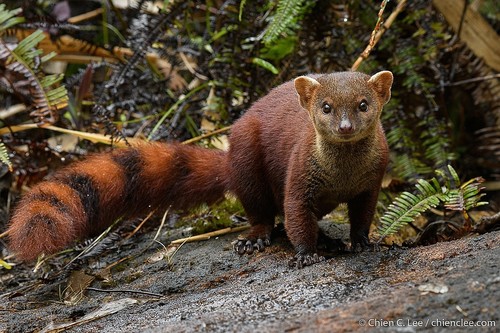
Euplerids
familyEupleridae

African Palm-civets
familyNandiniidae
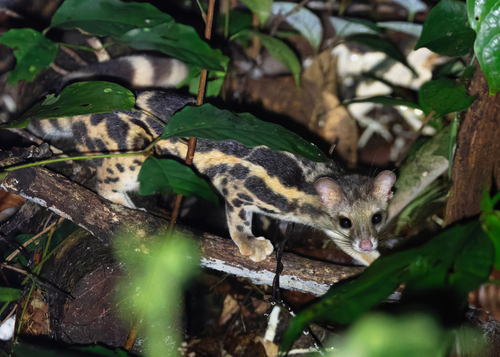
Linsangs
familyPrionodontidae
Where it lives
Recorded sightings
—
geo-referenced records in GBIF, from museums, herbaria and field observers.
Drag the globe to turn it. Dots are where records exist, not a range map; darker means more records.
In the stacks
Searching the stacks…
Every page naming Carnivora in the Biodiversity Heritage Library →
This page is assembled live from iNaturalist, GBIF, Wikipedia, the Source Library and the Internet Archive. It is not yet part of the hand-edited codex. iNaturalist taxon 41573.