 NL·0450
Herbarium of the Nature Library
- Name
- Panthera tigris
- Family
- Felidae
- Native to
- India, Nepal, Bhutan, Bangladesh, Southeast Asia, Sumatra, Russian Far East and NE China
- Habitat
- Tropical forest, Mangrove, Temperate forest, Tall grassland
Tiger
Panthera tigris
Also calledBāgh (Hindi/Bengali) · Puli (Tamil) · Hǔ 虎 (Chinese) · Harimau (Malay) · Tora (Japanese) · Horangi (Korean) · Babr (Persian)
The largest wild cat, a solitary ambush hunter whose stripes break up its outline in tall grass and forest shade. Fewer than 6,000 remain in the wild, scattered from the Russian Far East to Sumatra.
The tiger is a large cat and a member of the genus Panthera native to Asia. It has a powerful, muscular body with a large head and paws, a long tail and orange fur that fades to white in parts, with black, mostly vertical stripes. It is traditionally classified into nine subspecies, though some recognise only two subspecies, the mainland Asian tiger and the Sunda Islands tiger. Wikipedia
What it can do
- iKills prey several times its own weight, such as gaur and sambar, with a throat or nape bite
- iiSwims strongly and readily hunts in water, as in the Sundarbans mangroves
- iiiRoars that can carry about 3 km through forest
- ivMarks territories with scent sprays and scrapes that tell rivals its sex and status
In the field
Field marks
- aLargest cat, orange with black vertical stripes
- bWhite underparts and white spots on the backs of the ears
- cStripe pattern unique to each animal
- dLong, ringed tail
- Voice
- A deep roar; a soft, snorting 'chuff' (prusten) as a friendly greeting
- Not to be confused with
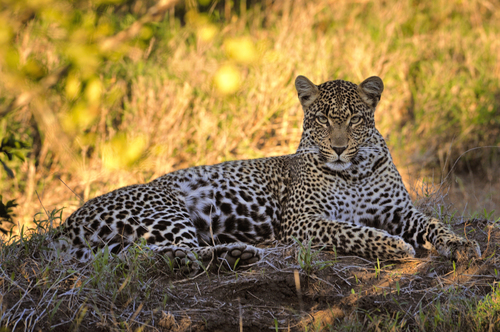
- Leopards have rosettes, not stripes. Never approach on foot; watch from a vehicle, boat or hide, or with a licensed guide.
- Where to see it
- Ranthambore, Bandhavgarh, Kanha and Tadoba (India); Chitwan (Nepal) — all by guided safari vehicle
- When
- Resident; Indian parks are usually open about Oct–Jun, with sightings easiest in the hot months Apr–Jun at waterholes
Listen
Looking for field recordings…
Life & habits
- Diet
- Carnivore: deer, wild pigs, gaur, buffalo; occasionally fish and smaller prey
- Habitat
- Forests, mangroves and grasslands with dense cover and water
- Size
- Males 180–300 kg and up to ~3 m including tail; females smaller
- Lifespan
- 10–15 years in the wild; to ~20 in captivity
Hunts alone by stalking to within a few metres before a short explosive rush. Each tiger's stripe pattern is unique.
Where it lives
Recorded sightings
—
geo-referenced records in GBIF, from museums, herbaria and field observers.
Native range
India, Nepal, Bhutan, Bangladesh, Southeast Asia, Sumatra, Russian Far East and NE China
Drag the globe to turn it. Dots are where records exist, not a range map; darker means more records.
In the old herbals & bestiaries
Woodcuts and engravings matched from the Source Library’s scanned books by name. Plates marked “relative” show a close kin rather than this exact species. Click a plate to read the page it came from, with translation.

The Tudor Pattern Book (Herbal-Bestiary)
Anonymous · 1525 · p.88

Cosmographey: das ist Beschreibung aller Laender
Münster, Sebastian · 1598 · p.1501

Valeriano: Hieroglyphica (1575)
Pierio Valeriano · 1556 · p.179

Sancai Tuhui (Vol. 92)
王圻, 王思義 · 1609 · p.11

Sancai Tuhui, Juan 92 — Birds & Beasts (NCL Original)
王圻、王思義 · 1609 · p.54

Treasury of Medical Matters of New Spain
Francisco Hernández · 1651 · p.547

The Embassy of the Dutch East India Company to the Tartar Cham
Johan Nieuhof · 1665 · p.454

Ortus sanitatis
1491 · p.594

Collected Illustrations of the Three Realms: Ceremonial Regulations
王圻, 王思義 · 1609 · p.32

Compendium of Materia Medica: Illustrated Volume, Middle of the Lower Part
李時珍 · 1596 · p.100
In the stacks
Searching the stacks…
Every page naming Panthera tigris in the Biodiversity Heritage Library →
Marginalia
The Hindu goddess Durga rides a tiger into battle against the demon Mahishasura. In Chinese cosmology the White Tiger (Bai Hu) guards the West, and the tiger is the third animal of the zodiac.
Curiosity
The stripes are in the skin as well as the fur: a shaved tiger is still striped.
Kinship
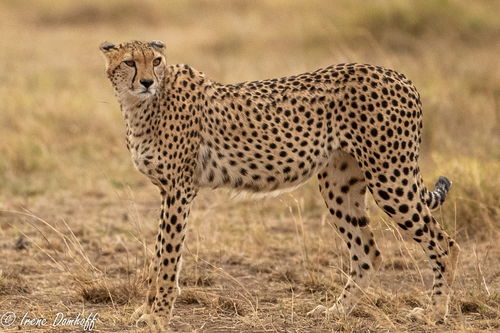
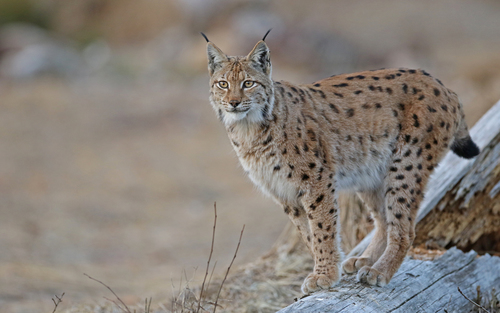
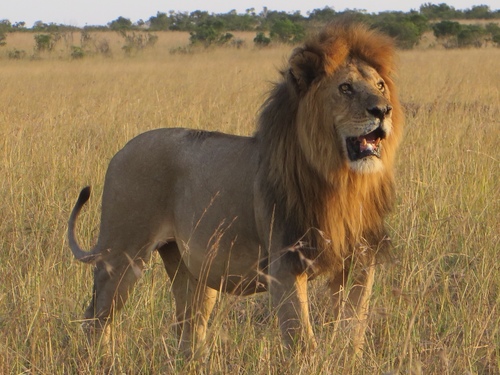
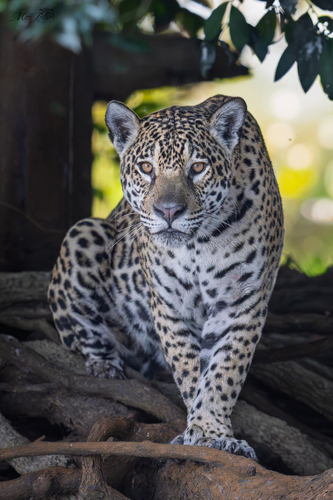
Photographs: iNaturalist contributors under the licences shown. Records: GBIF.org. Historical plates: Source Library (CC BY-SA 4.0; originals public domain). Summary text: Nature Library editors and Wikipedia (CC BY-SA). Medicinal and edibility notes are historical and educational, not advice. iNaturalist taxon 41967.