 NL·0447
Herbarium of the Nature Library
- Name
- Panthera leo
- Family
- Felidae
- Native to
- Sub-Saharan Africa; in Asia only the Saurashtra peninsula of Gujarat, India (Gir National Park and surrounding districts)
- Habitat
- Savanna, Dry grassland, Dry deciduous forest, Scrub
Lion
Panthera leo
Also calledSher (Urdu/Hindi) · Sinh (Gujarati) · Siṃha (Sanskrit) · Simba (Swahili) · Asad (Arabic) · Shir (Persian) · Ngonyama (Zulu) · León (Spanish) · Leão (Portuguese)
The only truly social cat, living in prides of related females with one or a few resident males. Lions once ranged from southern Europe and the Middle East to India and across Africa; today they survive in sub-Saharan Africa and one small Asian outpost, the Gir forest and surrounding lands of Gujarat, India. Asiatic lions (Panthera leo leo, in the current northern subspecies) grew from a few dozen around 1900 to 891 counted in Gujarat's 2025 census.
The lion is a large cat of the genus Panthera, currently ranging only in Sub-Saharan Africa and India. It has a muscular, broad-chested body; a short, rounded head; round ears; and a dark, hairy tuft at the tip of its tail. It is sexually dimorphic; adult male lions are larger than females and have a prominent mane that extends from the head to the shoulders and chest. Wikipedia
What it can do
- iCooperative hunters: lionesses fan out and ambush to bring down buffalo, zebra and even young elephants
- iiRoar audible to people up to about 8 km away, used to advertise territory
- iiiCan eat over 30 kg of meat in a single sitting, then rest for most of a day
- ivAs apex predators they shape the behaviour and numbers of large grazers
In the field
Field marks
- aSilhouette: large, plain tawny cat with a tufted black tail-tip — the only cat with a tail tuft
- bAdult males with a mane; Asiatic males' manes are usually shorter, showing the ears
- cAsiatic lions typically have a longitudinal fold of skin along the belly, rare in African lions
- dTracks: round prints about 11–14 cm across, four toes, no claw marks, a three-lobed rear edge to the heel pad
- Voice
- A deep, rolling series of moaning roars that fade into grunts, given most at dusk and before dawn, often by several pride members together.
- Not to be confused with
- Female lions can be confused with pumas in zoos or photos, but the two never overlap in the wild; lionesses are much larger and have the tail tuft. Leopards are spotted with rosettes.
- Where to see it
- Gir National Park and Devalia Safari Park, Gujarat; Serengeti and Ngorongoro (Tanzania); Maasai Mara (Kenya); Okavango Delta (Botswana); Kruger (South Africa)
- When
- Resident year-round; Gir is closed to safaris 16 June–15 October for the monsoon, and dry seasons give the best sightings in Africa
Listen
Looking for field recordings…
Life & habits
- Diet
- Carnivore: wildebeest, zebra, buffalo, antelope in Africa; in Gir mainly chital, sambar, nilgai, wild boar and livestock
- Habitat
- Open savanna, grassland, dry woodland and scrub with water; in Gir, dry teak forest, scrub and farmland
- Size
- Males 150–250 kg, about 2.5–3.3 m including tail; females 110–180 kg
- Lifespan
- Females about 15–18 years, males often 10–12 in the wild
Prides defend territories for generations; incoming males often kill young cubs to bring females back into breeding. In Gir, prides are smaller and males and females usually associate only to mate or share large kills.
Where it lives
Recorded sightings
—
geo-referenced records in GBIF, from museums, herbaria and field observers.
Native range
Sub-Saharan Africa; in Asia only the Saurashtra peninsula of Gujarat, India (Gir National Park and surrounding districts)
Drag the globe to turn it. Dots are where records exist, not a range map; darker means more records.
In the old herbals & bestiaries
Woodcuts and engravings matched from the Source Library’s scanned books by name. Plates marked “relative” show a close kin rather than this exact species. Click a plate to read the page it came from, with translation.

Houghton Library. MS Typ 150. Fiore di virtu.
1450 · p.13

Theater of Earthly Creatures
Anonymous · 1672 · p.208

History of Monsters
Ulisse Aldrovandi · 1642 · p.350

Garden of Health (Hortus Sanitatis)
Jacob Meydenbach · 1491 · p.493

The New Marriage and the Passion of Jesus
Johannes de Hildesheim · 1476 · p.46

ʻAjāʼib al-makhlūqāt (MS Nn.3.74)
Zakariya al-Qazwini · 1500 · p.427

Margarita philosophica
Reisch, Gregorius · 1504 · p.465

The Tudor Pattern Book (Herbal-Bestiary)
Anonymous · 1525 · p.85

Florentine Codex, Vol. 3 (Books 10-12)
Bernardino de Sahagún · 1577 · p.334

Etymologies
Isidorus Hispalensis · 1493 · p.95
In the stacks
Searching the stacks…
Every page naming Panthera leo in the Biodiversity Heritage Library →
Marginalia
The lion capital of Ashoka at Sarnath, four lions back to back, is the national emblem of India. The Nawab of Junagadh protected Gir's last lions in the early 1900s, saving the Asian population from extinction.
Curiosity
In 2025 about 57% of Gujarat's lions were counted outside Gir's protected core, living among farms and coastal villages.
Kinship
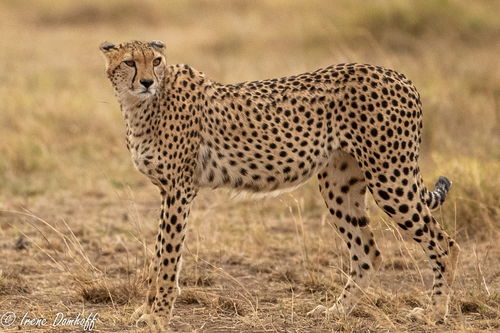
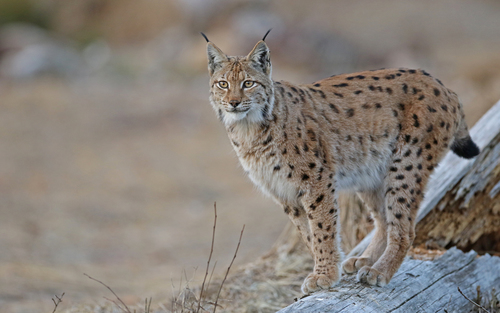
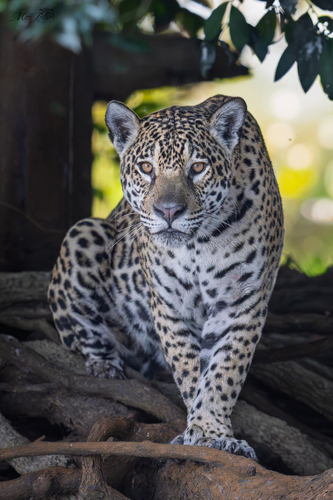
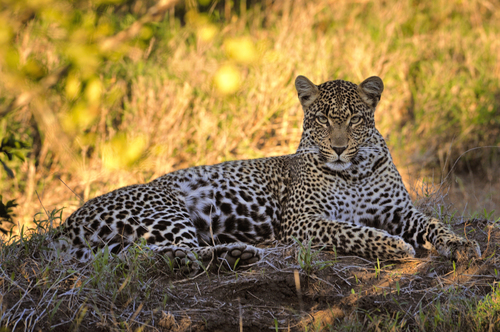
Photographs: iNaturalist contributors under the licences shown. Records: GBIF.org. Historical plates: Source Library (CC BY-SA 4.0; originals public domain). Summary text: Nature Library editors and Wikipedia (CC BY-SA). Medicinal and edibility notes are historical and educational, not advice. iNaturalist taxon 41964.