 NL·0554
Herbarium of the Nature Library
- Name
- Cinnyris asiaticus
- Family
- Nectariniidae
- Native to
- The Persian Gulf, Oman and Iran through Afghanistan, Pakistan, India, Nepal, Bangladesh and Sri Lanka to Myanmar and Indochina
- Habitat
- Urban, Scrub, Open woodland, Farmland
On eBird ↗
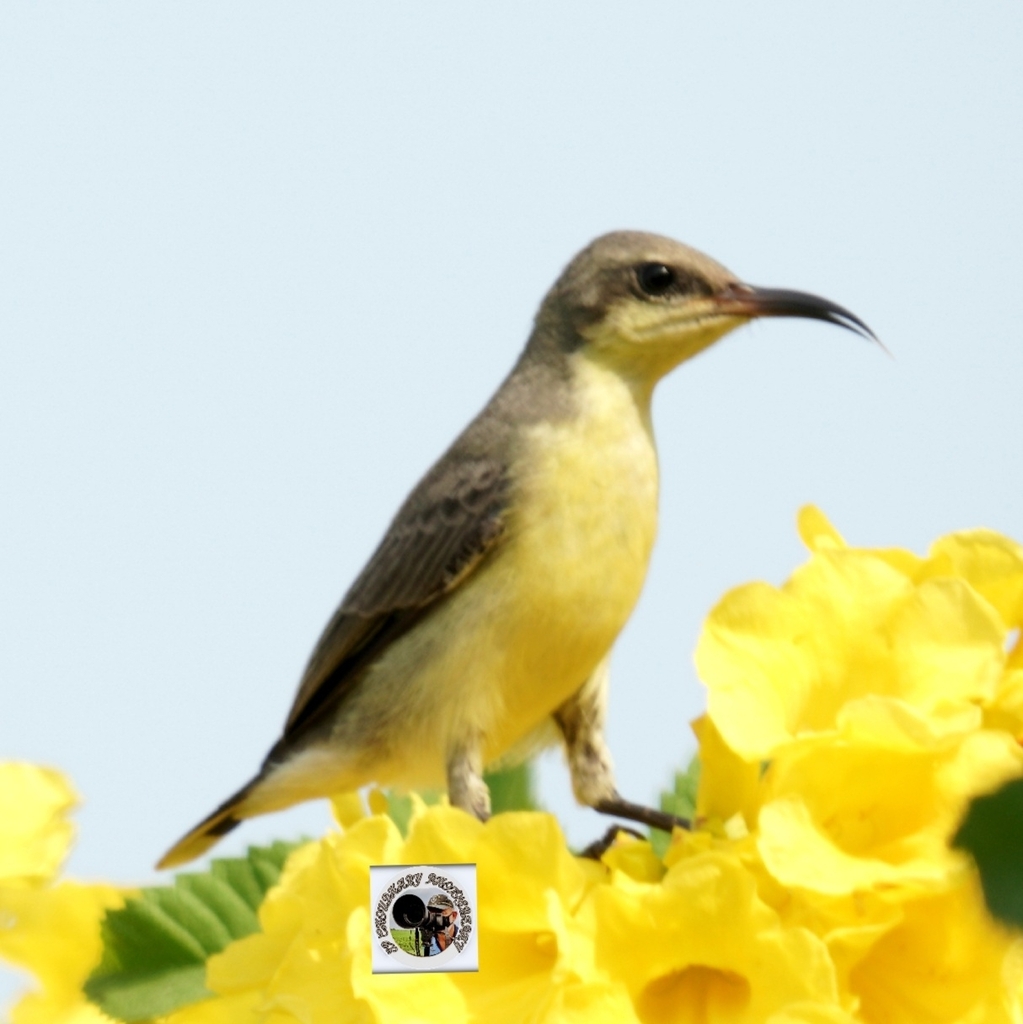
Purple Sunbird
Live sightings near you, the range map, bar charts of when it is seen, and Macaulay Library photos and recordings.
Purple sunbird
Cinnyris asiaticus
Also calledShakar khora (Urdu/Hindi) · Zǐsè huāmìniǎo 紫色花蜜鸟 (Chinese)
A tiny nectar-feeder whose breeding male is glossy purple-black that flashes metallic blue and green in the sun. It fills the ecological role hummingbirds play in the Americas, but usually perches rather than hovers to feed.
The purple sunbird is a small bird in the sunbird family. It occurs in parts of the Arabian peninsula and South and Southeast Asia. It has a fast and direct flight and can take nectar by hovering like a hummingbird but often perches at the base of flowers. It feeds mainly on nectar and insects, especially when feeding young. The males can appear all black in harsh sunlight but the purple iridescence is visible on closer observation or under good light conditions. Females are olive above and yellowish below. Wikipedia
What it can do
- iPollinates many flowering plants as it feeds on nectar with a long, curved bill and tubular tongue
- iiCan hover briefly at flowers like a hummingbird
- iiiWeaves a hanging purse-shaped nest bound with spider silk and decorated with debris
- ivPierces the base of long tubular flowers to 'rob' nectar
In the field
Field marks
- aVery small with a long, down-curved black bill
- bBreeding male: all glossy purple-black, iridescent in sunlight, with yellow and orange tufts under the wing in display
- cFemale: olive-brown above, pale yellow below
- dNon-breeding male resembles female but with a dark stripe down the centre of the breast
- Voice
- Sharp, metallic 'chwit' or 'zit' calls; male sings a rapid, twittering 'cheewit-cheewit-swee'
- Not to be confused with
- Purple-rumped sunbird (peninsular India, Sri Lanka) has a maroon back and yellow belly; Loten's sunbird has a much longer bill and a maroon breast band.
- Where to see it
- Flowering gardens across Pakistan and India; common on bottlebrush and hibiscus in Karachi, Lahore and Delhi
- When
- Resident; males in breeding plumage mainly in spring and summer
Listen
Looking for field recordings…
Life & habits
- Diet
- Nectar, small insects and spiders
- Habitat
- Gardens, dry scrub, thorn forest and open woodland
- Size
- About 10 cm long
Restless and quick, flicking its wings as it moves between flowers; the hanging nest often has a little porch over the side entrance.
Where it lives
Recorded sightings
—
geo-referenced records in GBIF, from museums, herbaria and field observers.
Native range
The Persian Gulf, Oman and Iran through Afghanistan, Pakistan, India, Nepal, Bangladesh and Sri Lanka to Myanmar and Indochina
Drag the globe to turn it. Dots are where records exist, not a range map; darker means more records.
In the old herbals & bestiaries
Woodcuts and engravings matched from the Source Library’s scanned books by name. Plates marked “relative” show a close kin rather than this exact species. Click a plate to read the page it came from, with translation.

In the stacks
Searching the stacks…
Every page naming Cinnyris asiaticus in the Biodiversity Heritage Library →
Marginalia
Its Urdu and Hindi name shakar khora means 'sugar eater'.
Curiosity
In the Old World, sunbirds evolved to fill the nectar-feeding niche independently of the New World hummingbirds, a classic case of convergent evolution.
Kinship



Fact-checked: 1 correction made to this sheet. Photographs: iNaturalist contributors under the licences shown. Records: GBIF.org. Historical plates: Source Library (CC BY-SA 4.0; originals public domain). Summary text: Nature Library editors and Wikipedia (CC BY-SA). Medicinal and edibility notes are historical and educational, not advice. iNaturalist taxon 145193.