- Animals
- ›Arthropods
- ›Hexapods
- ›Insects
- ›Winged and Once-winged Insects
- ›True Bugs, Hoppers, Aphids, and allies
- ›True Hoppers
- ›Spittlebugs, Cicadas, Leafhoppers and Treehoppers
- ›Spittlebugs and Froghoppers
- ›Ischnorhinidae
- ›Ischnorhininae
- ›Tomaspidini
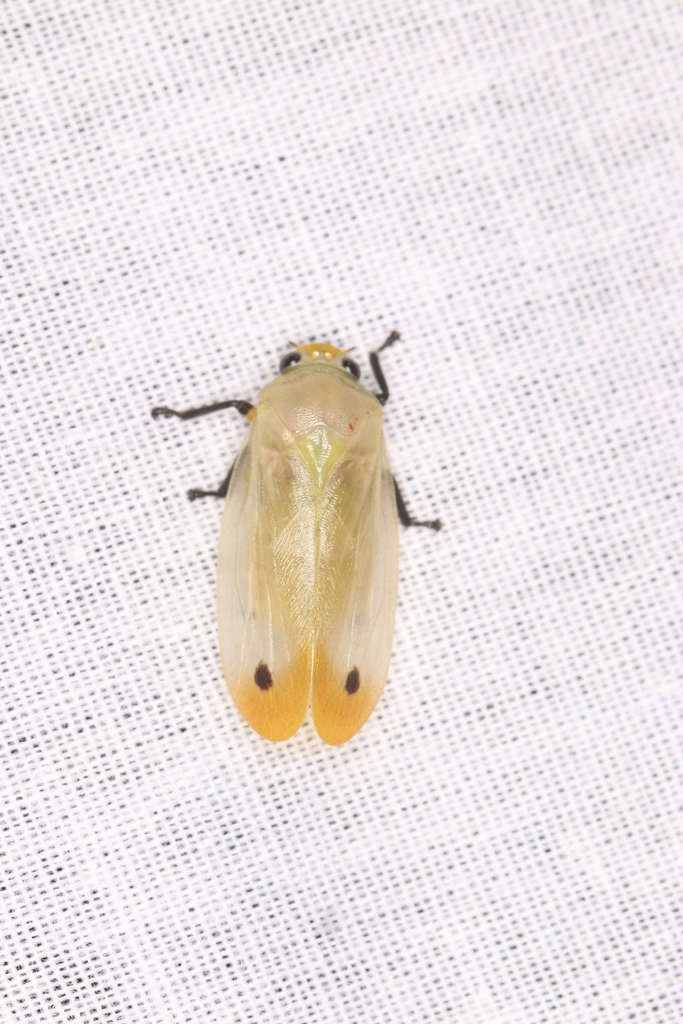
Sinopia
Sinopia (also known as sinoper, named after the now Turkish city Sinop) is a dark reddish-brown natural earth pigment, whose reddish colour comes from hematite, a dehydrated form of iron oxide. It was widely used in Classical Antiquity and the Middle Ages for painting, and during the Renaissance it was often used on the rough initial layer of plaster for the underdrawing for a fresco. The word came to be used both for the pigment and for the preparatory drawing itself, which may be revealed when a fresco is stripped from its wall for transfer.
During the Middle Ages sinopia in Latin and Italian came to mean simply a red ochre. It entered the English language as the word sinoper, meaning a red earth colour.
1 branches of this genus, most-observed first
See this branch on the Wheel of Life →
Where it lives
Recorded sightings
—
geo-referenced records in GBIF, from museums, herbaria and field observers.
Drag the globe to turn it. Dots are where records exist, not a range map; darker means more records.
In the stacks
Searching the stacks…
Every page naming Sinopia in the Biodiversity Heritage Library →
This page is assembled live from iNaturalist, GBIF, Wikipedia, the Source Library and the Internet Archive. It is not yet part of the hand-edited codex. iNaturalist taxon 897520.