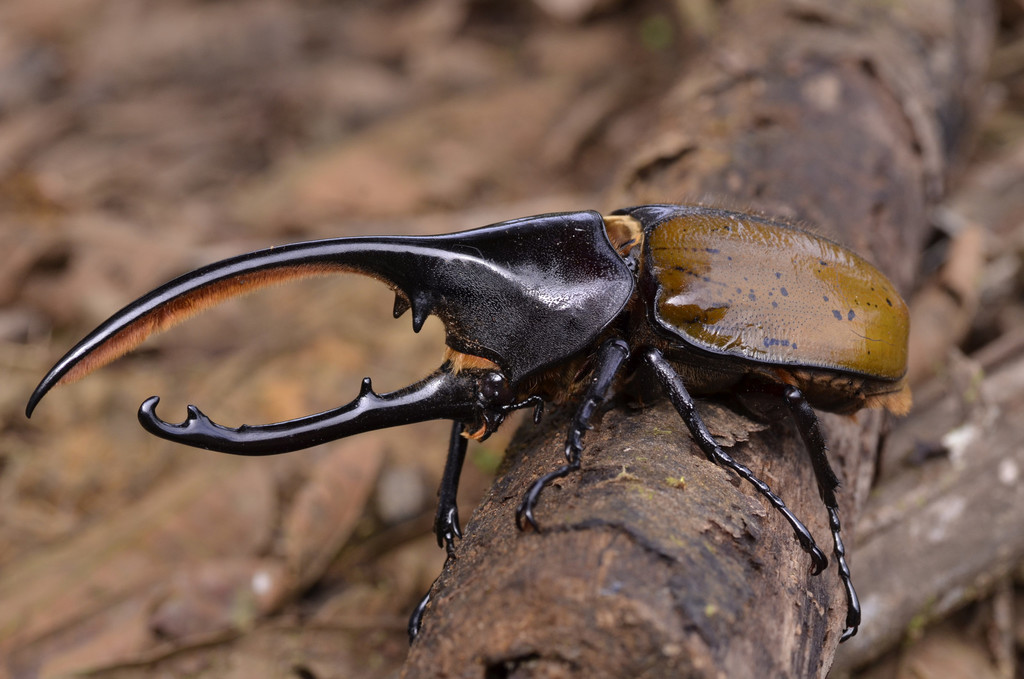
Insects
Insecta
Insects (from Latin insectum) are invertebrates of the class Insecta. They are the largest group within the arthropod phylum. Insects have an exoskeleton, a three-part body (head, thorax and abdomen), three pairs of jointed legs, compound eyes, and a pair of antennae. Insects are the most diverse group of animals, with more than a million described species; they represent more than half of all animal species.
The insect nervous system consists of a brain and a ventral nerve cord. Insects breathe air through a system of paired openings along their sides, connected to small tubes that take air directly to the tissues. The blood therefore does not carry oxygen; it is only partly contained in vessels, and some circulates in an open hemocoel. Insect vision is mainly through their compound eyes, with additional small ocelli. Many insects can hear, using tympanal organs. Their sense of smell is via receptors, usually on the antennae and the mouthparts.
3 branches of this class, most-observed first

Winged and Once-winged Insects
subclassPterygota
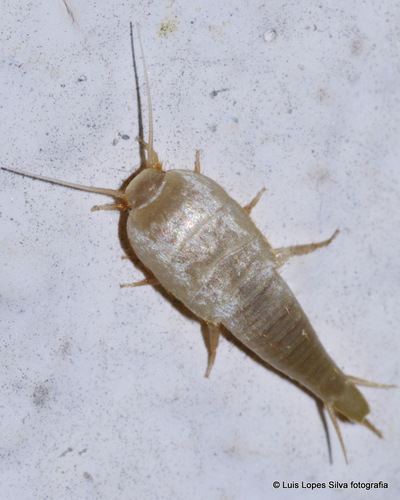
Silverfishes
orderZygentoma
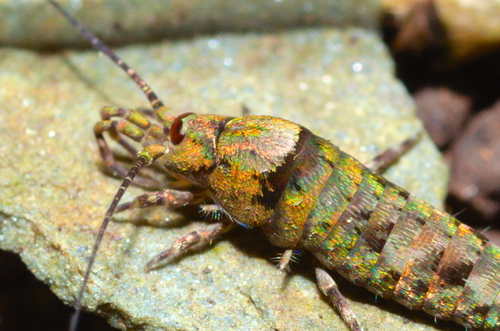
Bristletails
orderArchaeognatha
Where it lives
Recorded sightings
—
geo-referenced records in GBIF, from museums, herbaria and field observers.
Drag the globe to turn it. Dots are where records exist, not a range map; darker means more records.
In the stacks
Searching the stacks…
Every page naming Insecta in the Biodiversity Heritage Library →
This page is assembled live from iNaturalist, GBIF, Wikipedia, the Source Library and the Internet Archive. It is not yet part of the hand-edited codex. iNaturalist taxon 47158.