Hexapods
Hexapoda
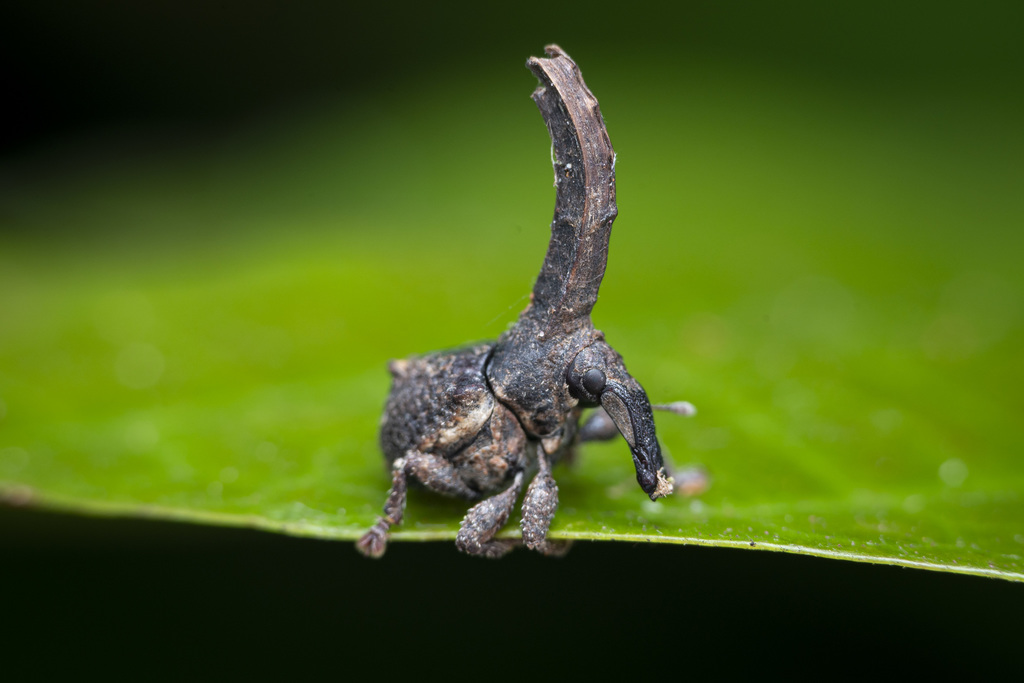
The subphylum Hexapoda (from Greek for 'six legs') or hexapods comprises the largest clade of arthropods and includes most of the extant arthropod species. It includes the crown group class Insecta (true insects), as well as the much smaller group Entognatha, which includes three classes of wingless arthropods that were once considered insects: Collembola (springtails), Protura (coneheads) and Diplura (two-pronged bristletails). The insects and springtails are very abundant and are some of the most important pollinators, basal consumers, scavengers/detritivores and micropredators in terrestrial environments.
Hexapods are named for their most distinctive feature: a three-part body plan with a consolidated thorax and three pairs of legs. Most other arthropods have more than three pairs of legs. Most recent studies have recovered Hexapoda as a subgroup of Pancrustacea as members of Allotriocarida.
2 branches of this subphylum, most-observed first
See this branch on the Wheel of Life →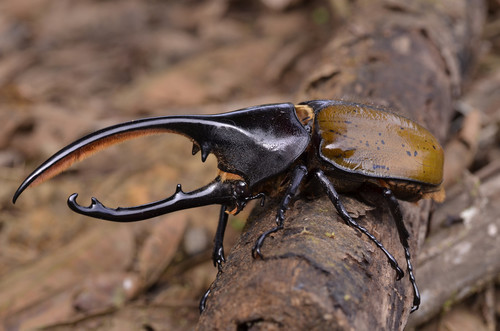

Where it lives
Recorded sightings
—
geo-referenced records in GBIF, from museums, herbaria and field observers.
Drag the globe to turn it. Dots are where records exist, not a range map; darker means more records.
In the stacks
Searching the stacks…
Every page naming Hexapoda in the Biodiversity Heritage Library →
This page is assembled live from iNaturalist, GBIF, Wikipedia, the Source Library and the Internet Archive. It is not yet part of the hand-edited codex. iNaturalist taxon 372739.