
True Bugs, Hoppers, Aphids, and allies
Hemiptera
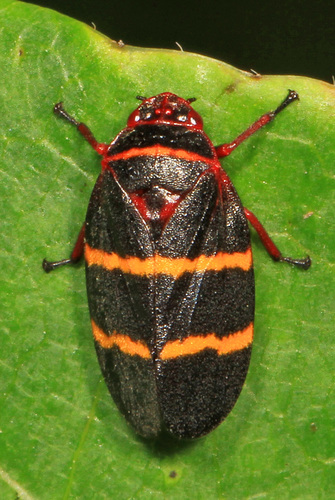
Hemiptera (; from Ancient Greek hemipterus 'half-winged') is an order of insects, commonly called true bugs, comprising more than 100,000 species within groups such as the cicadas, aphids, planthoppers, leafhoppers, assassin bugs, bed bugs, and shield bugs. They range in size from 1 mm (0.04 in) to around 15 cm (6 in), and share a common arrangement of piercing-sucking mouthparts. The name "true bugs" is sometimes limited to the suborder Heteroptera.
Most hemipterans feed on plants, using their sucking and piercing mouthparts to extract plant sap. Some are bloodsucking, or hematophagous, while others are predators that feed on other insects or small invertebrates. They live in a wide variety of habitats, generally terrestrial, though some are adapted to life in or on the surface of fresh water (e.g. pondskaters, water boatmen, giant water bugs). Hemipterans are hemimetabolous, with young nymphs that somewhat resemble adults. Many aphids are capable of parthenogenesis, producing young from unfertilised eggs; this helps them to reproduce extremely rapidly in favourable conditions.



Where it lives
Recorded sightings
—
geo-referenced records in GBIF, from museums, herbaria and field observers.
Drag the globe to turn it. Dots are where records exist, not a range map; darker means more records.
In the stacks
Searching the stacks…
Every page naming Hemiptera in the Biodiversity Heritage Library →
This page is assembled live from iNaturalist, GBIF, Wikipedia, the Source Library and the Internet Archive. It is not yet part of the hand-edited codex. iNaturalist taxon 47744.