- Animals
- ›Arthropods
- ›Hexapods
- ›Insects
- ›Winged and Once-winged Insects
- ›True Bugs, Hoppers, Aphids, and allies
- ›True Bugs
- ›Pentatomomorph Bugs
- ›Stink Bugs, Shield Bugs, and Allies
- ›Stink Bugs
- ›Pentatominae
- ›Rhynchocorini
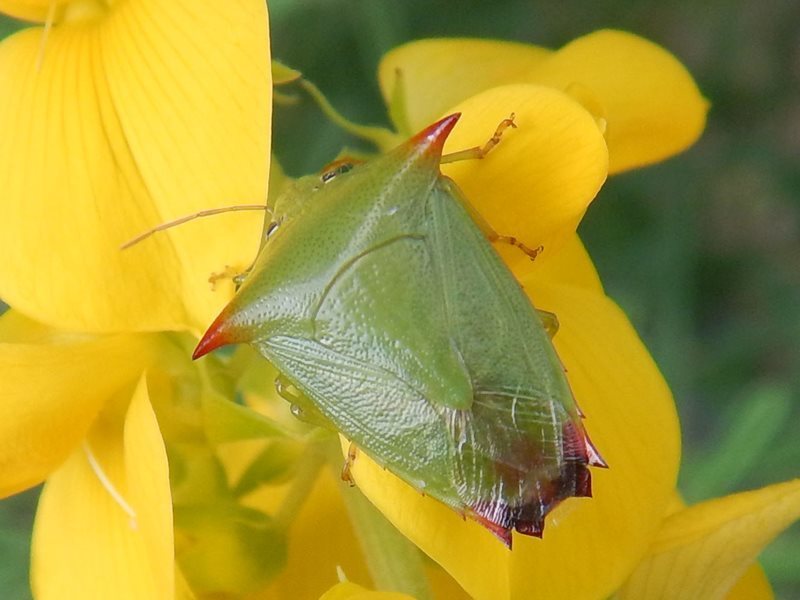
Avicenna
Ibn Sina (c. 980 – 22 June 1037), commonly known in the West as Avicenna, was a preeminent philosopher and physician of the Muslim world. He was a seminal figure of the Islamic Golden Age, serving in the courts of various Iranian rulers, and was influential to medieval European medical and Scholastic thought. Avicenna is considered one of the greatest thinkers and medical scholars in history.
Often described as the father of early modern medicine, Avicenna's most famous works are The Book of Healing, a philosophical and scientific encyclopedia, and The Canon of Medicine, a medical encyclopedia that became a standard medical text at many medieval European universities and remained in use as late as 1650.
3 branches of this genus, most-observed first
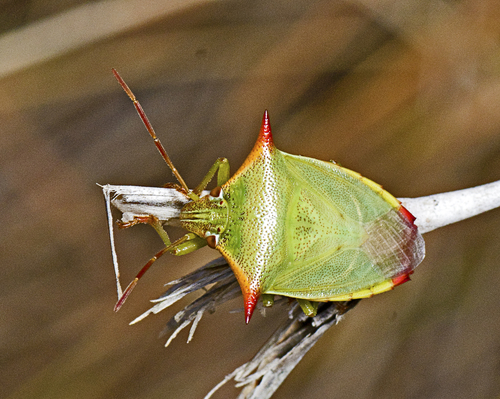
Avicenna inquinata
speciesAvicenna inquinata
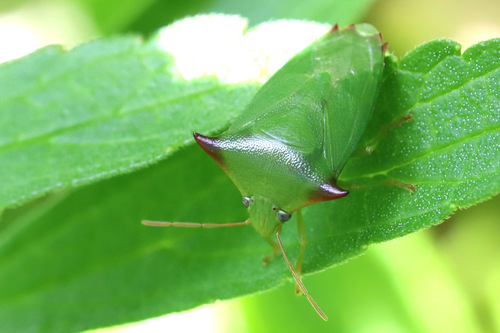
Avicenna auricornis
speciesAvicenna auricornis
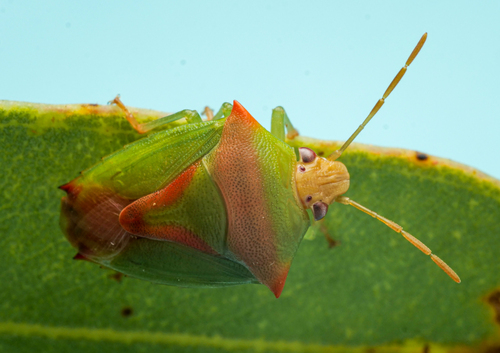
Avicenna aggressor
speciesAvicenna aggressor
Where it lives
Recorded sightings
—
geo-referenced records in GBIF, from museums, herbaria and field observers.
Drag the globe to turn it. Dots are where records exist, not a range map; darker means more records.
In the old herbals & bestiaries

Hortus Eystettensis
Basilius Besler · 1640 · p.243

Commentaries on the Six Books of Dioscorides on Medical Matter
Pietro Andrea Mattioli · 1563 · p.614

Discourses on the Six Books of Dioscorides
Dioscorides; Pietro Andrea Mattioli (comm.) · 1568 · p.1158

Ten Books of Exotic Things
Carolus Clusius · 1605 · p.205

History of Aromatics and Some Medicinal Plants Born in the Indies
Garcia de Orta; Carolus Clusius (trans.) · 1567 · p.121
In the stacks
Searching the stacks…
Every page naming Avicenna in the Biodiversity Heritage Library →
This page is assembled live from iNaturalist, GBIF, Wikipedia, the Source Library and the Internet Archive. It is not yet part of the hand-edited codex. iNaturalist taxon 862008.