
Snakes
Serpentes
Snakes are limbless reptiles of the squamate suborder Serpentes. Closely related to lizards and the tuatara, snakes are ectothermic, amniote, air-breathing vertebrates with an elongated rope-like body covered by overlapping scales, and they move around using undulatory, rectilinear, concertina, sidewinding or slide-pushing locomotion, with some arboreal species even capable of short-ranged gliding flight by flaring out the ribs to flatten and widen the body for aerodynamic lift. Snakes have skulls with significantly fewer sutures and more hypermobile articulations (i.e. cranial kinesis) than their lizard relatives, enabling them to greatly widen the mouth and swallow prey much larger than their heads. To accommodate their narrow bodies, snakes' paired organs (such as kidneys) appear one in front of the other instead of side by side, and most only have one functional lung. Despite being tetrapods from a cladistic prospective, snakes lack limbs completely, although pythons and boids retain a vestigial pelvic girdle.
28 branches of this suborder, most-observed first · about 4,202 known species
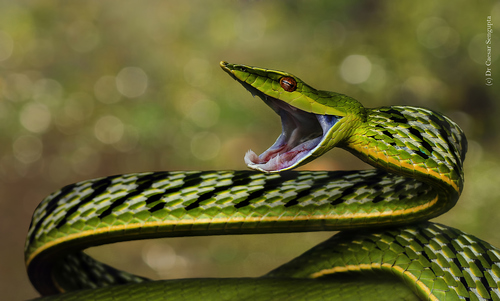
Colubrid Snakes
familyColubridae

Vipers
familyViperidae

Elapid Snakes
familyElapidae
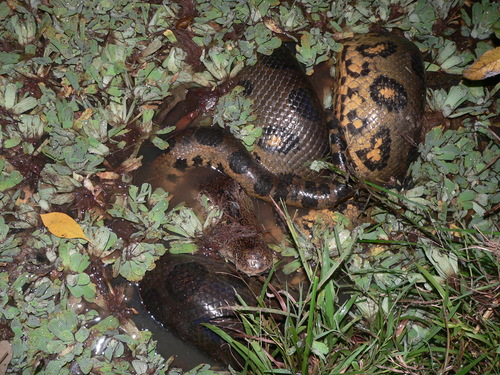
Boas
familyBoidae
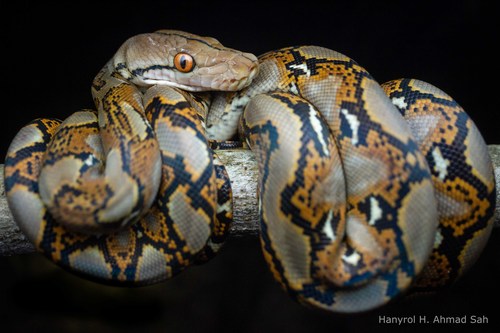
Pythons
familyPythonidae
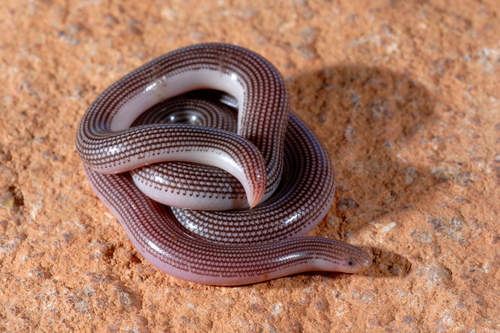
Blind snakes
infraorderScolecophidia

Sand Snakes
familyPsammophiidae

Lamprophiid Snakes
familyLamprophiidae

Slug Snakes
familyPareidae

Madagascar Brook Snakes
familyPseudoxyrhophiidae

Mud Snakes
familyHomalopsidae
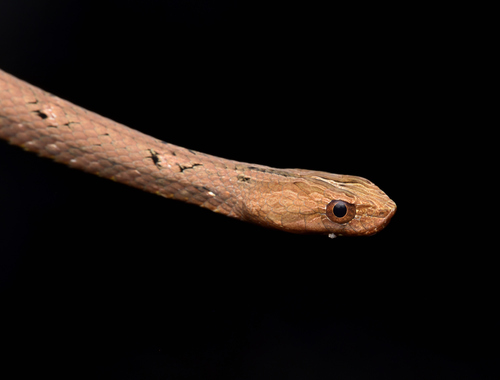
Asian mock vipers
familyPsammodynastidae

Mole and Western Keeled Snakes
familyPseudaspididae

Atractaspidid Snakes
familyAtractaspididae

Sunbeam Snakes
familyXenopeltidae

Xenodermid Snakes
familyXenodermidae

Shield-tailed Snakes
familyUropeltidae

Asian Pipe Snakes
familyCylindrophiidae

Dwarf Boas
familyTropidophiidae

Shovel-Snouts
familyProsymnidae

Aquatic File Snakes
familyAcrochordidae

False Coral Snakes
familyAniliidae

Mexican Burrowing Pythons
familyLoxocemidae

Philippine Water and Burrowing Snakes
familyCyclocoridae

Two-headed Snakes
familyMicrelapidae

Dwarf Pipe Snakes
familyAnomochilidae

Round Island Boas
familyBolyeriidae
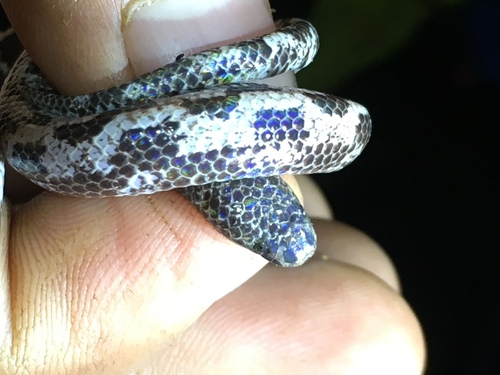
Spine-jawed Snakes
familyXenophidiidae
Where it lives
Recorded sightings
—
geo-referenced records in GBIF, from museums, herbaria and field observers.
Drag the globe to turn it. Dots are where records exist, not a range map; darker means more records.
In the stacks
Searching the stacks…
Every page naming Serpentes in the Biodiversity Heritage Library →
This page is assembled live from iNaturalist, GBIF, Wikipedia, the Source Library and the Internet Archive. It is not yet part of the hand-edited codex. iNaturalist taxon 85553.