- Animals
- ›Arthropods
- ›Hexapods
- ›Insects
- ›Winged and Once-winged Insects
- ›True Bugs, Hoppers, Aphids, and allies
- ›True Hoppers
- ›Planthoppers
- ›Fulgoroidea
- ›Lanternflies
- ›Lystrinae
- ›Diloburini
Aracynthus
Aracynthus (Ancient Greek: Ἀράκυνθος) was a range of mountains in Aetolia, the exact position of which is uncertain. It was said to run in a south-easterly direction from the Achelous River to the Evenos, and separating the lower plain of Aetolia near the sea from the upper plain above the lakes Hyria and Trichonida.
Pliny the Elder and Gaius Julius Solinus erroneously call Aracynthus a mountain of Acarnania. If we can trust the authority of later writers and of the Roman poets, there was a mountain of the name of Aracynthus both in Boeotia and in Attica, or perhaps on the frontiers of the two countries. Thus Stephanus of Byzantium and Maurus Servius Honoratus speak of a Boeotian Aracynthus; and Sextus Empiricus, Lutatius, and Vibius Sequester mention an Attic Aracynthus. As noted by McClure (2011), the Roman poet Statius, writing during the reign of Domitian, mentions both a Boeotian and Aetolian Aracynthus in his epic Thebaid.
2 branches of this genus, most-observed first
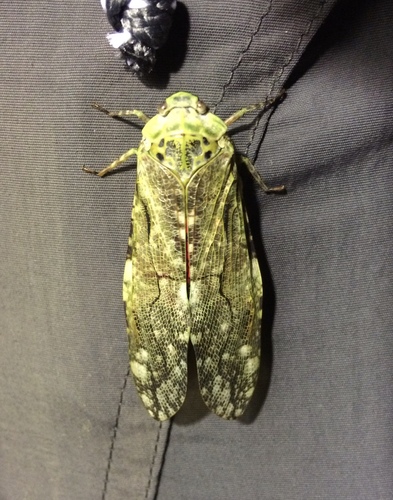
Aracynthus sanguineus
speciesAracynthus sanguineus
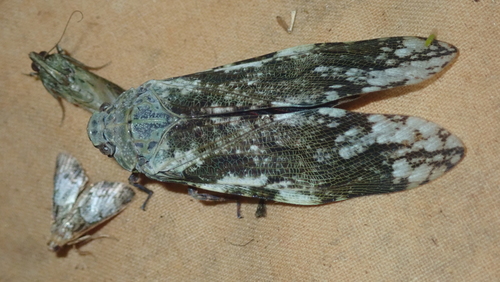
Aracynthus loicmatilei
speciesAracynthus loicmatilei
Where it lives
Recorded sightings
—
geo-referenced records in GBIF, from museums, herbaria and field observers.
Drag the globe to turn it. Dots are where records exist, not a range map; darker means more records.
In the stacks
Searching the stacks…
Every page naming Aracynthus in the Biodiversity Heritage Library →
This page is assembled live from iNaturalist, GBIF, Wikipedia, the Source Library and the Internet Archive. It is not yet part of the hand-edited codex. iNaturalist taxon 824422.