- Animals
- ›Arthropods
- ›Hexapods
- ›Insects
- ›Winged and Once-winged Insects
- ›True Bugs, Hoppers, Aphids, and allies
- ›True Hoppers
- ›Planthoppers
- ›Fulgoroidea
- ›Lanternflies
- ›Lystrinae
- ›Poiocerini
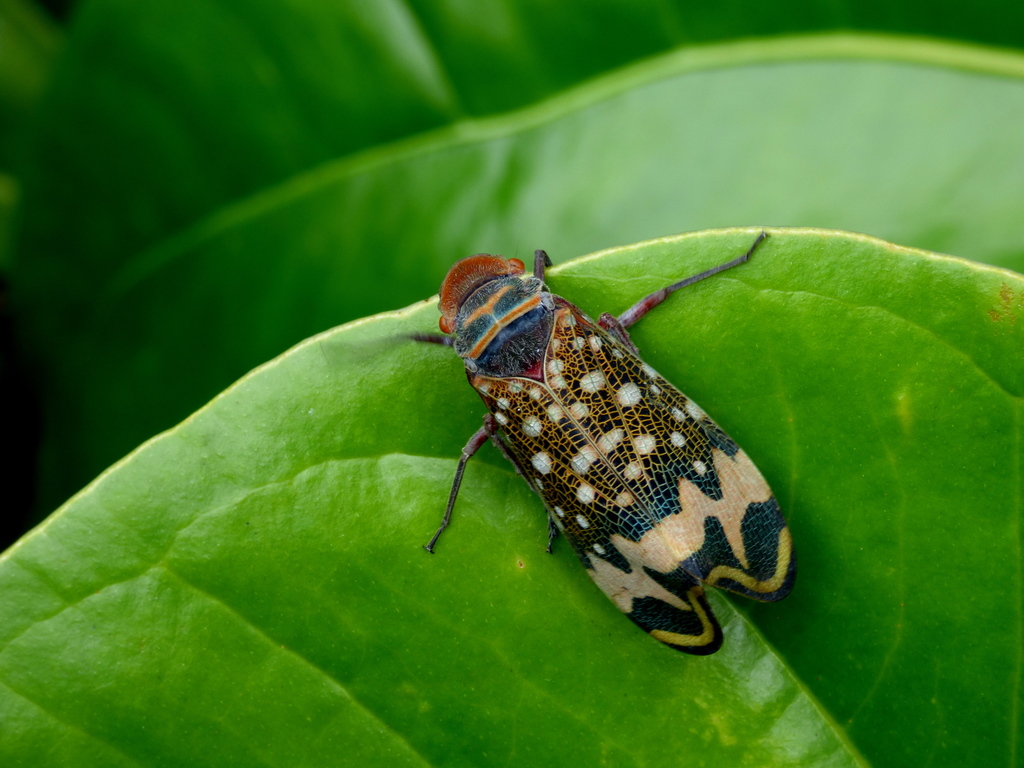
Amantia
Amantia (Ancient Greek: Ἀμάντια, Ἀβάντια; Latin: Amantia) was an ancient city and the main settlement of the Amantes, traditionally located in southern Illyria in classical antiquity. In Hellenistic times the city was either part of Illyria or Epirus. In Roman times it was included within Epirus Nova, in the province of Macedonia. The site has been identified with the village of Ploçë, Vlorë County, Albania. Amantia was designated as an archaeological park on 7 April 2003 by the government of Albania.
The massive walls of Amantia were built before the end of the 4th century BC, and literary sources report them as an Illyrian rather than Epirote or Macedonian foundation. Later Amantia acquired the trappings of a Hellenistic town. In 230 BC Amantia became part of the Koinon Epirus. Amantia received sacred ancient Greek envoys, known as theoroi, around the early 2nd century BC, which only cities that were considered Greek were eligible to receive. The time duration that passed before Illyrian cities were documented on a list of theorodokoi clarifies that acculturation did take place in southern Illyria; however, it indicates that the process was gradual.

Where it lives
Recorded sightings
—
geo-referenced records in GBIF, from museums, herbaria and field observers.
Drag the globe to turn it. Dots are where records exist, not a range map; darker means more records.
In the stacks
Searching the stacks…
Every page naming Amantia in the Biodiversity Heritage Library →
This page is assembled live from iNaturalist, GBIF, Wikipedia, the Source Library and the Internet Archive. It is not yet part of the hand-edited codex. iNaturalist taxon 793837.