 NL·0575
Herbarium of the Nature Library
- Name
- Oriolus chinensis
- Family
- Oriolidae
- Native to
- Breeds from the Russian Far East, NE China and Korea south through eastern China; resident in Southeast Asia, the Philippines and Indonesia; winters in India (mainly south and northeast) and Southeast Asia
- Habitat
- Woodland, Gardens, Mangrove, Urban
On eBird ↗
Black-naped Oriole
Live sightings near you, the range map, bar charts of when it is seen, and Macaulay Library photos and recordings.
Black-naped oriole
Oriolus chinensis
Also calledHēi zhěn huánglí 黑枕黄鹂 (Chinese) · Kōraiuguisu コウライウグイス (Japanese)
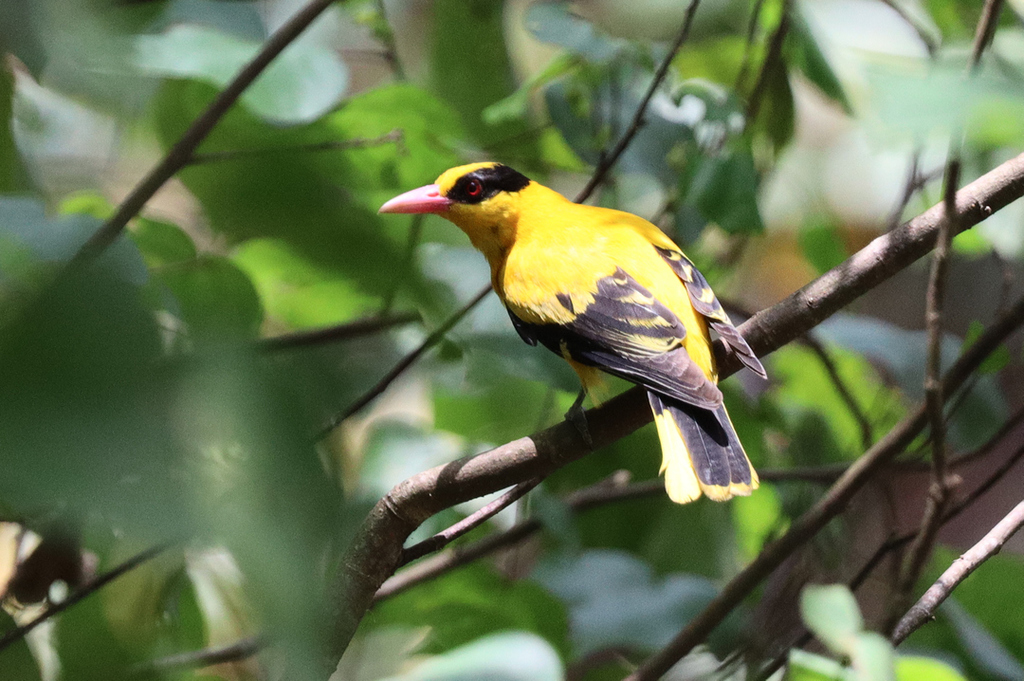
A brilliant golden-yellow bird with a black band running through the eye and around the nape, whose liquid fluting calls carry through gardens and woodland from China to Indonesia. Northern birds migrate south to winter in Southeast Asia and India.
The black-naped oriole is a passerine bird in the oriole family that is found in many parts of Asia. There are several distinctive populations within the wide distribution range of this species and in the past the slender-billed oriole was included as a subspecies. Unlike the Indian golden oriole which only has a short and narrow eye-stripe, the black-naped oriole has the stripe broadening and joining at the back of the neck. Males and females are very similar although the wing lining of the female is more greenish. The bill is pink and is stouter than in the golden oriole. Wikipedia
What it can do
- iWeaves a hammock-like cup nest slung in a horizontal fork
- iiEats caterpillars, including hairy ones that many birds avoid
- iiiLong-distance migrant in the north of its range
In the field
Field marks
- aBright golden-yellow body
- bBroad black stripe through the eye that meets at the back of the head
- cBlack wings with yellow edgings; black tail with yellow corners
- dPinkish-red bill
- Voice
- Rich, liquid, fluty whistles such as 'lwee-wee-wee-leeow', and a harsh nasal 'kyaaa' alarm
- Not to be confused with
- Indian golden oriole has a black mask only through the eye that does not join on the nape; Slender-billed oriole has a thinner bill and narrower nape band; females and young are greener with streaked underparts.
- Where to see it
- Singapore and Kuala Lumpur parks year-round; Beijing and Seoul parks in summer; Andaman Islands year-round (resident race); scarce winter visitor to peninsular India
- When
- Resident in Southeast Asia; summer visitor in northern China and Korea (May–Sep); winter visitor to India
Listen
Looking for field recordings…
Life & habits
- Diet
- Insects, caterpillars, fruit and berries, nectar
- Habitat
- Woodland, parks, gardens, plantations and mangroves
- Size
- About 26–27 cm long
Stays high in the canopy and is often seen only as a flash of yellow in undulating flight between trees.
Where it lives
Recorded sightings
—
geo-referenced records in GBIF, from museums, herbaria and field observers.
Native range
Breeds from the Russian Far East, NE China and Korea south through eastern China; resident in Southeast Asia, the Philippines and Indonesia; winters in India (mainly south and northeast) and Southeast Asia
Drag the globe to turn it. Dots are where records exist, not a range map; darker means more records.
In the old herbals & bestiaries
No plate in the Source Library names this exact species, so these show its closest relatives as the old naturalists drew them: same genus, or the same kind of animal. Click a plate to read the page it came from, with translation.

The natural history of Carolina, Florida, and the Bahama Islands : containing two hundred a...
Relative · Catesby, Mark, bioloog, kunstenaar · 1743 · p.371

The Natural History of Carolina, Florida and the Bahama Islands, Vol. 1
Relative · Mark Catesby · 1777 · p.161

Historiae Animalium Liber III: De Avium Natura
Relative · Conrad Gesner · 1555 · p.725

The Natural History of Carolina, Florida and the Bahama Islands, Vol. 1
Relative · Mark Catesby · 1777 · p.164

History of Animals, Book I: On Viviparous Quadrupeds
Relative · Conrad Gessner · 1554 · p.870

Collected Illustrations of the Three Powers (Sancai Tuhui), Vol. 63
Relative · 王圻, 王思義 · 1609 · p.56

Ornithology: The History of Birds
Relative · Ulisse Aldrovandi · 1599 · p.889

Ornithologiae: de avibus historiae libri XII
Relative · Ulisse Aldrovandi · 1599 · p.876

Ornithologiae: de avibus historiae libri XII
Relative · Ulisse Aldrovandi · 1599 · p.877

Ornithology
Relative · Ulisse Aldrovandi · 1599 · p.893
In the stacks
Searching the stacks…
Every page naming Oriolus chinensis in the Biodiversity Heritage Library →
Marginalia
The huánglí in Du Fu's famous Tang-dynasty quatrain 'Two orioles sing in the green willows' (两个黄鹂鸣翠柳) is this species, and the bird has been a symbol of spring in Chinese poetry ever since.
Curiosity
Its Japanese name means 'Korean bush warbler', though it is not a warbler at all; in Japan it is only a scarce visitor.
Kinship
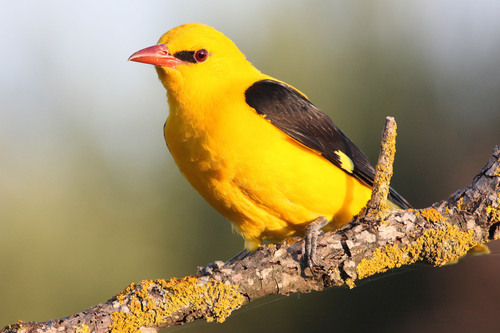

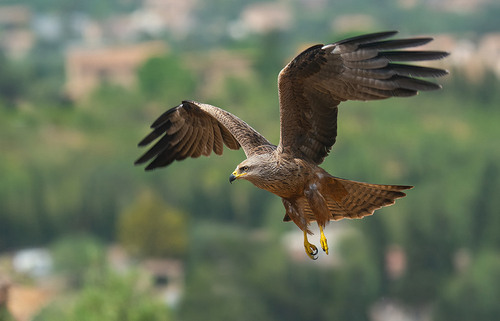
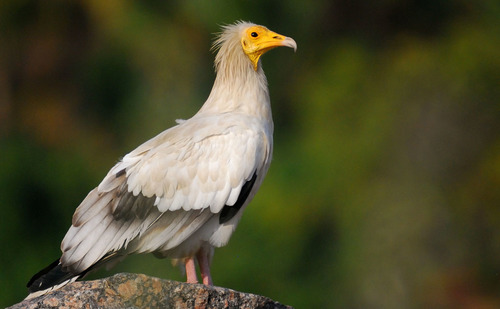

Fact-checked: 1 correction made to this sheet. Photographs: iNaturalist contributors under the licences shown. Records: GBIF.org. Historical plates: Source Library (CC BY-SA 4.0; originals public domain). Summary text: Nature Library editors and Wikipedia (CC BY-SA). Medicinal and edibility notes are historical and educational, not advice. iNaturalist taxon 7867.