 NL·0032
Herbarium of the Nature Library
- Name
- Matricaria chamomilla
- Family
- Asteraceae
- Native to
- Southern & Eastern Europe and Western Asia; naturalised across temperate regions worldwide
- Habitat
- Temperate grassland, Disturbed ground, Farmland
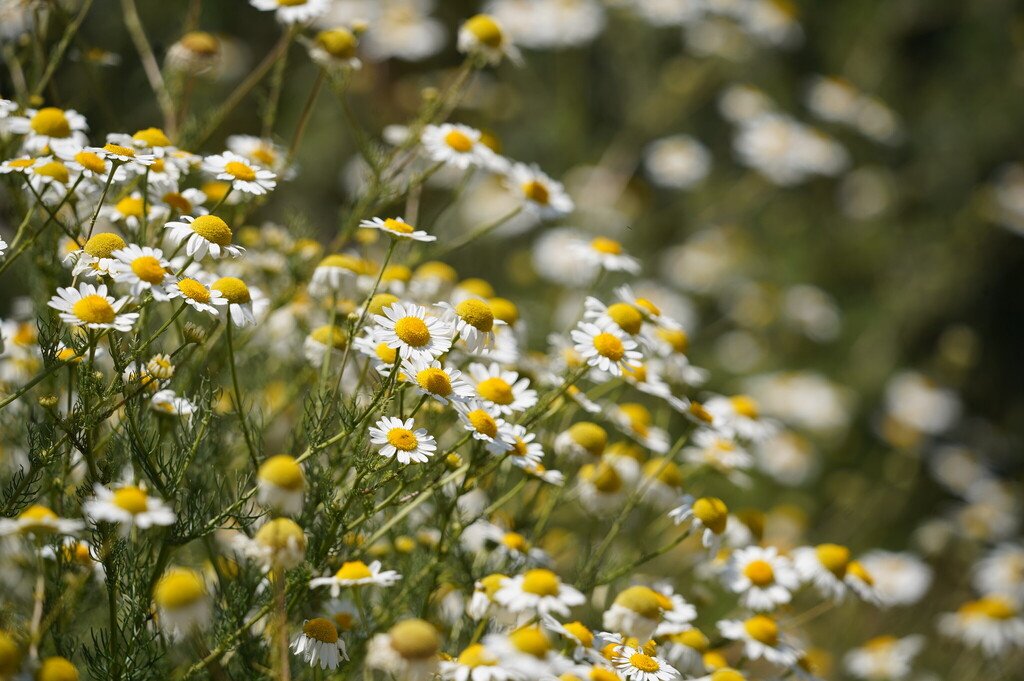
German chamomile
Matricaria chamomilla
Also calledBabuna (Hindi/Urdu) · Bābūnaj (Arabic) · Manzanilla (Spanish) · Echte Kamille (German) · Mǔjú 母菊 (Chinese)
A small, apple-scented annual daisy whose hollow, domed flower heads have been steeped into one of the world's most-drunk herbal teas for over two thousand years. Its essential oil turns an inky blue when distilled, thanks to chamazulene formed from the flower's matricin.
Matricaria chamomilla, commonly known as chamomile, German chamomile, Hungarian chamomile (kamilla), wild chamomile, blue chamomile, or scented mayweed, is an annual plant of the composite family Asteraceae. Commonly, the name M. recutita is applied to the herbal product chamomile, although other species are also used as chamomile. The plant is commonly used to make a tea. Wikipedia
What it can do
- iProduces apigenin and α-bisabolol, compounds studied for calming and anti-inflammatory effects
- iiYields a deep-blue essential oil: matricin in the flowers converts to chamazulene during steam distillation
- iiiColonises compacted, poor and slightly saline soils such as field margins and roadsides
- ivCompletes its life cycle from seed to flower in about two months
At the table
Eatenflower heads (tea)
Dried flower heads are brewed as tea. People allergic to ragweed, chrysanthemums or other Asteraceae may react, occasionally severely.
In the medicine cabinet
| Tradition | Use |
|---|---|
| European folk medicine | Tea for sleeplessness, nervous stomach, colic and menstrual cramps; compresses and rinses for inflamed skin and gums |
| Unani | Bābūnaj used as a resolvent and anti-inflammatory, in oils for joint pain and in decoctions for digestive complaints |
| Ayurveda / South Asian folk | Babuna flowers given for indigestion, flatulence and restlessness in children |
| Modern phytotherapy | Oral extracts trialled for generalised anxiety disorder; topical preparations approved in Germany for skin and mucosal inflammation |
Weight of evidence
Moderate. Some clinical trials with promising but limited or mixed results.
Active compounds
apigenin, α-bisabolol, matricin, chamazulene, bisabolol oxides
Fruit & seed

Fruit
Cypsela (achene)
Ripens: Summer
Tiny, dry, pale and ribbed, without a pappus; not eaten.

Seed
~1 mm
Minute pale-brown, ribbed seeds
- Dispersal
- Falls near the parent; carried by water, soil and machinery; self-sows freely
- Germination
- Needs light; surface-sow and keep moist, 7–14 days at 15–20 °C
Photographs from Wikimedia Commons under open licences; hover for the photographer, click for the file.
How to grow it
Hardiness (USDA zones)
Annual; grown in USDA 2–10. Survives winters down to about -46 °C.
- Light
- Full sun
- Water
- Low–moderate
- Soil
- Light, well-drained; tolerates poor soil
- Propagation
- Seed, sown in spring or autumn
- To harvest
- Flowers 6–8 weeks after sowing
- Climates
- Temperate, Mediterranean
- 1Scatter seed on the surface of raked soil and press in lightly without covering
- 2Keep moist until seedlings appear, then thin to about 20 cm
- 3Pick flower heads on a dry morning when the white petals are flat or just turning back
- 4Dry on screens out of direct sun and store airtight
Can it grow where you are?
Where it lives
Recorded sightings
—
geo-referenced records in GBIF, from museums, herbaria and field observers.
Native range
Southern & Eastern Europe and Western Asia; naturalised across temperate regions worldwide
Drag the globe to turn it. Dots are where records exist, not a range map; darker means more records.
In the old herbals & bestiaries
Woodcuts and engravings matched from the Source Library’s scanned books by name. Plates marked “relative” show a close kin rather than this exact species. Click a plate to read the page it came from, with translation.

Hortus Eystettensis
Basilius Besler · 1640 · p.228

Latin Herbal with German Synonyms
1486 · p.190

Florum et coronariarum historia
Rembert Dodoens · 1568 · p.230

Elements of Botany
Joseph Pitton de Tournefort · 1719 · p.32

Latin Herbal with German Synonyms
1484 · p.217

Latin Herbal with German Synonyms
1484 · p.115

Latin Herbal
1484 · p.189

Herbarius
1485 · p.190

Herbarius latinus (with Dutch synonyms)
1486 · p.187

Herbarius latinus (with Dutch synonyms)
1486 · p.83
In the stacks
Searching the stacks…
Every page naming Matricaria chamomilla in the Biodiversity Heritage Library →
Marginalia
Dioscorides described it as anthemis in De Materia Medica (1st century CE), and bābūnaj became a fixture of medieval Arabic and Unani pharmacy. In Beatrix Potter's The Tale of Peter Rabbit (1902), Peter's mother doses him with chamomile tea.
Curiosity
You can tell true German chamomile from the lookalike scentless mayweed by slicing the flower head: chamomile's cone-shaped receptacle is hollow.
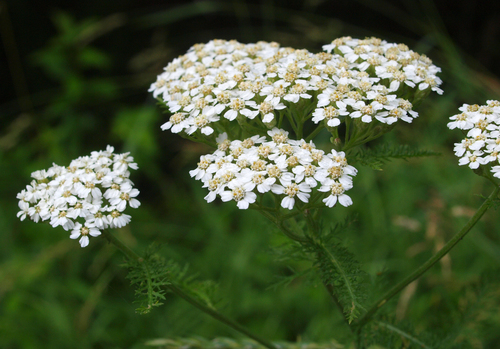
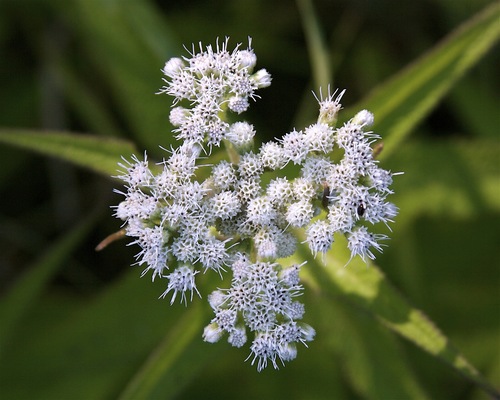
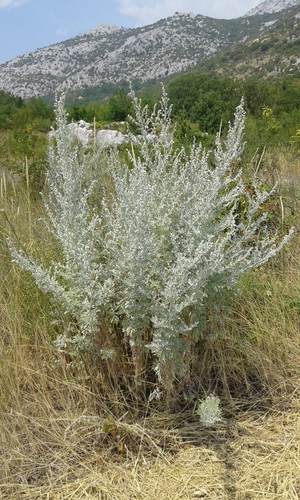
Kinship

Photographs: iNaturalist contributors under the licences shown. Records: GBIF.org. Historical plates: Source Library (CC BY-SA 4.0; originals public domain). Summary text: Nature Library editors and Wikipedia (CC BY-SA). Medicinal and edibility notes are historical and educational, not advice. iNaturalist taxon 77965.