
Vascular Plants
Tracheophyta
Vascular plants (from Latin vasculum 'duct'), also called tracheophytes (UK: , US: ) or collectively Tracheophyta (; from Ancient Greek τραχεῖα ἀρτηρία (trakheîa artēría) 'windpipe' and φυτά (phutá) 'plants'), are plants that have lignified tissues (the xylem) for conducting water and minerals throughout the plant. They also have a specialized non-lignified tissue (the phloem) to conduct products of photosynthesis. The group includes most land plants (c. 300,000 accepted known species) excluding mosses.
Vascular plants include the clubmosses, horsetails, ferns, gymnosperms (including conifers), and angiosperms (flowering plants). They are contrasted with nonvascular plants such as mosses and green algae. Scientific names for the vascular plants group include Tracheophyta, Tracheobionta and Equisetopsida sensu lato. Some early land plants (the rhyniophytes) had less developed vascular tissue; the term eutracheophyte has been used for all other vascular plants, including all living ones.
8 branches of this phylum, most-observed first

flowering plants
subphylumAngiospermae
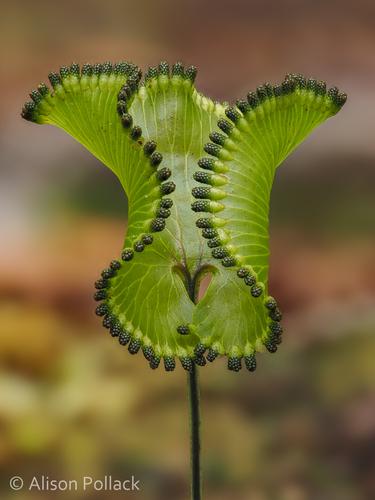
Ferns
classPolypodiopsida

conifers
classPinopsida

Lycophytes
classLycopodiopsida

Cycads
classCycadopsida

gnetophytes
classGnetopsida

ginkgos
classGinkgoopsida
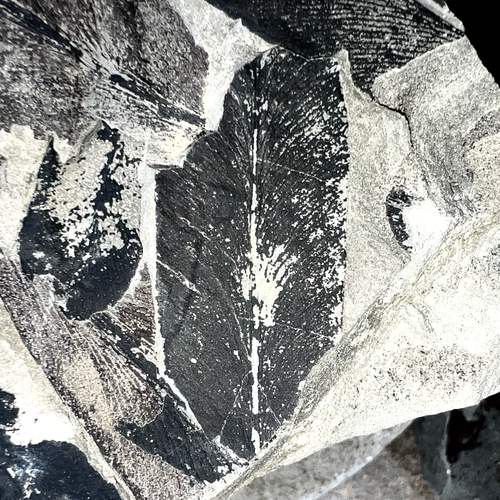
Glossopteridales
orderGlossopteridales
Where it lives
Recorded sightings
—
geo-referenced records in GBIF, from museums, herbaria and field observers.
Drag the globe to turn it. Dots are where records exist, not a range map; darker means more records.
In the stacks
Searching the stacks…
Every page naming Tracheophyta in the Biodiversity Heritage Library →
This page is assembled live from iNaturalist, GBIF, Wikipedia, the Source Library and the Internet Archive. It is not yet part of the hand-edited codex. iNaturalist taxon 211194.