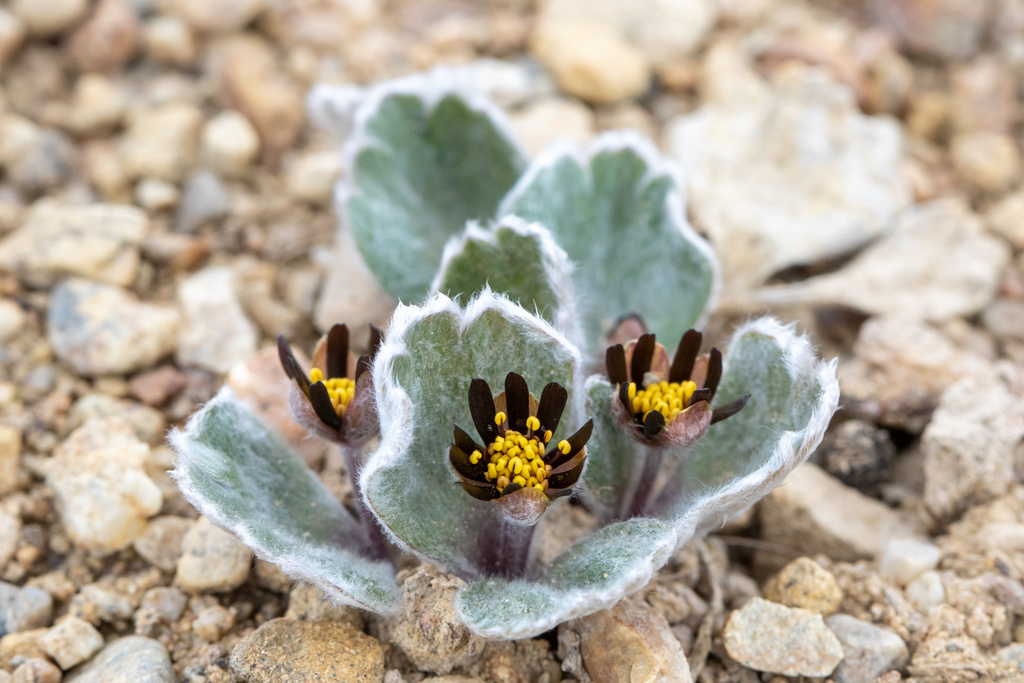
Plants
Plantae
Plants are the eukaryotic organisms that constitute the kingdom Plantae (/'plænteɪ/). They are predominantly photosynthetic or came from photosynthetic ancestors, meaning that they obtain their energy from sunlight by using the green pigment chlorophyll in their chloroplasts to produce sugars from carbon dioxide and water. Over the course of time, some plants have evolved to be parasitic, meaning they take energy from other organisms. Except for glaucophytes, some green algae and a few red algae, most plants are multicellular.
Historically, as in Aristotle's biology, the plant kingdom encompassed all living things that were not animals, and included algae and fungi. Definitions have narrowed since then; current definitions exclude fungi and some of the algae. By the definition used in this article, plants form the clade Viridiplantae (green plants), which consists of the green algae and the embryophytes or land plants (hornworts, liverworts, mosses, lycophytes, ferns, conifers and other gymnosperms, and flowering plants). A definition based on genomes includes the Viridiplantae, along with the red algae and the glaucophytes, in the clade Archaeplastida.
8 branches of this kingdom, most-observed first
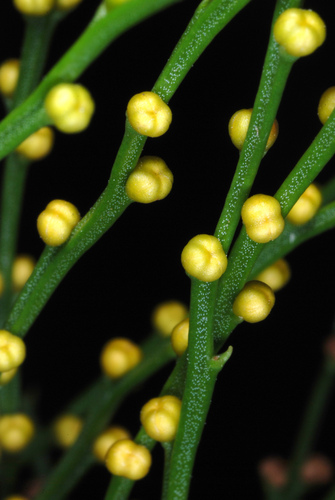
Vascular Plants
phylumTracheophyta

Mosses
phylumBryophyta

liverworts
phylumMarchantiophyta

green algae
phylumChlorophyta

red algae
phylumRhodophyta
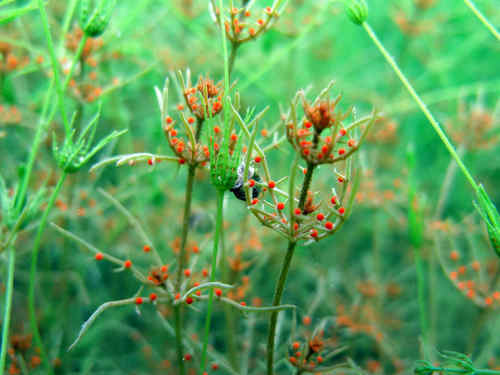
charophyte algae
phylumCharophyta
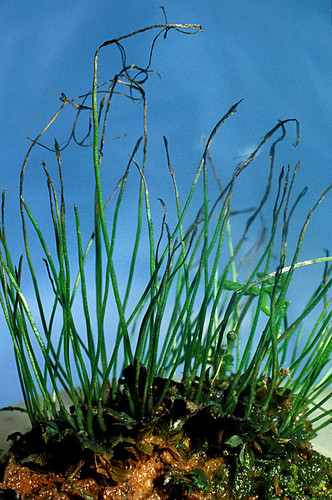
hornworts
phylumAnthocerotophyta

glaucophyte algae
phylumGlaucophyta
Where it lives
Recorded sightings
—
geo-referenced records in GBIF, from museums, herbaria and field observers.
Drag the globe to turn it. Dots are where records exist, not a range map; darker means more records.
In the stacks
Searching the stacks…
Every page naming Plantae in the Biodiversity Heritage Library →
This page is assembled live from iNaturalist, GBIF, Wikipedia, the Source Library and the Internet Archive. It is not yet part of the hand-edited codex. iNaturalist taxon 47126.