
Sunflowers, Daisies, Asters, and Allies
Asteraceae
Asteraceae ( ) is a large family of flowering plants that consists of over 32,000 known species in over 1,900 genera within the order Asterales. The number of species in Asteraceae is rivaled only by the Orchidaceae, and which is the larger family is unclear as the number of extant species in each family is unknown. The Asteraceae were first described in the year 1740 and given the original name Compositae. The family is commonly known as the aster, daisy, composite, or sunflower family.
Most species of Asteraceae are herbaceous plants, and may be annual, biennial, or perennial, but there are also shrubs, vines, and trees. The family has a widespread distribution, from subpolar to tropical regions, in a wide variety of habitats. Most occur in hot desert and cold or hot semi-desert climates, and they are found on every continent but Antarctica. Their common primary characteristic is compound flower heads, technically known as capitula, consisting of sometimes hundreds of tiny individual florets enclosed by a whorl of protective involucral bracts.
15 branches of this family, most-observed first

Asteroideae
subfamilyAsteroideae

chicories, dandelions, and allies
subfamilyCichorioideae

Thistles and Allies
subfamilyCarduoideae
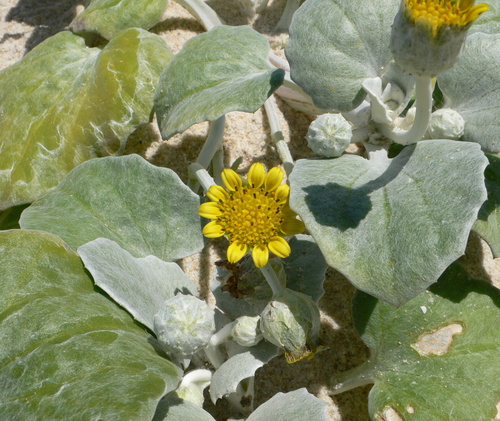
Vernonioideae
subfamilyVernonioideae
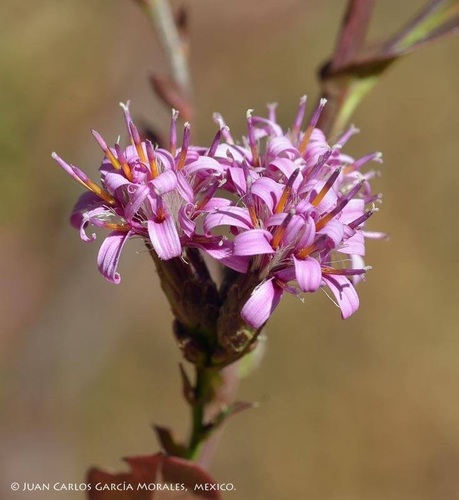
Mutisioideae
subfamilyMutisioideae
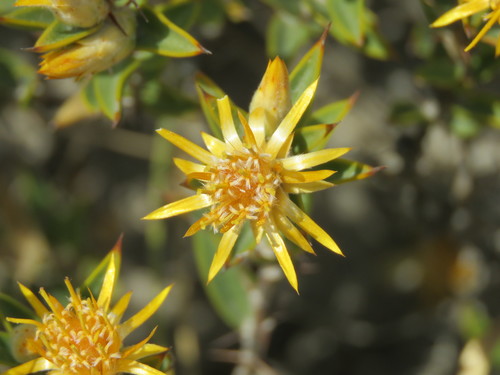
Barnadesioideae
subfamilyBarnadesioideae
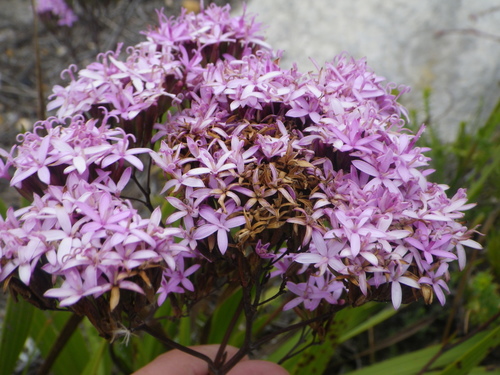
plampers
subfamilyCorymbioideae
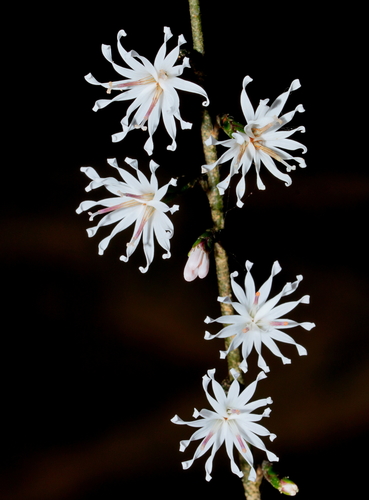
Pertyoideae
subfamilyPertyoideae
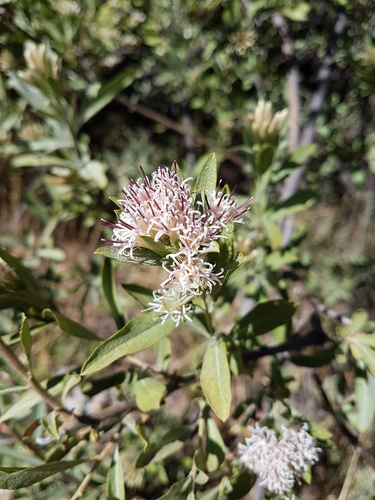
Gochnatioideae
subfamilyGochnatioideae
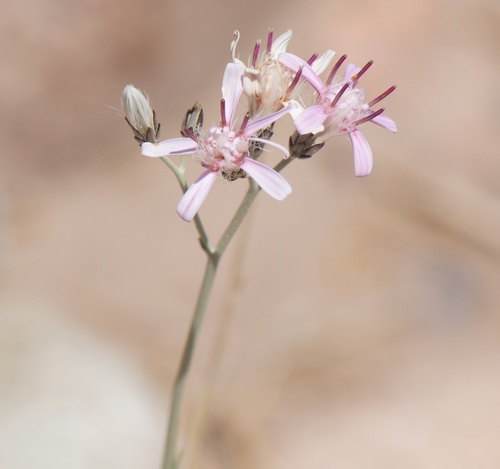
Wunderlichioideae
subfamilyWunderlichioideae
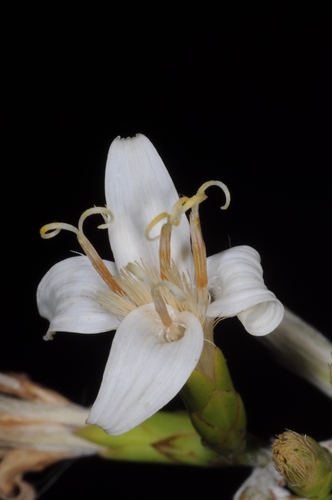
Stifftioideae
subfamilyStifftioideae
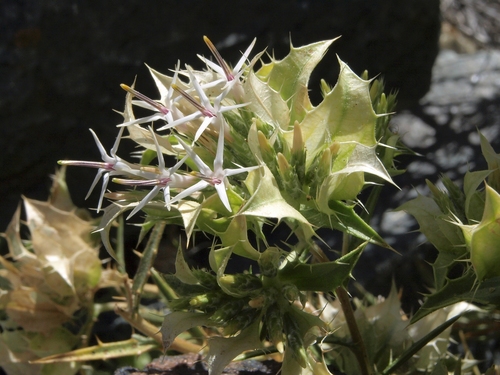
prickleleaves
subfamilyHecastocleidoideae
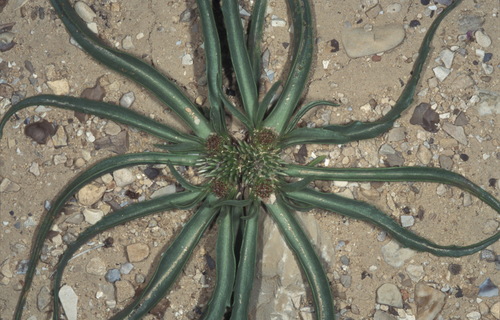
Gymnarrhenoideae
subfamilyGymnarrhenoideae
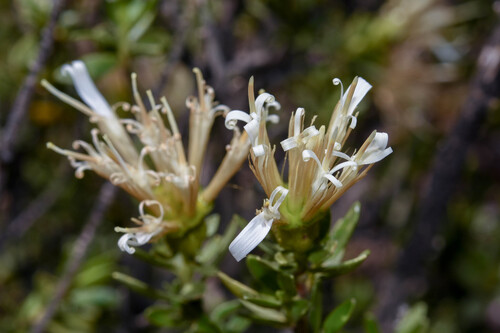
Famatinanthoideae
subfamilyFamatinanthoideae
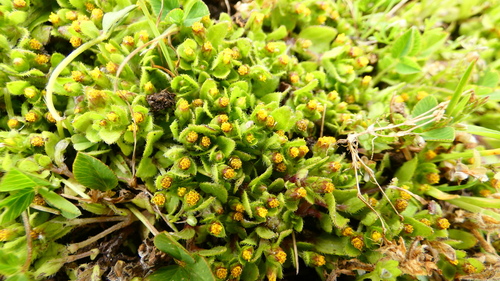
Stemmatella
genusStemmatella
Where it lives
Recorded sightings
—
geo-referenced records in GBIF, from museums, herbaria and field observers.
Drag the globe to turn it. Dots are where records exist, not a range map; darker means more records.
In the old herbals & bestiaries


In the stacks
Searching the stacks…
Every page naming Asteraceae in the Biodiversity Heritage Library →
This page is assembled live from iNaturalist, GBIF, Wikipedia, the Source Library and the Internet Archive. It is not yet part of the hand-edited codex. iNaturalist taxon 47604.