 NL·0095
Herbarium of the Nature Library
- Name
- Gossypium hirsutum
- Family
- Malvaceae
- Native to
- Mexico, Central America and the Caribbean (wild forms on coasts); cultivated worldwide
- Habitat
- Tropical dry coasts (wild), Farmland
Upland cotton
Gossypium hirsutum
Also calledKapas / Rui (Hindi/Urdu) · Qutn (Arabic, source of 'cotton') · Algodón (Spanish, from Arabic) · Ichcatl (Nahuatl) · Mián 棉 (Chinese) · Pamuk (Turkish)
The source of about 90% of the world's cotton. Each fibre is a single seed-coat cell that can grow to about 3 cm long. Domesticated in Mesoamerica thousands of years ago, it became the crop at the centre of the Industrial Revolution and the transatlantic slave economy.
Gossypium hirsutum, also known as upland cotton or Mexican cotton, is the most widely planted species of cotton in the world. Globally, about 90% of all cotton production is of cultivars derived from this species. In the United States, the world's largest exporter of cotton, it constitutes approximately 95% of all cotton production. It is native from Mexico to Ecuador and northeast Brazil, the Leeward Antilles in the Caribbean and the Pacific. Wikipedia
What it can do
- iGrows single-celled seed hairs up to about 3 cm long, the cotton fibre
- iiIs an allotetraploid that combines two ancient genomes, one from Africa/Asia and one from the Americas, which merged 1–2 million years ago
- iiiDefends itself with gossypol-filled glands visible as black dots on leaves and seeds
- ivFeeds ants and other insects with extrafloral nectaries on leaves and bracts
At the table
Eatenrefined cottonseed oil · processed seed meal (animal feed)
Refined cottonseed oil is widely eaten. Raw seeds contain gossypol, which is toxic, can damage the liver and reduce fertility, and is especially harmful to pigs, poultry and young animals. A low-gossypol cotton variety (TAM 66274) was cleared by US regulators in 2018–2019 for food use.
In the medicine cabinet
| Tradition | Use |
|---|---|
| Traditional medicine in the American South | Root bark used to bring on menstruation or abortion, including by enslaved women |
| Chinese clinical research (1970s) | Gossypol tested in thousands of men as a male contraceptive; abandoned due to permanent infertility and low potassium |
Weight of evidence
Traditional. Long historical use; little or no modern clinical evidence.
Active compounds
gossypol, flavonoids
Fruit & seed


Fruit
Capsule (boll)
Ripens: Late summer–autumn
Green bolls that split into three to five sections to release fluffy white lint around seeds.

Seed
~8–12 mm
Dark seeds covered in long lint and short fuzz
- Dispersal
- Wind and water for wild forms; humans for crops
- Germination
- Sow 2–3 cm deep in soil above 18 °C; 1–2 weeks
Photographs from Wikimedia Commons under open licences; hover for the photographer, click for the file.
How to grow it
Hardiness (USDA zones)
Annual in USDA 7–11; perennial in frost-free areas. Survives winters down to about -18 °C.
- Light
- Full sun
- Water
- Moderate; water-hungry during flowering
- Soil
- Deep, fertile, well-drained
- Propagation
- Seed
- To harvest
- Bolls open 150–180 days after sowing
- Climates
- Subtropical, Tropical, Arid (irrigated)
- 1Sow after soil warms in late spring
- 2Thin to 15–30 cm apart in full sun
- 3Water through flowering and boll set
- 4Pick lint from open bolls in dry weather
Can it grow where you are?
Where it lives
Recorded sightings
—
geo-referenced records in GBIF, from museums, herbaria and field observers.
Native range
Mexico, Central America and the Caribbean (wild forms on coasts); cultivated worldwide
Drag the globe to turn it. Dots are where records exist, not a range map; darker means more records.
In the old herbals & bestiaries
Woodcuts and engravings matched from the Source Library’s scanned books by name. Plates marked “relative” show a close kin rather than this exact species. Click a plate to read the page it came from, with translation.

Notable Commentaries on the History of Plants
Leonhart Fuchs · 1549 · p.613

Maria Sibylla Merian — Dissertatio de generatione et metamorphosibus insectorum Surinamensium (1719)
Maria Sibylla Merian · 1719 · p.47

The Great Herbary with all the figures of the herbs
1532 · p.85

Commentaries on the Six Books of Dioscorides
Pietro Andrea Mattioli · 1560 · p.609

Commentaries on the Six Books of Dioscorides on Medical Matter
Pietro Andrea Mattioli · 1563 · p.554

A New Herbal, or History of Plants
Rembert Dodoens (trans. Henry Lyte) · 1578 · p.704

De Indiae utriusque re naturali et medica
Willem Piso · 1658 · p.214

Herbarium Portatile, Oder Behendes Kräuter- und Gewächs-Buch: Darinn nicht allein 1363. so wol Einheimische als Außländndische Kräuter mit Lateinisch und Deutscher Benennung abgebildet, sondern auch die meisten, so in der Medicin gebräuchlich, kürtzlich erkläret werden
Panckow, Thomas · 1656 · p.185
In the stacks
Searching the stacks…
Every page naming Gossypium hirsutum in the Biodiversity Heritage Library →
Marginalia
Cotton textiles in Mexico's Tehuacán Valley date back thousands of years, and the Aztecs collected cotton cloth as tribute. Eli Whitney's 1793 cotton gin made upland cotton hugely profitable, fuelling the expansion of slavery in the American South.
Curiosity
A cotton seed sprouted on the far side of the Moon aboard China's Chang'e 4 lander in 2019, the first plant to grow there, though it died soon after.
Kinship

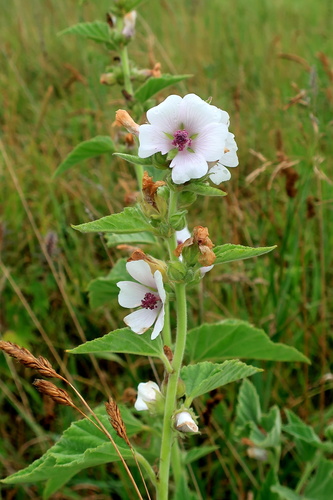


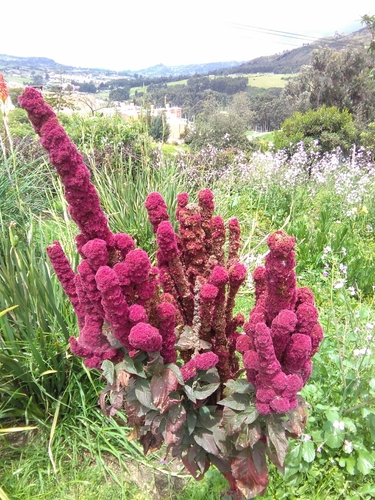
Photographs: iNaturalist contributors under the licences shown. Records: GBIF.org. Historical plates: Source Library (CC BY-SA 4.0; originals public domain). Summary text: Nature Library editors and Wikipedia (CC BY-SA). Medicinal and edibility notes are historical and educational, not advice. iNaturalist taxon 77299.