 NL·0124
Herbarium of the Nature Library
- Name
- Bacopa monnieri
- Family
- Plantaginaceae
- Native to
- Pantropical and warm-temperate wetlands of Asia, Africa, Australia and the Americas (including the southern USA)
- Habitat
- Freshwater marsh, Brackish wetland, Pond margins
Brahmi (Water hyssop)
Bacopa monnieri
Also calledBrahmi (Sanskrit/Hindi) · Jalanimba (Sanskrit) · Nirbrahmi (Tamil) · Rau đắng biển (Vietnamese) · Jiǎ mǎchǐxiàn 假马齿苋 (Chinese) · Herb of grace (English)
A small, creeping, succulent-leaved marsh herb found in wetlands across the tropics. Ayurveda prizes it as a medhya rasayana, a tonic for memory and learning, and it is one of the better-studied herbal 'nootropics'.
Bacopa monnieri, also known as water hyssop, brahmi, thyme-leafed gratiola, herb of grace, and Indian pennywort, is a perennial, creeping herb native to wetland areas globally. Wikipedia
What it can do
- iContains bacosides, saponins studied for effects on memory and the survival of nerve cells
- iiGrows submerged or emerged, rooting at every node
- iiiTolerates brackish water
- ivTakes up heavy metals from polluted water, which makes clean sourcing important
At the table
Eatenleaves and shoots (bitter herb)
Eaten as a bitter herb in parts of South and Southeast Asia. Collect only from clean water, as it accumulates heavy metals.
In the medicine cabinet
| Tradition | Use |
|---|---|
| Ayurveda | Medhya rasayana for memory, learning, anxiety and epilepsy; given as juice, ghee (brahmi ghrita) or powder |
| Siddha | Nirbrahmi for fever, nervous disorders and as a brain tonic |
| Modern phytotherapy | Standardised extracts trialled for memory in healthy adults and the elderly, with small benefits in some trials |
Weight of evidence
Moderate. Some clinical trials with promising but limited or mixed results.
Active compounds
bacoside A (bacoside A3, bacopaside II, bacopasaponin C), bacoside B, bacopasides, betulinic acid, brahmine
Fruit & seed
Fruit
Capsule
Ripens: Most of the year in the tropics
Small ovoid capsule with many tiny seeds.
Seed
<0.5 mm
Minute seeds
- Dispersal
- Water
- Germination
- Rarely grown from seed; cuttings root within days
How to grow it
Hardiness (USDA zones)
USDA 8–11 (or indoors/aquarium). Survives winters down to about -12 °C.
- Light
- Full sun to part shade
- Water
- Very high: bog, pond edge or submerged
- Soil
- Wet, muddy
- Propagation
- Stem cuttings
- To harvest
- Shoots after 2–3 months
- Climates
- Tropical, Subtropical
- 1Push stem cuttings into wet mud or a pot standing in water
- 2Keep warm (above 15 °C) and constantly wet
- 3Snip shoot tips regularly to keep it bushy
- 4Use clean water only
Can it grow where you are?
Where it lives
Recorded sightings
—
geo-referenced records in GBIF, from museums, herbaria and field observers.
Native range
Pantropical and warm-temperate wetlands of Asia, Africa, Australia and the Americas (including the southern USA)
Drag the globe to turn it. Dots are where records exist, not a range map; darker means more records.
In the old herbals & bestiaries
No plate in the Source Library names this exact species, so these show its closest relatives as the old naturalists drew them: same genus, or the same kind of plant. Click a plate to read the page it came from, with translation.


In the stacks
Searching the stacks…
Every page naming Bacopa monnieri in the Biodiversity Heritage Library →
Marginalia
The Charaka Samhita lists brahmi among the medhya (intellect-promoting) rasayanas. Scholars still debate whether some classical references to 'brahmi' meant this plant or Centella asiatica.
Curiosity
Bacopa is a common aquarium plant, and the very same species is sold in health shops as a memory tonic.
Kinship

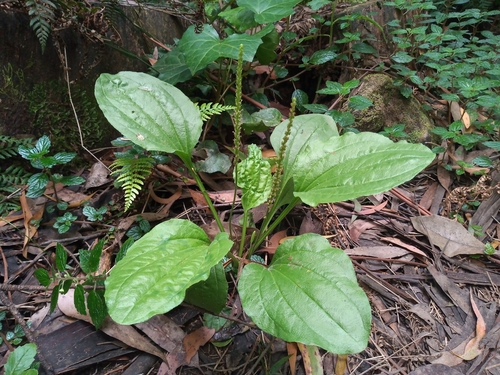
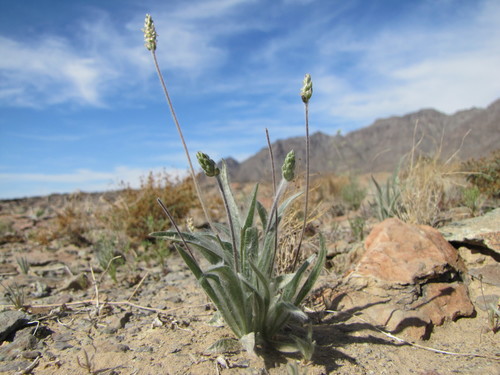

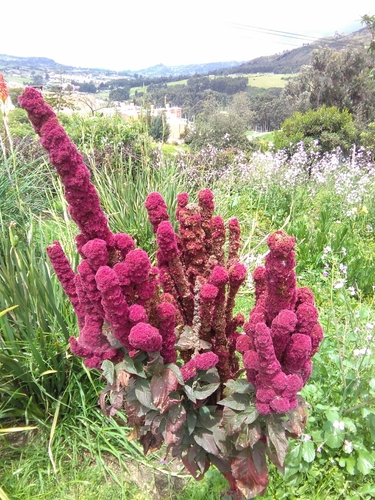
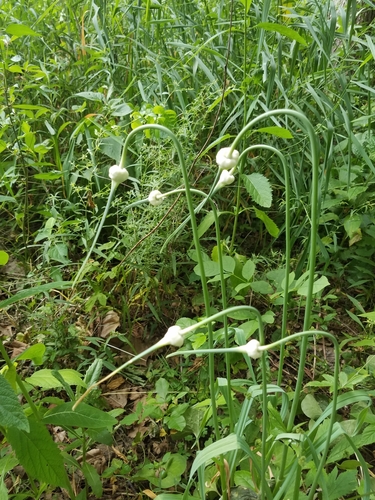
Fact-checked: 1 correction made to this sheet. Photographs: iNaturalist contributors under the licences shown. Records: GBIF.org. Historical plates: Source Library (CC BY-SA 4.0; originals public domain). Summary text: Nature Library editors and Wikipedia (CC BY-SA). Medicinal and edibility notes are historical and educational, not advice. iNaturalist taxon 75732.