- Plants
- ›Vascular Plants
- ›flowering plants
- ›Dicots
- ›geraniums, bridal wreaths, and allies
- ›Geranium family
- ›Pelargonium
- ›Pelargonium
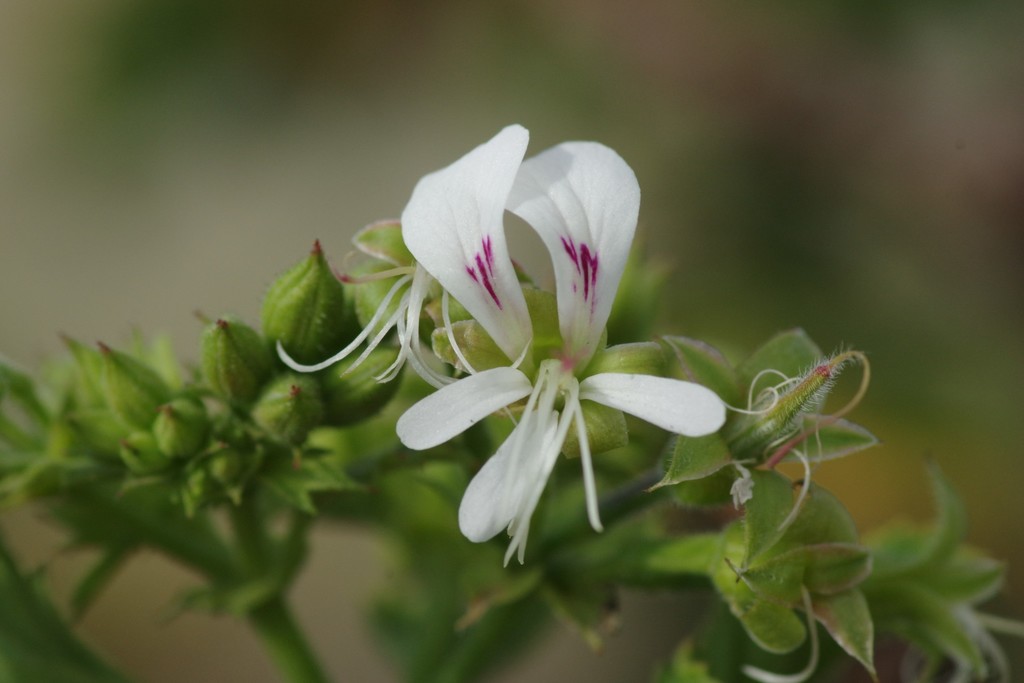
true storksbills
Pelargonium
Pelargonium () is a genus of flowering plants commonly called geraniums, pelargoniums, or storksbills. It includes about 280 species of perennials, succulents, and shrubs. Taxonomist Carl Linnaeus originally included all the species of Pelargonium and Geranium under the latter name. In 1789, Charles Louis L'Héritier de Brutelle separated them into two genera.
While Geranium species are mostly temperate herbaceous plants, dying down in winter, Pelargonium species are evergreen perennials indigenous to warm temperate and tropical regions of the world, with many species in southern Africa. They are drought and heat tolerant but can tolerate only minor frosts. Some species are extremely popular garden plants, grown as houseplants and bedding plants in temperate regions. They have a long flowering period, with flowers mostly in red, orange, or white, but intensive breeding has produced a huge array of cultivars with great variety in size, flower colour, leaf form and aromatic foliage.
26 branches of this group, most-observed first
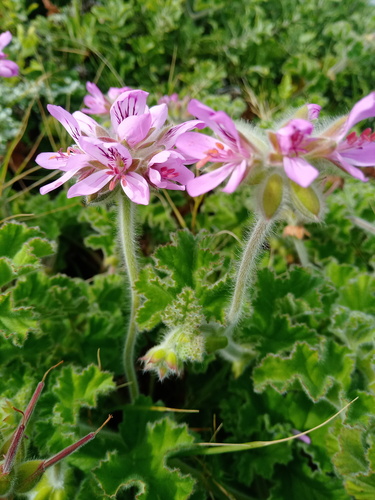
rose-scented geranium
speciesPelargonium capitatum
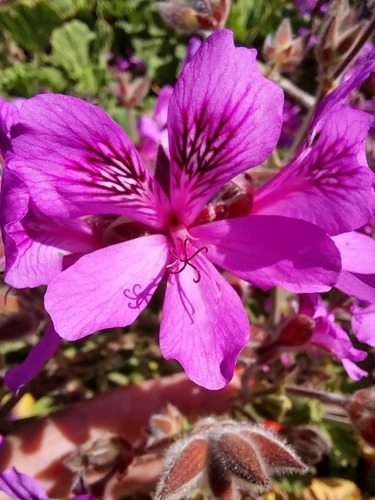
wild mallow
speciesPelargonium cucullatum
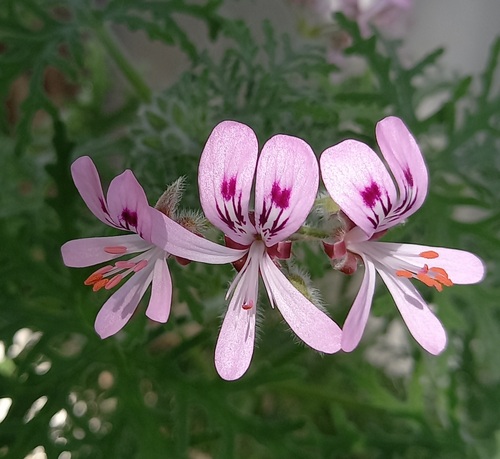
Rose-scented Geranium
speciesPelargonium graveolens

Camphor Storksbill
speciesPelargonium betulinum
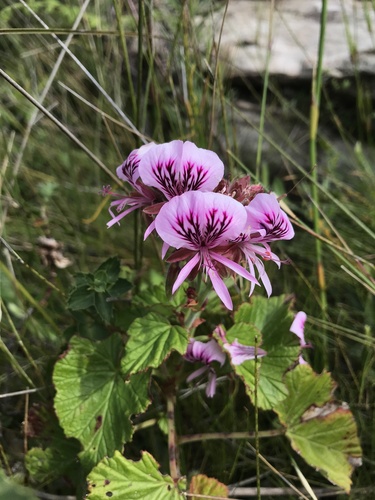
Heartleaf Storksbill
speciesPelargonium cordifolium

Sticky Storksbill
speciesPelargonium scabrum
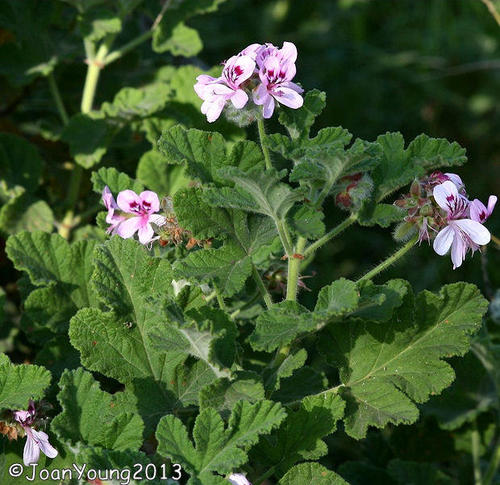
Oak-leaved geranium
speciesPelargonium panduriforme

balm-scented pelargonium
speciesPelargonium glutinosum
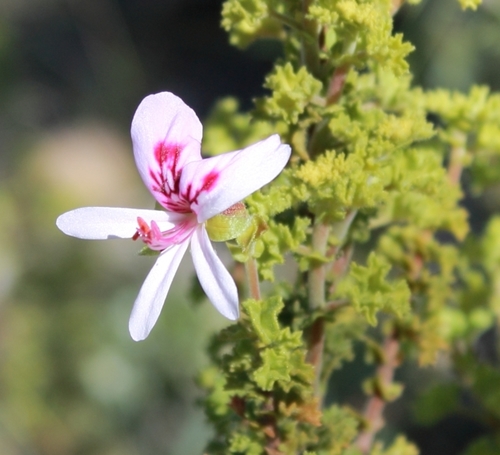
Lemon-scented Geranium
speciesPelargonium crispum

Lemonbalm Storksbill
speciesPelargonium citronellum

currantleaf storksbill
speciesPelargonium ribifolium
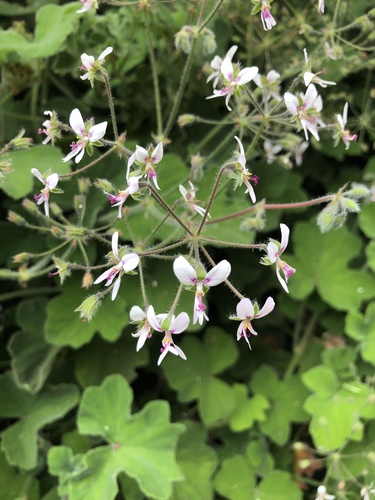
Peppermint-scented geranium
speciesPelargonium tomentosum
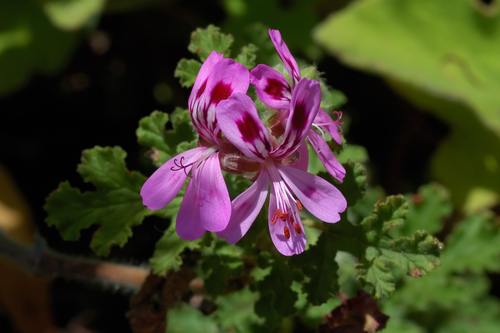
oak-leaved geranium
speciesPelargonium quercifolium
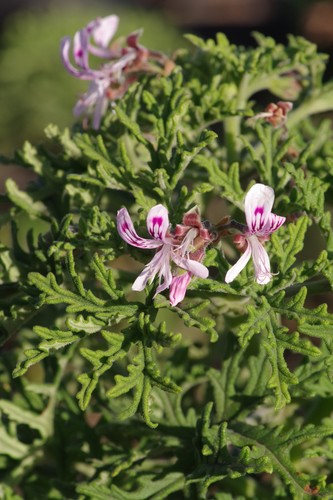
Rasp-leaf pelargonium
speciesPelargonium radens

Rose-camphor Storksbill
speciesPelargonium englerianum

Dollrose Storksbill
speciesPelargonium hermanniifolium
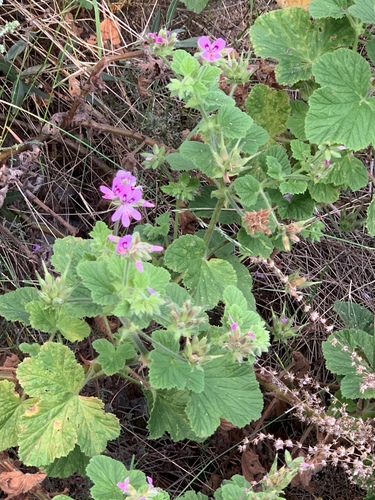
grapeleaf geranium
speciesPelargonium vitifolium

butterfly pelargonium
speciesPelargonium papilionaceum

Hispid pelargonium
speciesPelargonium hispidum

Toothy Storksbill
speciesPelargonium denticulatum
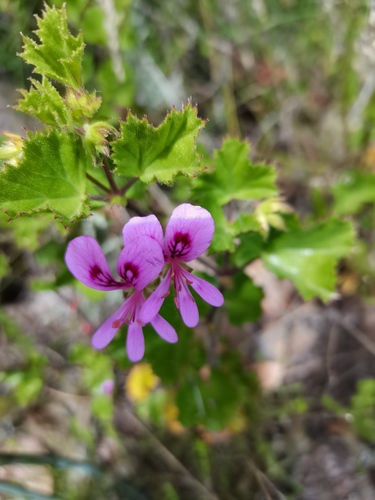
Pelargonium scabroide
speciesPelargonium scabroide
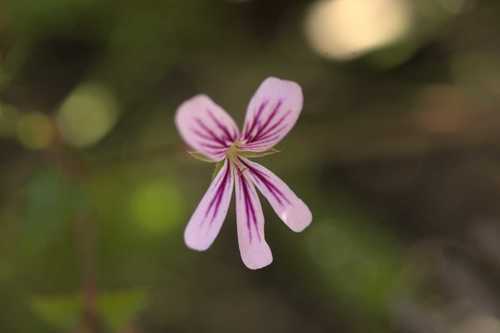
Pelargonium pseudosetulosum
speciesPelargonium pseudosetulosum

Greyton pelargonium
speciesPelargonium greytonense
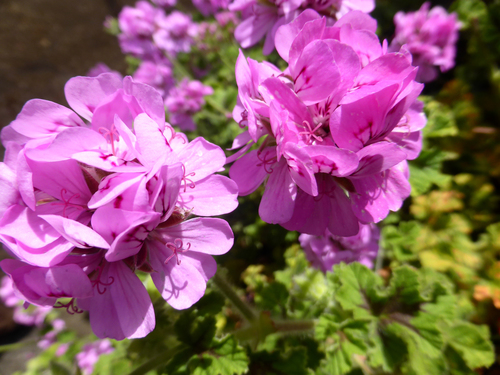
Rose Storksbill
hybridPelargonium × asperum
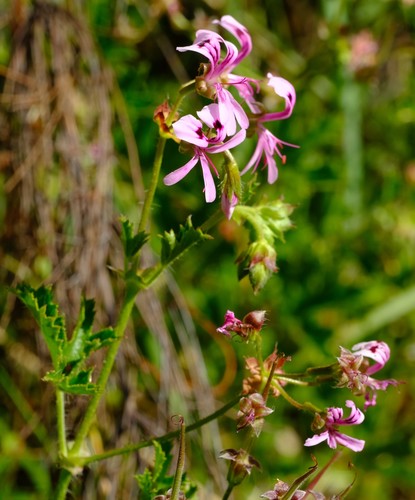
Pelargonium sublignosum
speciesPelargonium sublignosum
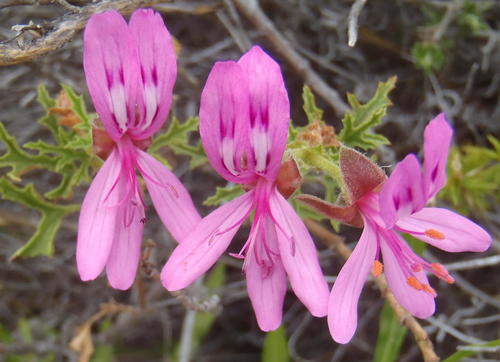
Pelargonium pseudoglutinosum
speciesPelargonium pseudoglutinosum
Where it lives
Recorded sightings
—
geo-referenced records in GBIF, from museums, herbaria and field observers.
Drag the globe to turn it. Dots are where records exist, not a range map; darker means more records.
In the old herbals & bestiaries

In the stacks
Searching the stacks…
Every page naming Pelargonium in the Biodiversity Heritage Library →
This page is assembled live from iNaturalist, GBIF, Wikipedia, the Source Library and the Internet Archive. It is not yet part of the hand-edited codex. iNaturalist taxon 719975.