- Animals
- ›Arthropods
- ›Hexapods
- ›Insects
- ›Winged and Once-winged Insects
- ›Flies
- ›Brachyceran Flies
- ›Cyclorrhaphan Flies
- ›Schizophoran Flies
- ›Calyptrate Flies
- ›Bot Flies, Blow Flies, and Allies
- ›Blow Flies
- ›Fly Pirates

Cordylobia
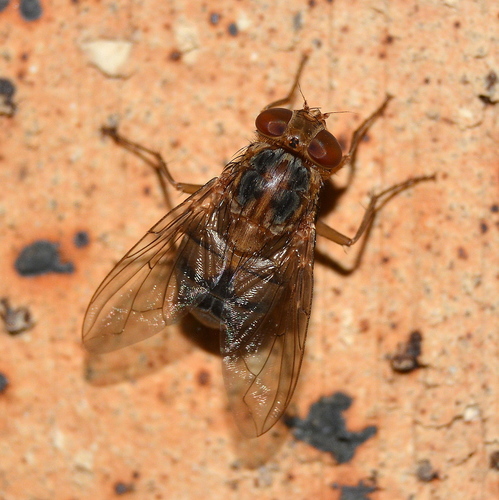
Cordylobia is a genus of flies from the family Calliphoridae. The larvae of Cordylobia are parasitic on mammals, especially rodents. Two species, C. anthropophaga (the tumbu fly) and C. rodhaini (Lund's fly), also are known as parasites of humans. The adult flies feed on rotting fruits, vegetables, and animal faeces, and are most abundant in the wet season. Like many tropical insects, they are most active in the morning and evening. Cordylobia species are largely confined to Africa, though they have been recorded elsewhere when transported by human travellers.
Where it lives
Recorded sightings
—
geo-referenced records in GBIF, from museums, herbaria and field observers.
Drag the globe to turn it. Dots are where records exist, not a range map; darker means more records.
In the stacks
Searching the stacks…
Every page naming Cordylobia in the Biodiversity Heritage Library →
This page is assembled live from iNaturalist, GBIF, Wikipedia, the Source Library and the Internet Archive. It is not yet part of the hand-edited codex. iNaturalist taxon 644427.