 NL·0087
Herbarium of the Nature Library
- Name
- Persea americana
- Family
- Lauraceae
- Native to
- South-central Mexico to Guatemala and Central America; cultivated in tropical and Mediterranean climates worldwide
- Habitat
- Tropical montane forest, Subtropical orchards
Avocado
Persea americana
Also calledĀhuacatl (Nahuatl) · Aguacate (Spanish) · Palta (Quechua/Andean Spanish) · Abacate (Portuguese) · Èlí (Chinese) · Makhan phal (Hindi, 'butter fruit') · Parachichi (Swahili)
A laurel-family tree from Mesoamerica whose oily fruit evolved, many think, to be swallowed whole by giant ground sloths and gomphotheres. Its flowers switch sex on a daily schedule to avoid self-pollination.
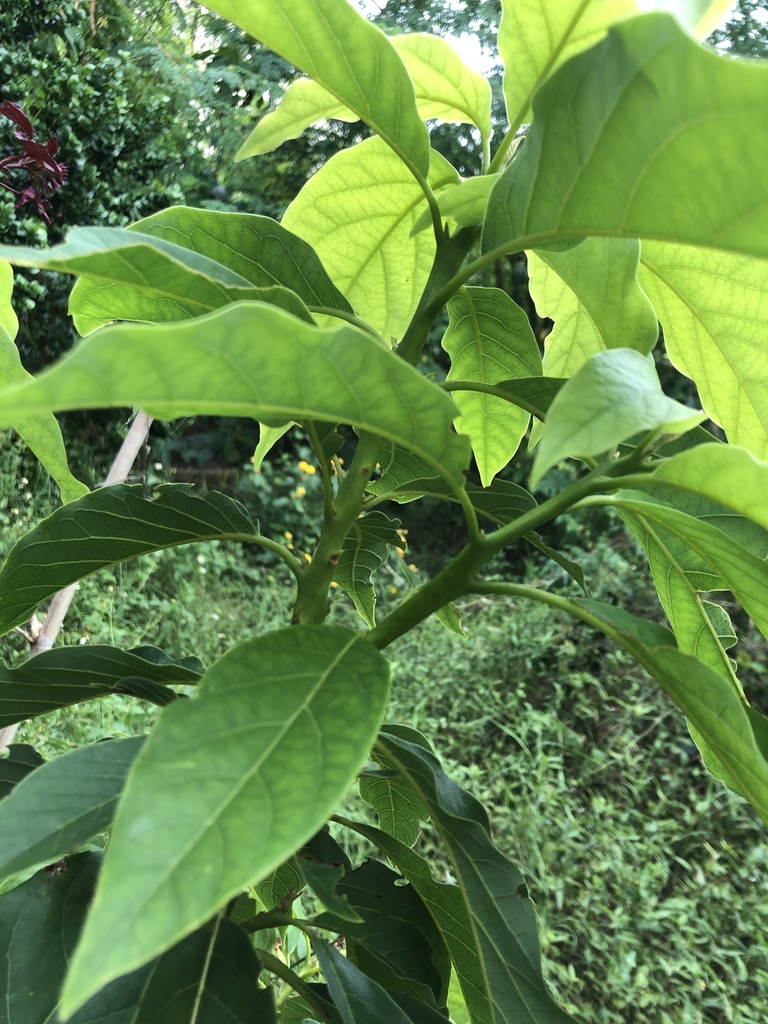
The avocado, alligator pear or avocado pear is an evergreen tree in the laurel family (Lauraceae). It is native to the Americas, with archaeological evidence of early human avocado use dating back thousands of years across various regions of Central and South America. It was prized for its large and unusually oily fruit. The native range of avocado extends from Mexico to Peru, encompassing much of Central America and parts of northern and western South America. Wikipedia
What it can do
- iSynchronous dichogamy: 'A' and 'B' varieties open as female and male at opposite times of day
- iiFruit does not ripen on the tree; it softens only after picking
- iiiFlesh can be 15–30% oil, unusually high for a fruit
- ivLeaves, bark and seed contain persin, a toxin dangerous to birds, horses and livestock
At the table
Eatenfruit flesh · leaves (dried, as a flavouring in Mexican cooking — Mexican race only)
The flesh is safe for people. Persin in leaves, skin, seed and bark is toxic to birds, rabbits, horses, goats and other livestock; the seed is not a food.
In the medicine cabinet
| Tradition | Use |
|---|---|
| Aztec / Mesoamerican | Leaves and seed used in remedies for diarrhoea and as an aphrodisiac; recorded in the Florentine Codex |
| Modern rheumatology (France) | Avocado–soybean unsaponifiables (ASU) prescribed for osteoarthritis |
Weight of evidence
Moderate. Some clinical trials with promising but limited or mixed results.
Active compounds
oleic acid, persin, β-sitosterol, lutein, avocatin B
Fruit & seed


Fruit
Berry (single-seeded)
Ripens: Varies by variety; often year-round in suitable climates
Pear-shaped to round fruit 7–20 cm, skin green to purple-black, smooth or pebbly ('Hass'); buttery pale-green to yellow flesh around one large seed.


Seed
4–6 cm
Large, round to egg-shaped seed 4–6 cm, with a thin papery brown seed coat over a hard cream-to-pinkish interior that browns when cut
- Dispersal
- Formerly megafauna; now humans and rodents
- Germination
- Clean seed, plant broad end down with the top exposed in moist mix (or suspend over water); roots in 2–6 weeks at 20–25 °C. Seedlings take 7–15 years to fruit and are unlike the parent
Photographs from Wikimedia Commons under open licences; hover for the photographer, click for the file.
How to grow it
Hardiness (USDA zones)
USDA 9b–11 (Mexican types to about −5 °C; West Indian to 0 °C). Survives winters down to about -7 °C.
- Light
- Full sun
- Water
- Moderate; regular deep watering, very sensitive to waterlogging
- Soil
- Very well-drained sandy loam, pH 5–7; avoid heavy clay (root rot)
- Propagation
- Grafting named cultivars onto seedling or clonal rootstocks
- To harvest
- 3–4 years from a grafted tree
- Climates
- Mediterranean, Subtropical, Tropical highland
- 1Buy a grafted tree; for best pollination, plant one 'A' type (e.g. 'Hass') and one 'B' type (e.g. 'Fuerte' or 'Bacon') near each other.
- 2Plant on a raised mound in full sun with superb drainage; mulch thickly with wood chips but keep mulch off the trunk.
- 3Water deeply but let the topsoil dry between waterings; protect young trees from frost and sunburn (whitewash the trunk).
- 4Prune lightly to control height; avocados drop many fruitlets naturally.
- 5Pick mature fruit (test one) and ripen indoors for 3–10 days; fruit can be 'stored' on the tree for months.
Can it grow where you are?
Where it lives
Recorded sightings
—
geo-referenced records in GBIF, from museums, herbaria and field observers.
Native range
South-central Mexico to Guatemala and Central America; cultivated in tropical and Mediterranean climates worldwide
Drag the globe to turn it. Dots are where records exist, not a range map; darker means more records.
In the old herbals & bestiaries
Woodcuts and engravings matched from the Source Library’s scanned books by name. Plates marked “relative” show a close kin rather than this exact species. Click a plate to read the page it came from, with translation.


In the stacks
Searching the stacks…
Every page naming Persea americana in the Biodiversity Heritage Library →
Marginalia
The Nahuatl word āhuacatl also meant 'testicle', likely for the fruit's shape. The 'Hass' avocado, now about 80% of world trade, traces to a single seedling tree in the garden of postman Rudolph Hass in La Habra Heights, California, patented in 1935.
Curiosity
Every 'Hass' avocado in the world is a clone of one tree, which died in 2002.
Kinship
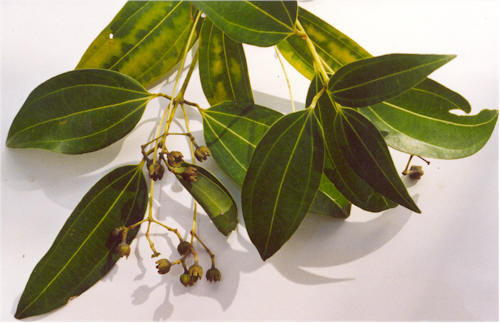

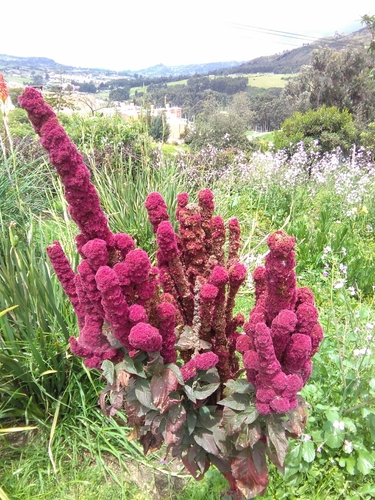
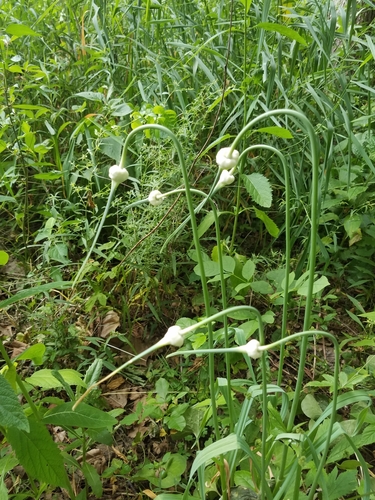


Photographs: iNaturalist contributors under the licences shown. Records: GBIF.org. Historical plates: Source Library (CC BY-SA 4.0; originals public domain). Summary text: Nature Library editors and Wikipedia (CC BY-SA). Medicinal and edibility notes are historical and educational, not advice. iNaturalist taxon 62831.