- Animals
- ›Arthropods
- ›Hexapods
- ›Insects
- ›Winged and Once-winged Insects
- ›Ants, Bees, Wasps, and Sawflies
- ›Sawflies, Horntails, and Wood Wasps
- ›Typical Sawflies
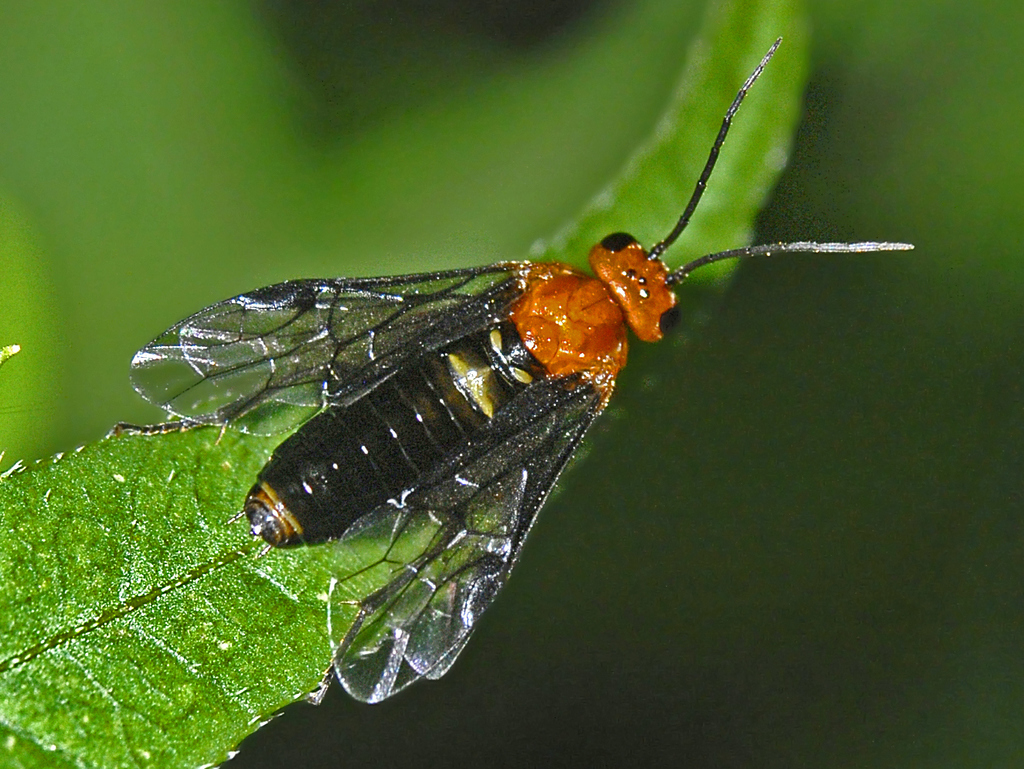
Common Sawflies
Tenthredinidae
Tenthredinidae is the largest family of sawflies, with well over 7,500 species worldwide, divided into 430 genera. Larvae are herbivores and typically feed on the foliage of trees and shrubs, with occasional exceptions that are leaf miners, stem borers, or gall makers. The larvae of externally feeding species resemble small caterpillars. As with all hymenopterans, common sawflies undergo complete metamorphosis.
The family has no easily seen diagnostic features, though the combination of five to nine antennal flagellomeres plus a clear separation of the first abdominal tergum from the metapleuron can reliably separate them. These sawflies are often black or brown, and 3 to 20 mm long. Like other sawflies, they lack the slender "wasp-waist", or petiole, between the thorax and abdomen, characteristic of many hymenopterans. The mesosoma and the metasoma are instead broadly joined. The Tenthredinidae are also often somewhat dorsoventrally flattened, which will distinguish them at least from the slender cephids (which, together with the common sawflies, comprise many of the Nearctic species of Symphyta).
7 branches of this family, most-observed first

Tenthredininae
subfamilyTenthredininae

Nematinae
subfamilyNematinae

Allantinae
subfamilyAllantinae
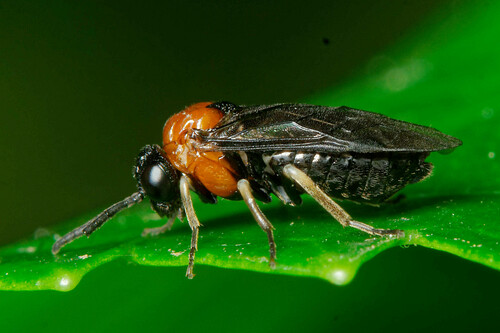
Blennocampinae
subfamilyBlennocampinae

Selandriinae
subfamilySelandriinae

Athaliinae
subfamilyAthaliinae
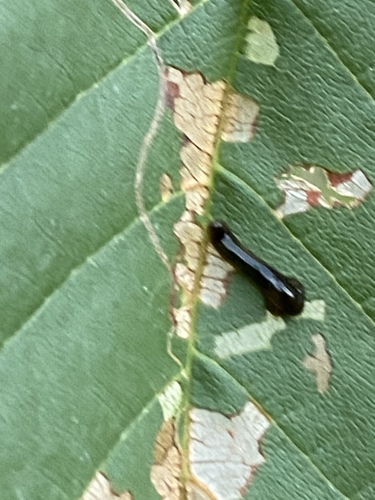
Heterarthrinae
subfamilyHeterarthrinae
Where it lives
Recorded sightings
—
geo-referenced records in GBIF, from museums, herbaria and field observers.
Drag the globe to turn it. Dots are where records exist, not a range map; darker means more records.
In the stacks
Searching the stacks…
Every page naming Tenthredinidae in the Biodiversity Heritage Library →
This page is assembled live from iNaturalist, GBIF, Wikipedia, the Source Library and the Internet Archive. It is not yet part of the hand-edited codex. iNaturalist taxon 60628.