- Animals
- ›Arthropods
- ›Hexapods
- ›Insects
- ›Winged and Once-winged Insects
- ›Ants, Bees, Wasps, and Sawflies
- ›Narrow-waisted Wasps, Ants, and Bees
- ›Ants, Bees, and Stinging Wasps
- ›Bees and Apoid Wasps
- ›Bees
- ›Honey Bees, Bumble Bees, and Allies
- ›Apine Bees
- ›Centridini
- ›Centris
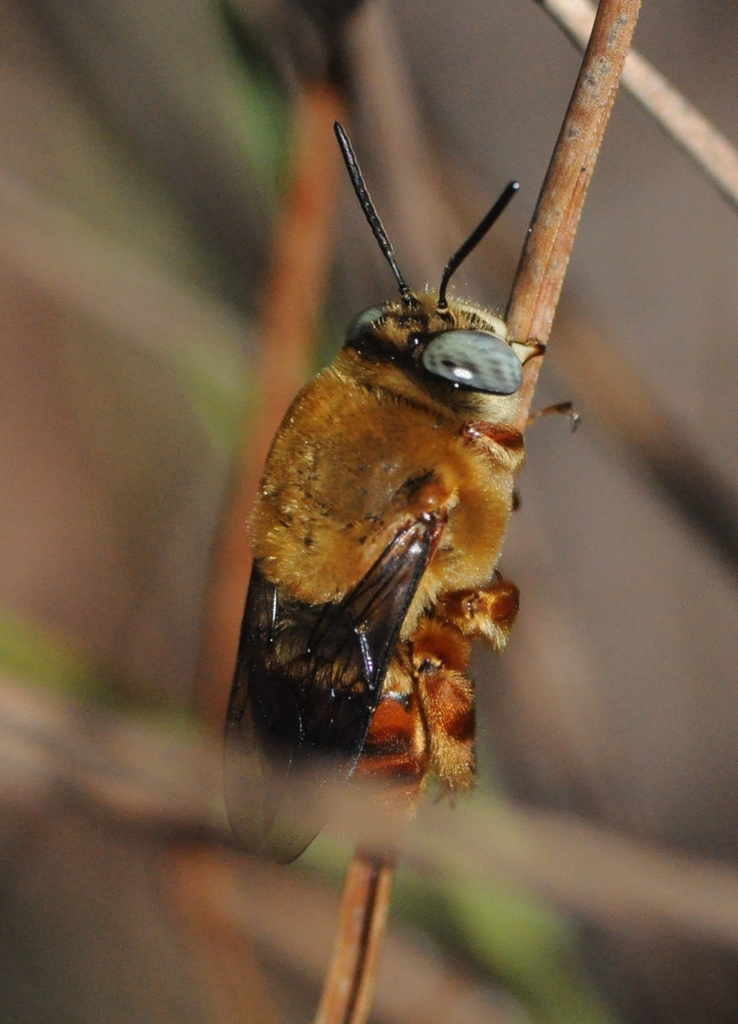
Centris
The genus Centris contains circa 250 species of large apid bees occurring in the Neotropical and Nearctic realms, from Kansas to Argentina. Most females of these bees possess adaptations for carrying floral oils rather than (or in addition to) pollen or nectar. They mainly visit plants of the family Malpighiaceae to collect oil, but also visit others such as Plantaginaceae, Calceolariaceae, and Krameriaceae. Recent studies have shown they are sister to the corbiculate bees, the most well-known and economically important group of bees.
They are large (up to 3 cm), fast-flying bees, distinguished from the closely related genus Epicharis by the absence of long, whip-like setae that project backwards from just behind the eyes. They are commonly encountered bees in American deserts, and are active at very high ambient temperatures when many other species are in hiding. They can often be seen in large numbers on desert-willow (Chilopsis) and palo verde (Parkinsonia) blossoms. Bees of this genus are of some economical significance in pollinating crops such as Brazil nuts (Bertholletia excelsa) and cashews (Anacardium occidentale, pollinated by C. tarsata among others).
27 branches of this group, most-observed first
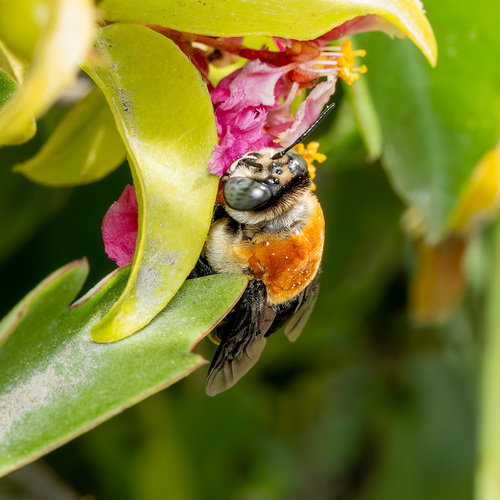
Centris decolorata
speciesCentris decolorata
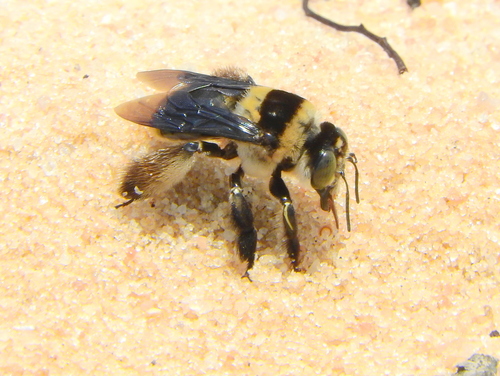
Centris flavifrons
speciesCentris flavifrons

Centris varia
speciesCentris varia
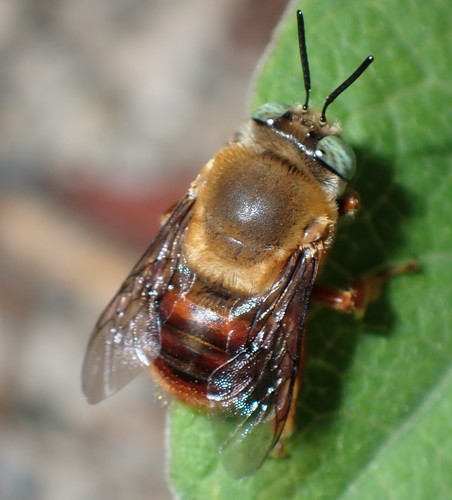
Centris errans
speciesCentris errans

Centris flavofasciata
speciesCentris flavofasciata

Centris aethyctera
speciesCentris aethyctera

Centris aenea
speciesCentris aenea

Centris maculifrons
speciesCentris maculifrons

Centris testacea
speciesCentris testacea
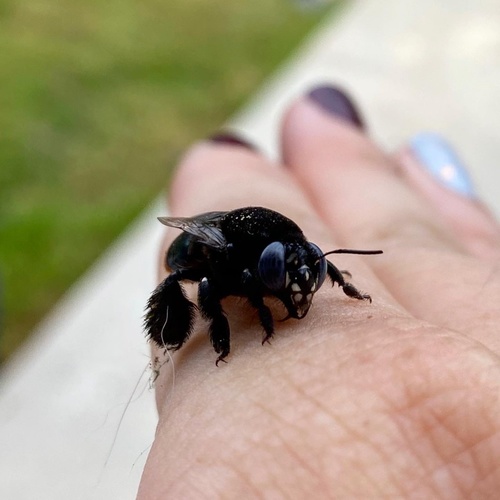
Centris haemorrhoidalis
speciesCentris haemorrhoidalis

Centris poecila
speciesCentris poecila

Centris taina
speciesCentris taina

Centris smithii
speciesCentris smithii
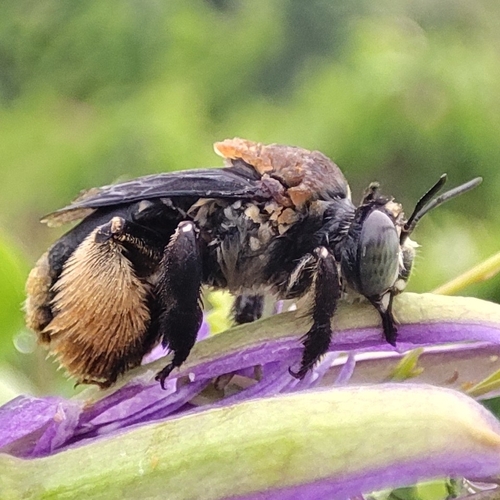
Centris leprieurii
speciesCentris leprieurii

Centris adani
speciesCentris adani
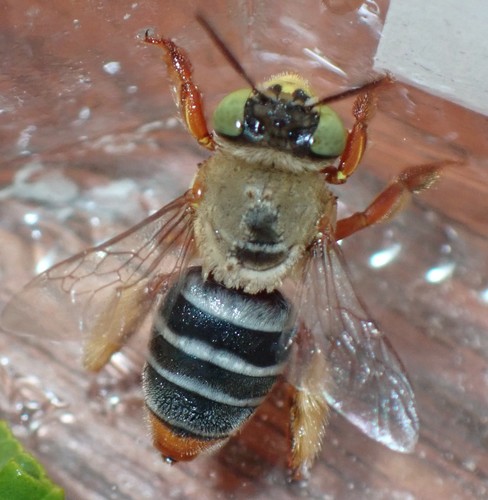
Centris niveofasciata
speciesCentris niveofasciata

Centris versicolor
speciesCentris versicolor

Centris meaculpa
speciesCentris meaculpa

Centris dirrhoda
speciesCentris dirrhoda
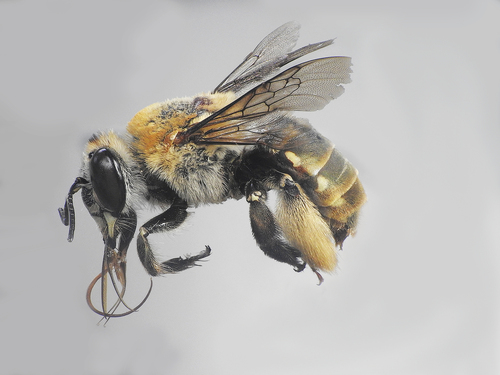
Centris caxiensis
speciesCentris caxiensis
Centris fasciata
speciesCentris fasciata
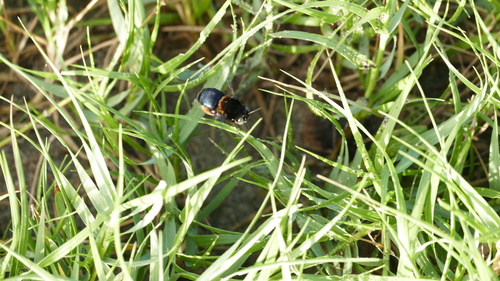
Centris elegans
speciesCentris elegans

Centris eisenii
speciesCentris eisenii

Centris nitens
speciesCentris nitens
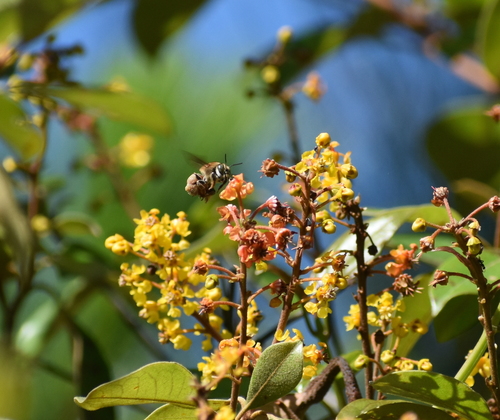
Centris obscurior
speciesCentris obscurior
Centris insularis
speciesCentris insularis
Centris nigrofasciata
speciesCentris nigrofasciata
Where it lives
Recorded sightings
—
geo-referenced records in GBIF, from museums, herbaria and field observers.
Drag the globe to turn it. Dots are where records exist, not a range map; darker means more records.
In the stacks
Searching the stacks…
Every page naming Centris in the Biodiversity Heritage Library →
This page is assembled live from iNaturalist, GBIF, Wikipedia, the Source Library and the Internet Archive. It is not yet part of the hand-edited codex. iNaturalist taxon 578099.