- Animals
- ›Arthropods
- ›Hexapods
- ›Insects
- ›Winged and Once-winged Insects
- ›Ants, Bees, Wasps, and Sawflies
- ›Narrow-waisted Wasps, Ants, and Bees
- ›Ants, Bees, and Stinging Wasps
- ›Bees and Apoid Wasps
- ›Bees
- ›Honey Bees, Bumble Bees, and Allies
- ›Apine Bees
- ›Centridini

Centris
The genus Centris contains circa 250 species of large apid bees occurring in the Neotropical and Nearctic regions, from Kansas to Argentina. Most females of these bees possess adaptations for carrying floral oils rather than (or in addition to) pollen or nectar. They visit mainly plants of the family Malpighiaceae to collect oil, but also Plantaginaceae, Calceolariaceae, Krameriaceae and others. Recent studies have shown they are sister to the corbiculate bees, the most well-known and economically...
17 branches of this genus, most-observed first

Paracentris
subgenusParacentris

Centris
subgenusCentris
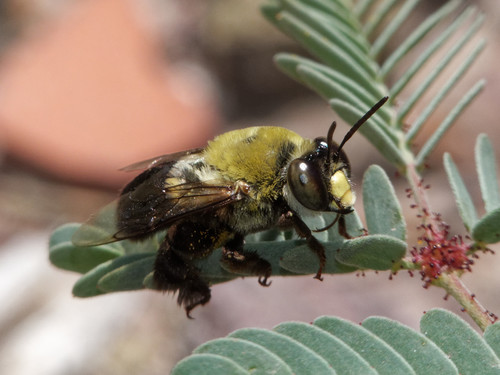
Hemisiella
subgenusHemisiella
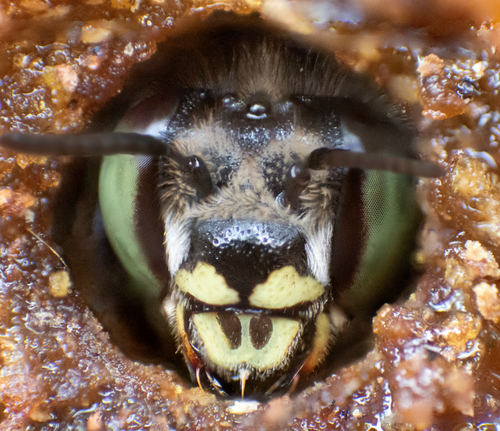
Heterocentris
subgenusHeterocentris

Trachina
subgenusTrachina
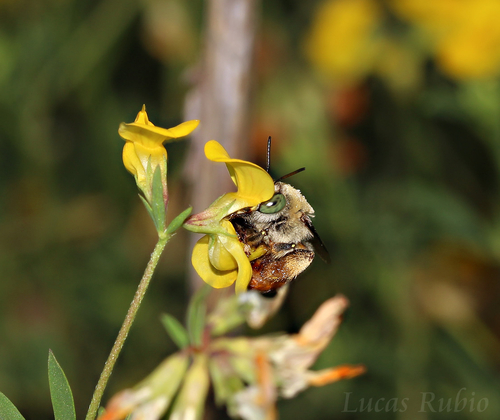
Penthemisia
subgenusPenthemisia
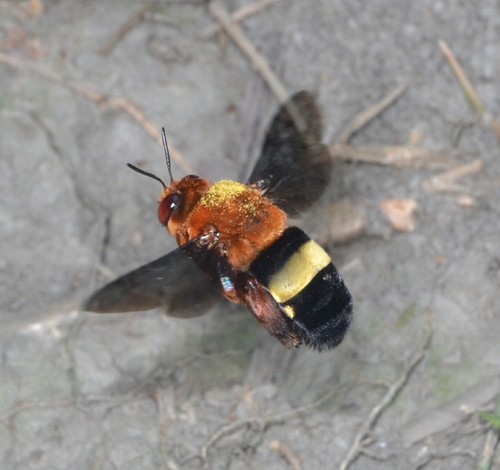
Melanocentris
subgenusMelanocentris

Ptilotopus
subgenusPtilotopus
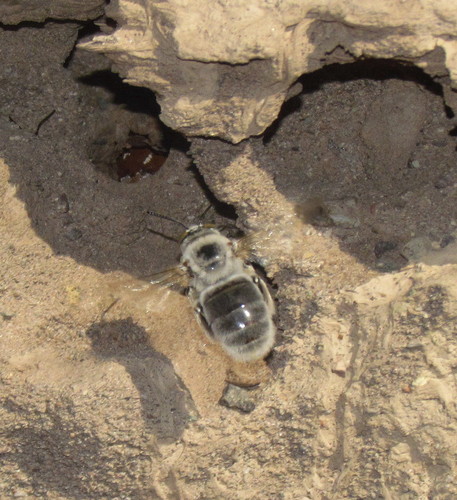
Wagenknechtia
subgenusWagenknechtia

Ptilocentris
subgenusPtilocentris
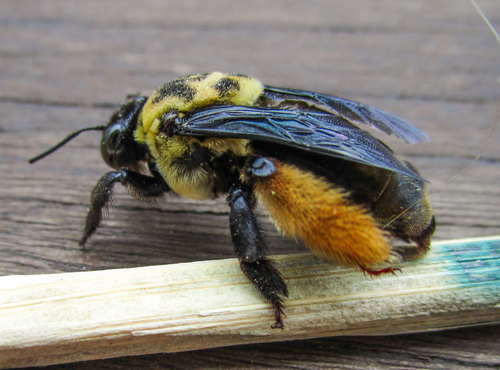
Aphemisia
subgenusAphemisia

Xanthemisia
subgenusXanthemisia

Schisthemisia
subgenusSchisthemisia
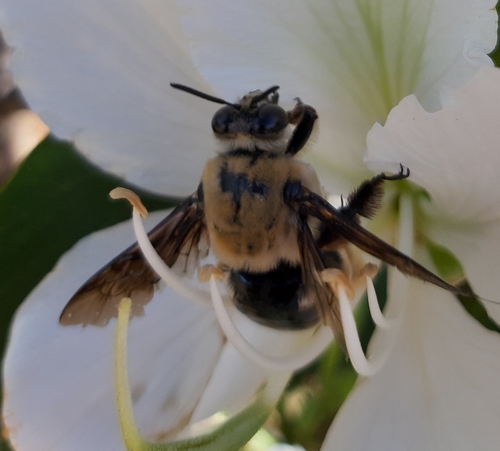
Odontoxys
subgenusOdontoxys
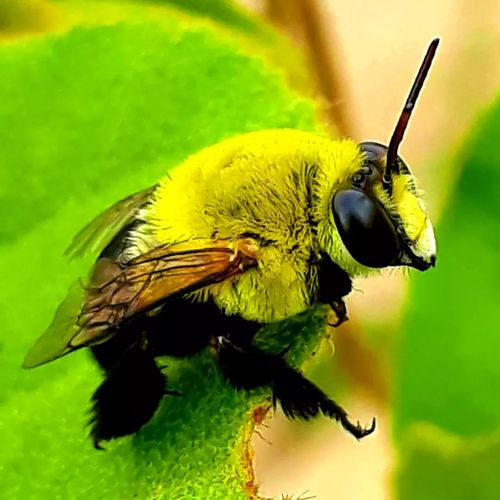
Relicthemisia
subgenusRelicthemisia
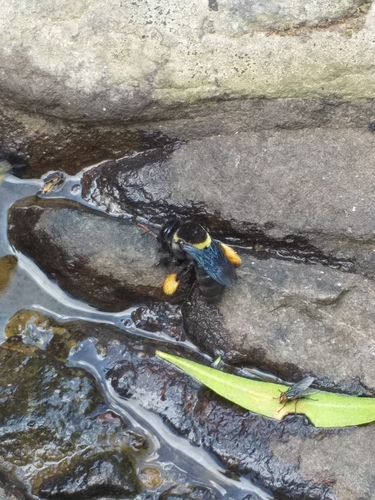
Centris rufipes
speciesCentris rufipes
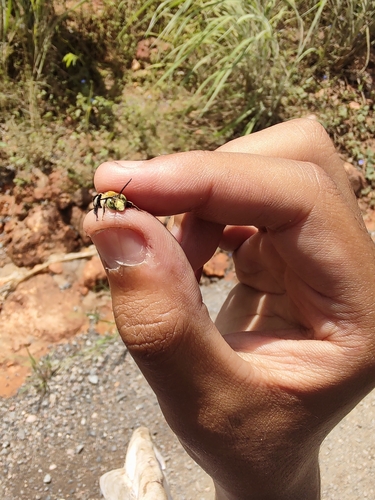
Anisoctenodes
subgenusAnisoctenodes
Where it lives
Recorded sightings
—
geo-referenced records in GBIF, from museums, herbaria and field observers.
Drag the globe to turn it. Dots are where records exist, not a range map; darker means more records.
In the stacks
Searching the stacks…
Every page naming Centris in the Biodiversity Heritage Library →
This page is assembled live from iNaturalist, GBIF, Wikipedia, the Source Library and the Internet Archive. It is not yet part of the hand-edited codex. iNaturalist taxon 174417.