- Animals
- ›Arthropods
- ›Hexapods
- ›Insects
- ›Winged and Once-winged Insects
- ›Flies
- ›Nematoceran Flies
- ›Gnats and Allies
- ›Fungus Gnats and Gall Midges
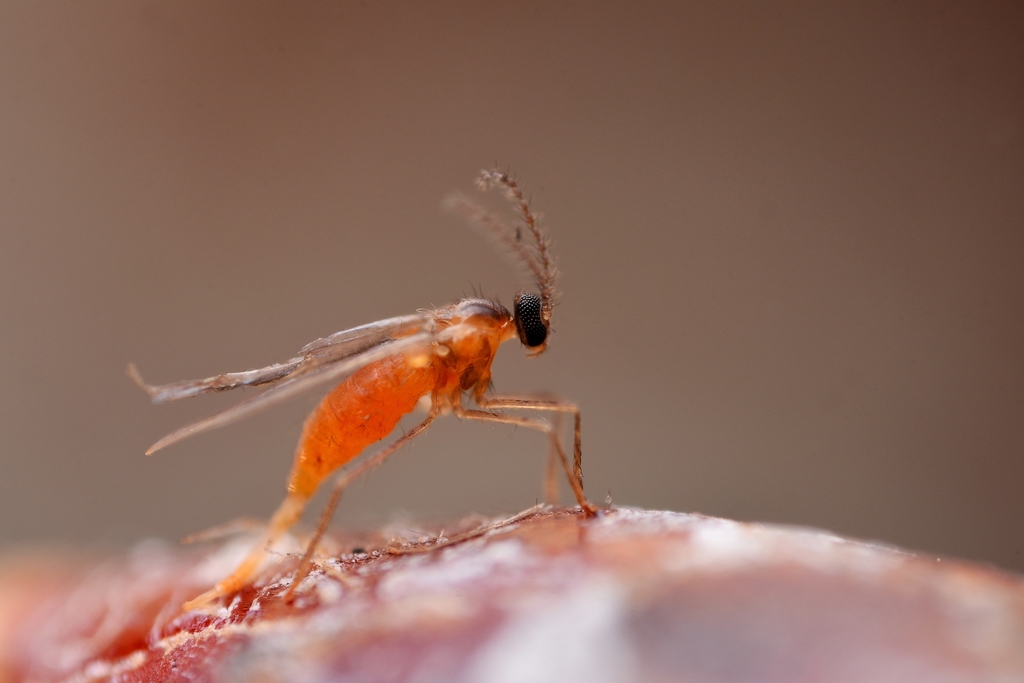
Gall and Forest Midges
Cecidomyiidae
Cecidomyiidae is a family of flies known as gall midges or gall gnats. As the name implies, the larvae of most gall midges feed within plant tissue, creating abnormal plant growths called galls. Cecidomyiidae are very fragile small insects usually only 2–3 mm (0.079–0.118 in) in length; many are less than 1 mm (0.039 in) long. They are characterised by hairy wings, unusual in the order Diptera, and have long antennae. Some Cecidomyiids are also known for the strange phenomenon of paedogenesis in which the larval stage reproduces without maturing first. In some species, the daughter larvae consume the mother, while in others, reproduction occurs later on in the egg or pupa.
More than 6,650 species and 830 genera are described worldwide, though this is certainly an underestimate of the actual diversity of this family. A DNA metabarcoding study published in 2016 estimated the fauna of Canada alone to be in excess of 16,000 species, hinting at a staggering global count of over 1 million cecidomyiid species that have yet to be described, which would make it the most speciose single family in the entire animal kingdom. A second similar metabarcoding study performed in Costa Rica also found Cecidomyiidae to be the most diverse family of flies, supporting this assertion. A third metabarcoding study in 2023 concluded that Cecidomyiidae are the single most diverse family collected from malaise traps all around the world and are a dominant component of insect diversity, comprising about 20% of all species collected.
37 branches of this family, most-observed first
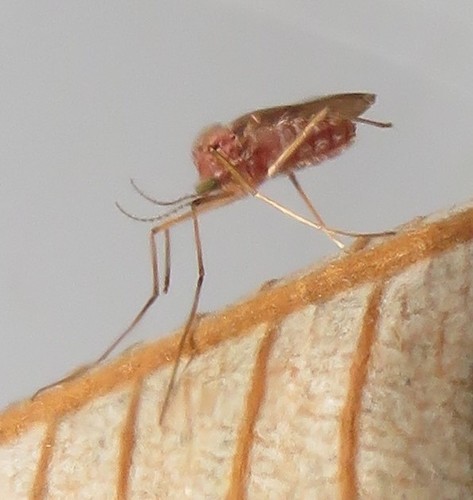
Gall Midges
subfamilyCecidomyiinae
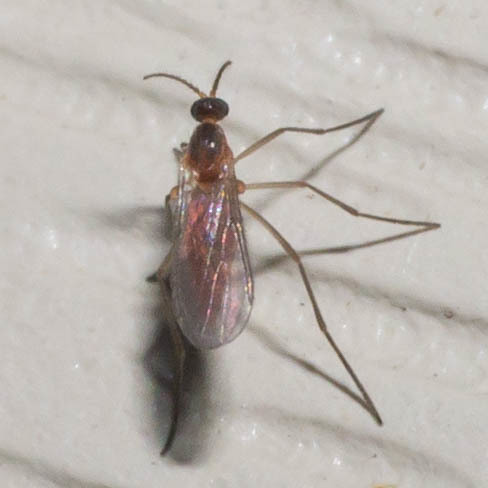
Lestremiine Wood Midges
subfamilyLestremiinae
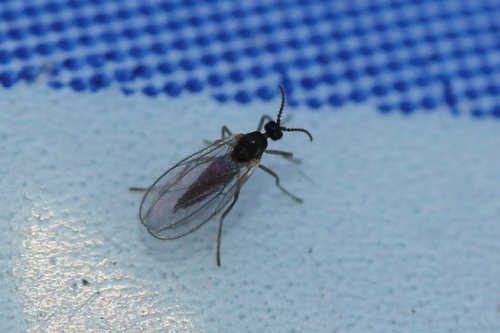
Micromyine Wood Midges
subfamilyMicromyinae
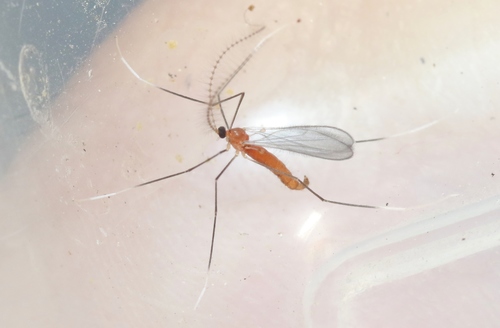
Porricondylinae
subfamilyPorricondylinae
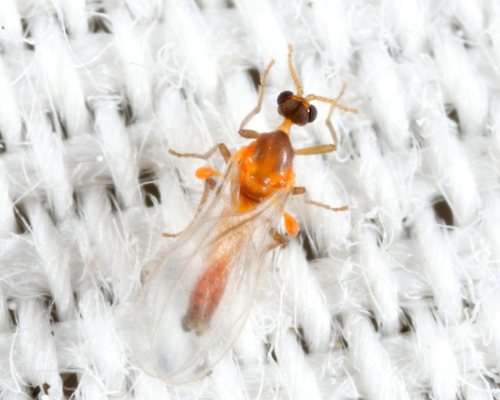
Winnertziinae
subfamilyWinnertziinae
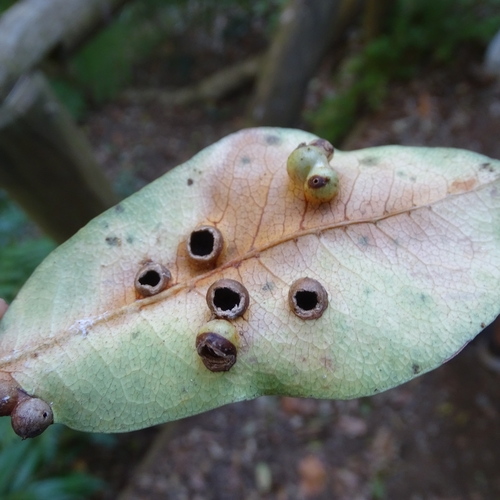
Angeiomyia
genusAngeiomyia
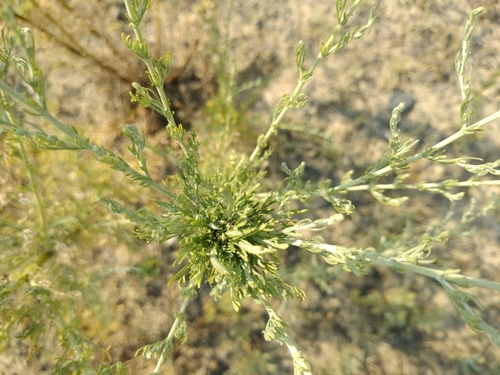
Seriphidomyia
genusSeriphidomyia
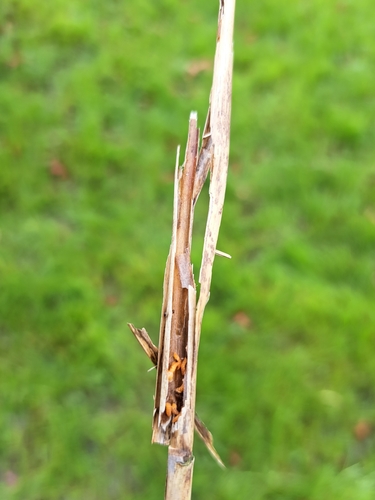
Microlasioptera
genusMicrolasioptera
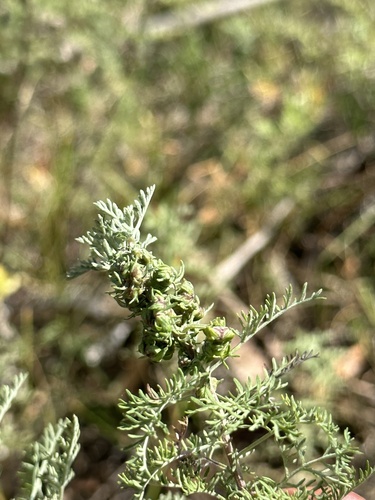
Dracunculomyia
genusDracunculomyia
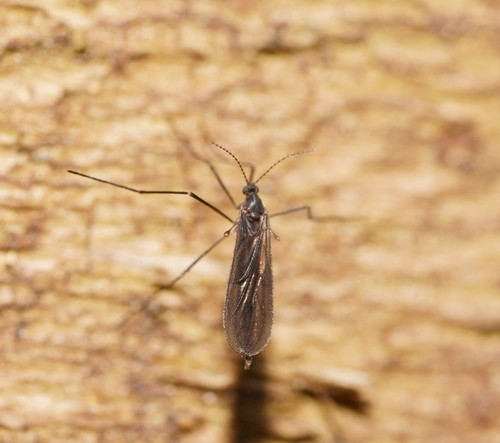
Catotrichinae
subfamilyCatotrichinae
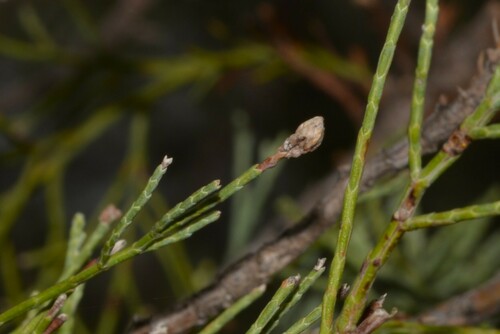
Callitridiplosis
genusCallitridiplosis
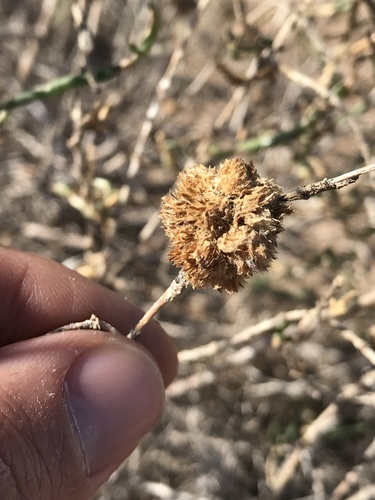
Aridofavilla
genusAridofavilla
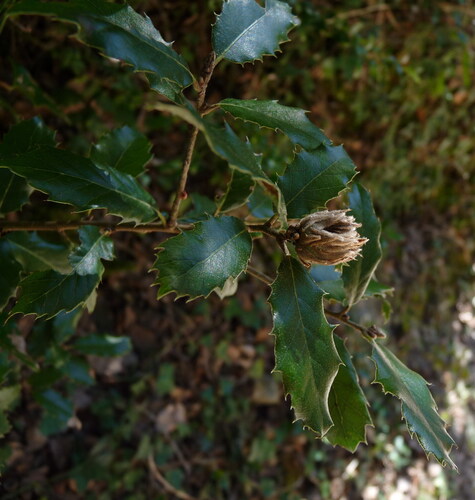
Blastodiplosis
genusBlastodiplosis
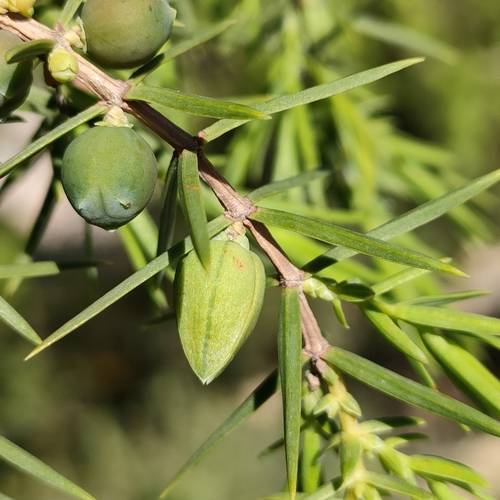
Arceuthomyia
genusArceuthomyia
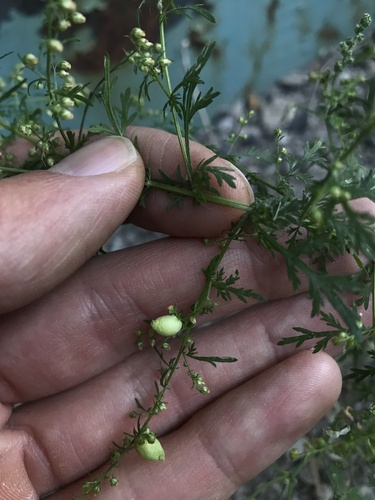
Pupascleromyia
genusPupascleromyia
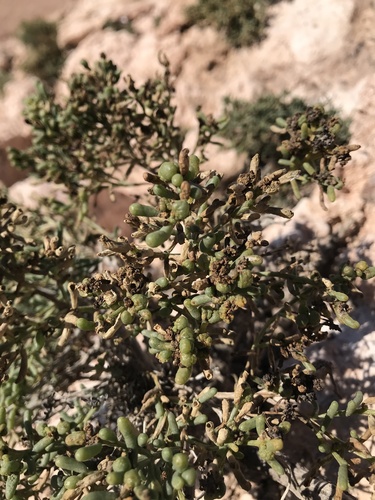
Halocnemomyia
genusHalocnemomyia
Silvestrina
genusSilvestrina
Coccodiplosis
genusCoccodiplosis
Endopsylla
genusEndopsylla
Synepidosis
genusSynepidosis
Prosepidosis
genusProsepidosis
Pterepidosis
genusPterepidosis
Paracolpodia
genusParacolpodia
Parwinnertzia
genusParwinnertzia
Neotetraneuromyia
genusNeotetraneuromyia
Heteropezina
genusHeteropezina
Coccopsis
genusCoccopsis
Colpodia
genusColpodia
Cordylomyia
genusCordylomyia
Orthodiplosis
genusOrthodiplosis
Halimodendromyia
genusHalimodendromyia
Pumilomyia
genusPumilomyia
Cryptoxylomyia
genusCryptoxylomyia
Acerovesiculomyia
genusAcerovesiculomyia
Oxycephalomyia
genusOxycephalomyia
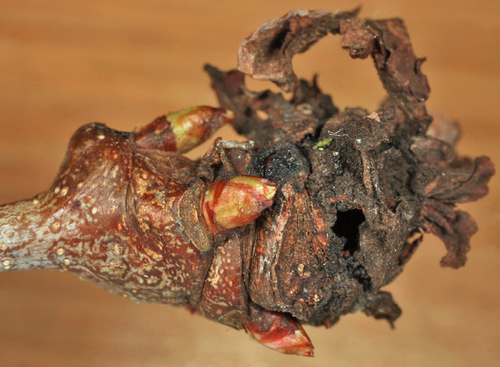
Apagodiplosis
genusApagodiplosis
Dictyomyia
genusDictyomyia
Where it lives
Recorded sightings
—
geo-referenced records in GBIF, from museums, herbaria and field observers.
Drag the globe to turn it. Dots are where records exist, not a range map; darker means more records.
In the stacks
Searching the stacks…
Every page naming Cecidomyiidae in the Biodiversity Heritage Library →
This page is assembled live from iNaturalist, GBIF, Wikipedia, the Source Library and the Internet Archive. It is not yet part of the hand-edited codex. iNaturalist taxon 55699.