 NL·0274
Herbarium of the Nature Library
- Name
- Ardea herodias
- Family
- Ardeidae
- Native to
- Alaska and southern Canada through the US and Mexico to Central America, the West Indies and northern South America; also the Galápagos
- Habitat
- Freshwater marsh, Lakes and rivers, Salt marsh, Mangrove
On eBird ↗
Great Blue Heron
Live sightings near you, the range map, bar charts of when it is seen, and Macaulay Library photos and recordings.
Great blue heron
Ardea herodias
Also calledGarza morena (Spanish) · Garzón cenizo (Spanish) · Grand Héron (French)
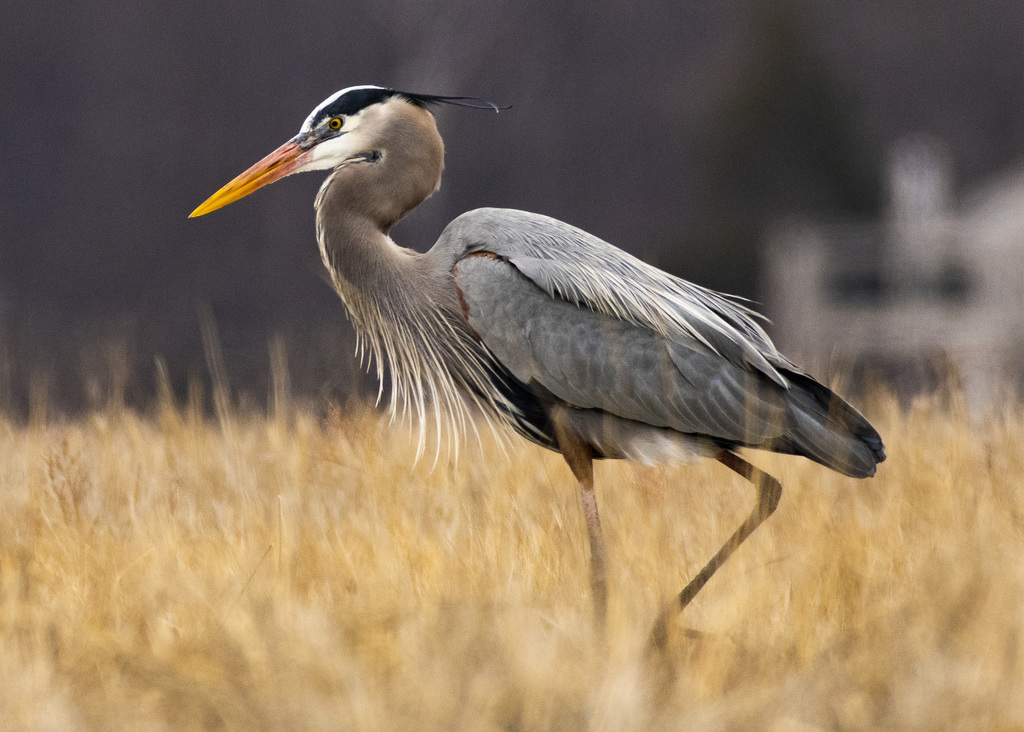
The largest heron in North America, a patient, statuesque hunter of marshes, lakes and coasts. It strikes fish with a lightning thrust of its dagger bill and swallows them whole.
The great blue heron is a large wading bird in the heron family (Ardeidae), common near shores of open water and wetlands over most of North and Central America, as well as Northwestern South America, the Caribbean, and the Galápagos Islands. It is occasionally found in the Azores and is a rare vagrant to Europe. An all-white population found in South Florida, the Florida Keys, and the Caribbean islands, is known as the great white heron. Debate exists about whether these white birds are a color morph of the great blue heron, a subspecies of it, or an entirely separate species. Wikipedia
What it can do
- iSpecialised neck vertebrae allow a sudden, spring-loaded strike
- iiHunts by day and night, aided by many rod cells in its eyes
- iiiNests colonially in heronries that can hold hundreds of nests high in trees
- ivSwallows prey up to large fish, rodents and even small birds
In the field
Field marks
- aTall, blue-grey heron with a long neck and dagger-like yellow bill
- bWhite face with a black stripe extending into head plumes
- cRufous thighs and edge of the wing
- dFlies with slow wingbeats, neck folded in an S, legs trailing
- Voice
- A deep, harsh croak 'frahnk' when disturbed; bill-clattering at colonies.
- Not to be confused with
- Sandhill Crane flies with neck outstretched and has a red crown. Grey Heron (Eurasia) lacks rufous thighs. Little Blue Heron is much smaller and darker. White form vs Great Egret: Great Egret has black legs and is slimmer.
- Where to see it
- Wetlands throughout North America — e.g. the Everglades, Chesapeake Bay, San Francisco Bay, Pacific Northwest heronries.
- When
- Resident in much of the US; northern birds migrate south in winter
Listen
Looking for field recordings…
Life & habits
- Diet
- Fish, frogs, crayfish, rodents, snakes, insects
- Habitat
- Almost any shallow fresh or salt water
- Size
- 97–137 cm; wingspan 167–201 cm; 2.1–2.5 kg
- Lifespan
- Banding record about 24 years
An all-white form, the 'Great White Heron', lives in the Florida Keys and Caribbean.
Where it lives
Recorded sightings
—
geo-referenced records in GBIF, from museums, herbaria and field observers.
Native range
Alaska and southern Canada through the US and Mexico to Central America, the West Indies and northern South America; also the Galápagos
Drag the globe to turn it. Dots are where records exist, not a range map; darker means more records.
In the old herbals & bestiaries
Woodcuts and engravings matched from the Source Library’s scanned books by name. Plates marked “relative” show a close kin rather than this exact species. Click a plate to read the page it came from, with translation.


In the stacks
Searching the stacks…
Every page naming Ardea herodias in the Biodiversity Heritage Library →
Marginalia
Curiosity
Despite standing over a metre tall, it typically weighs only about 2–2.5 kg, thanks to hollow bones.
Kinship

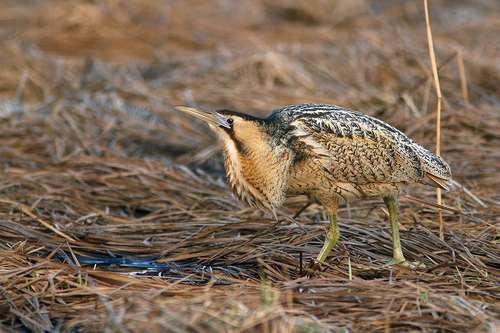

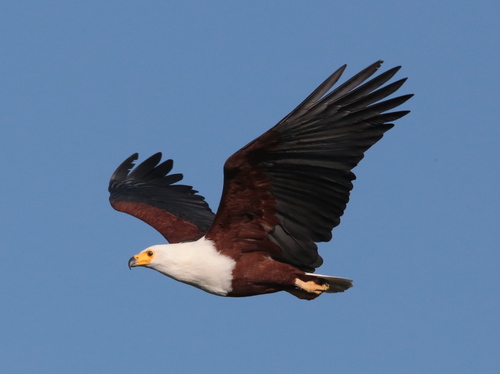
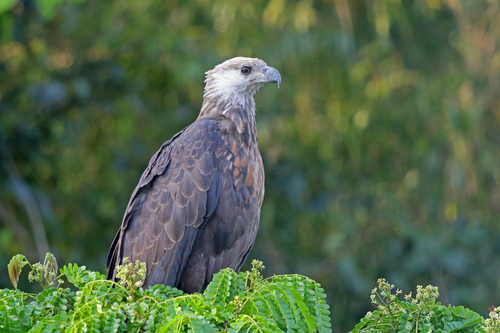

Photographs: iNaturalist contributors under the licences shown. Records: GBIF.org. Historical plates: Source Library (CC BY-SA 4.0; originals public domain). Summary text: Nature Library editors and Wikipedia (CC BY-SA). Medicinal and edibility notes are historical and educational, not advice. iNaturalist taxon 4956.