- Animals
- ›Arthropods
- ›Hexapods
- ›Insects
- ›Winged and Once-winged Insects
- ›True Bugs, Hoppers, Aphids, and allies
- ›True Hoppers
- ›Spittlebugs, Cicadas, Leafhoppers and Treehoppers
- ›Leafhoppers and Treehoppers
- ›Typical Leafhoppers
- ›Sharpshooters
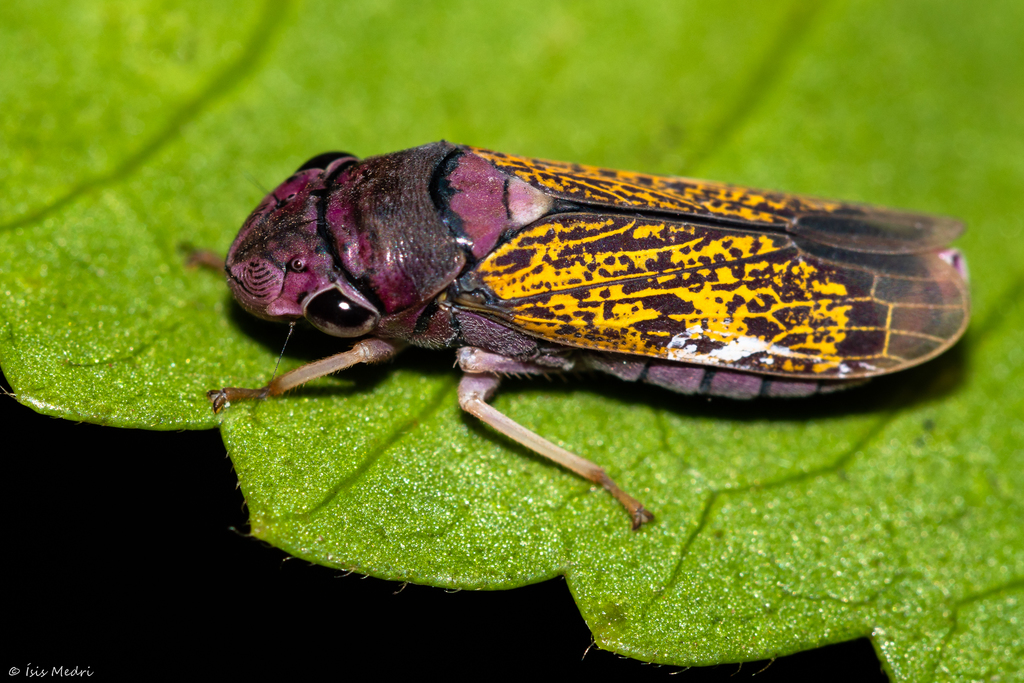
Proconiini
The name sharpshooter is used to refer to any of various genera and species of large leafhoppers in the tribe Proconiini of the family Cicadellidae. As with all cicadellids, they have piercing-sucking mouthparts and closely spaced rows of fine spines on their hind legs. The nymphs feed by inserting their needle-like mouthparts into the xylem of the small stems on the plant where the eggs were deposited; the adults have wings and are highly mobile, and most feed on a variety of different plant species. Both nymphs and adults filter a huge volume of dilute liquid through their digestive system to extract the trace nutrients, and much of the water and carbohydrates are squirted forcibly away from the body in a fine stream of droplets, thus earning them their common name.
This group includes a few species which are plant pests, the most serious of which is Homalodisca vitripennis (glassy-winged sharpshooter). A bacterial plant pathogen, Xylella fastidiosa, is carried by this species, and is linked to many plant diseases, including phoney peach disease in the southern United States, oleander leaf scorch and Pierce's disease in California, and citrus X disease (citrus variegated chlorosis) in Brazil.
60 branches of this tribe, most-observed first

Homalodisca
genusHomalodisca

Oncometopia
genusOncometopia

Cuerna
genusCuerna

Paraulacizes
genusParaulacizes

Acrogonia
genusAcrogonia
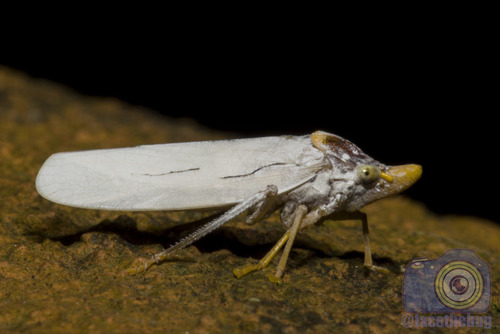
Diestostemma
genusDiestostemma
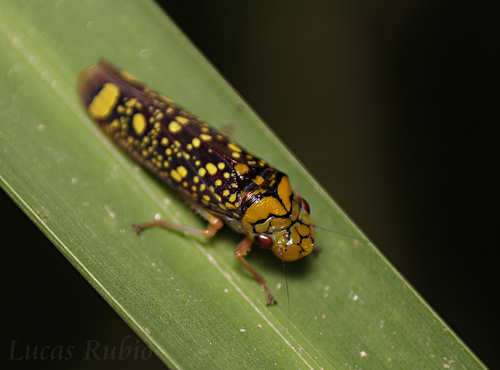
Aulacizes
genusAulacizes

Tretogonia
genusTretogonia
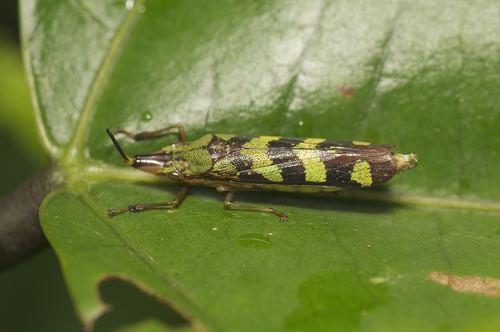
Raphirhinus
genusRaphirhinus

Molomea
genusMolomea
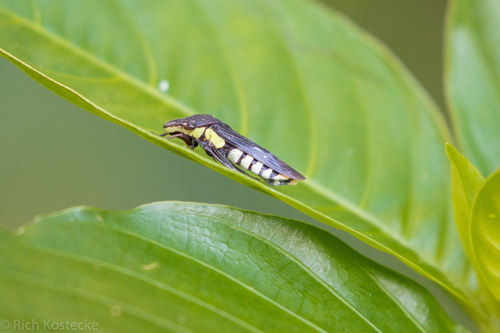
Pseudophera
genusPseudophera
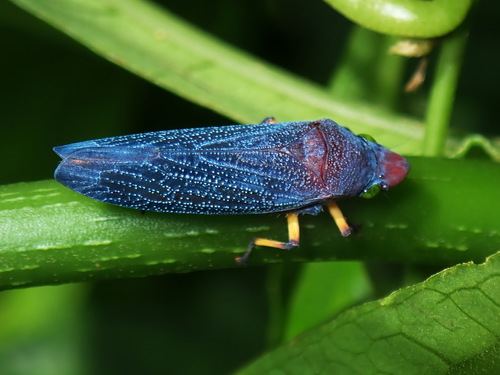
Abana
genusAbana
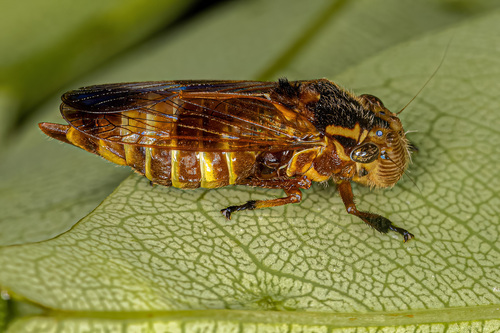
Teletusa
genusTeletusa

Phera
genusPhera

Proconia
genusProconia
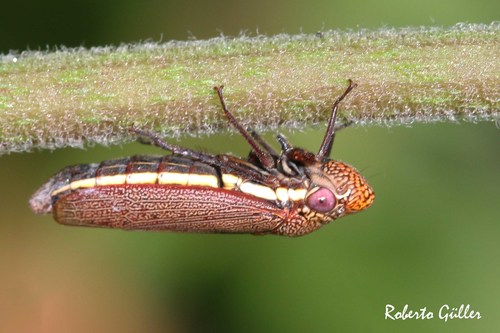
Tapajosa
genusTapajosa

Egidemia
genusEgidemia
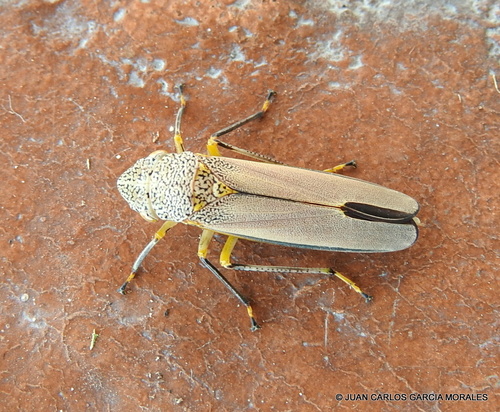
Cyrtodisca
genusCyrtodisca
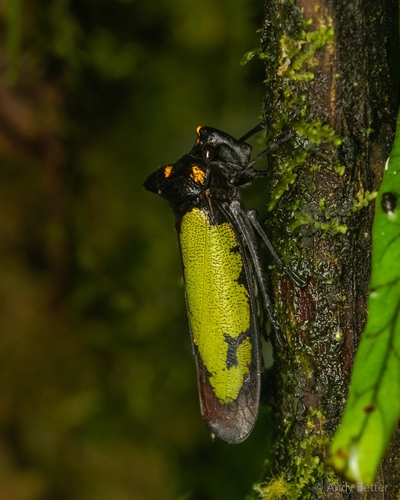
Zyzzogeton
genusZyzzogeton
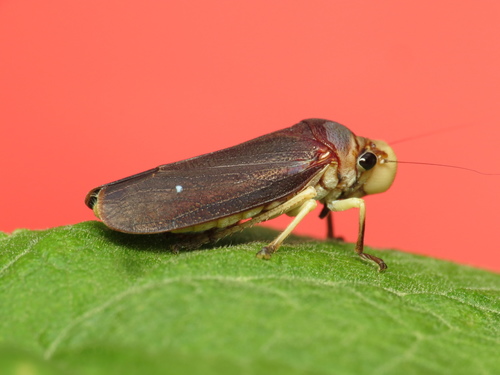
Pseudometopia
genusPseudometopia
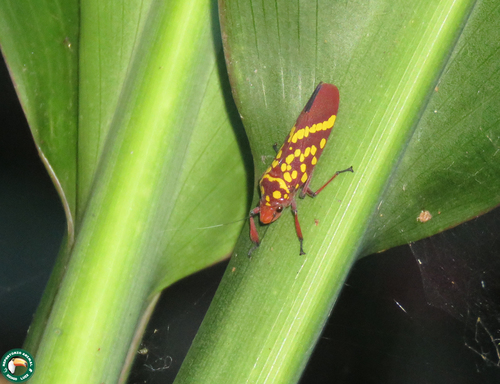
Cicciana
genusCicciana
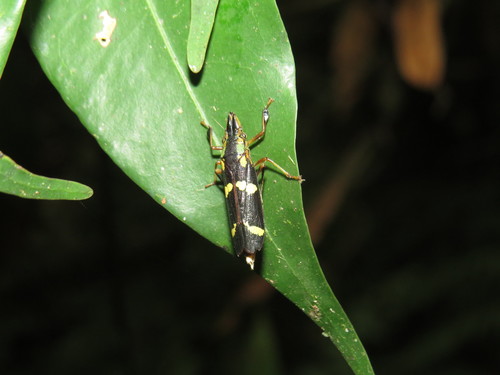
Deselvana
genusDeselvana
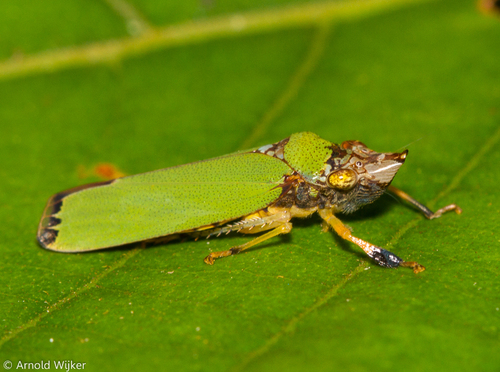
Acrocampsa
genusAcrocampsa
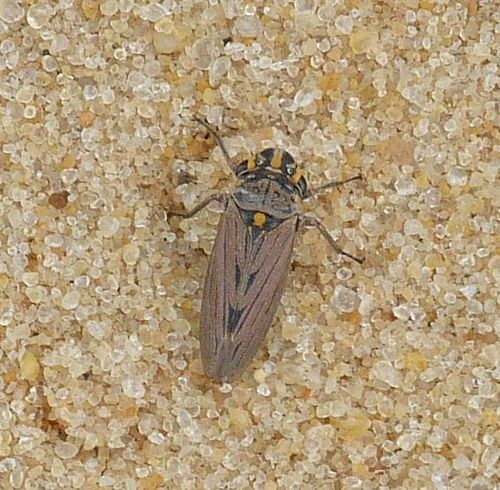
Dechacona
genusDechacona
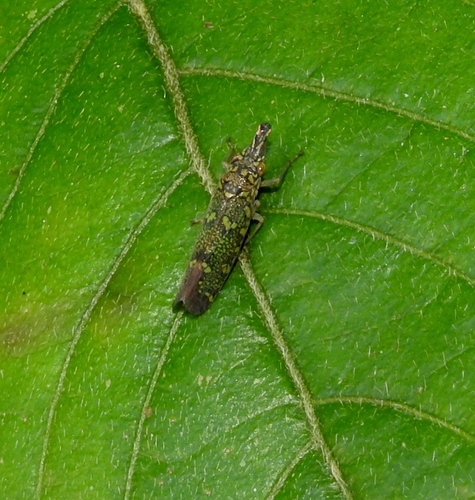
Ichthyobelus
genusIchthyobelus
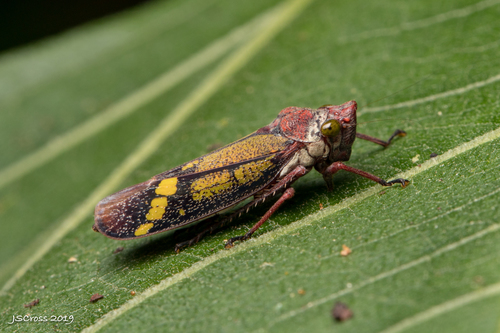
Paracrocampsa
genusParacrocampsa
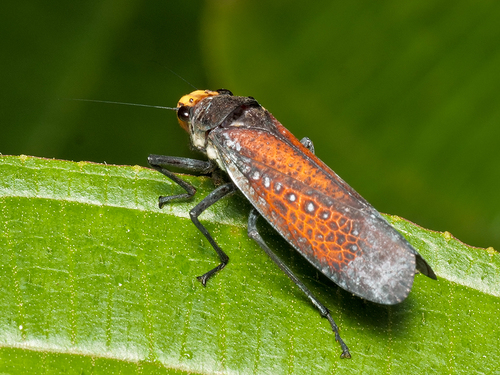
Homoscarta
genusHomoscarta
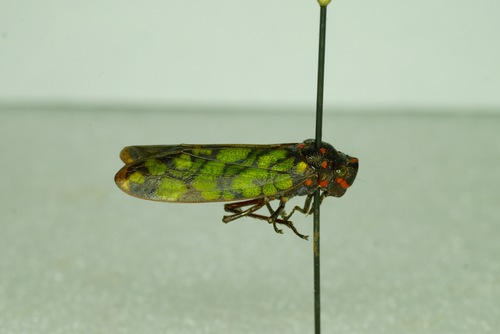
Dictyodisca
genusDictyodisca
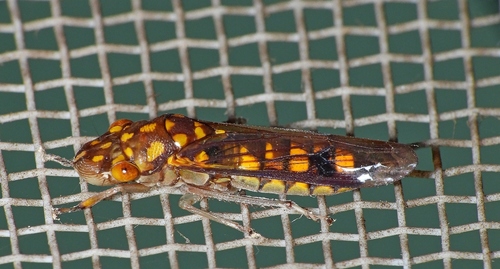
Dichrophleps
genusDichrophleps
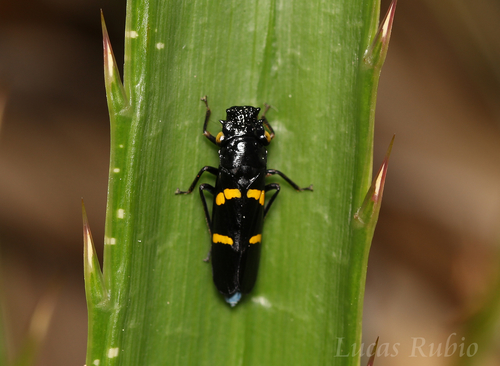
Ochrostacta
genusOchrostacta
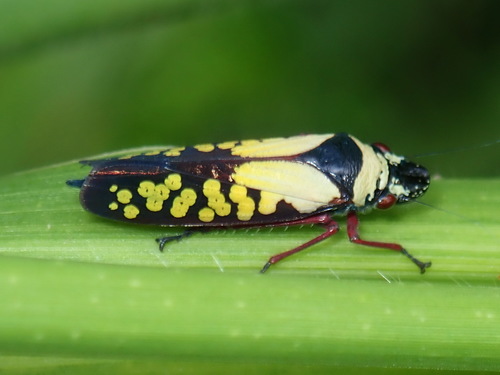
Proconosama
genusProconosama
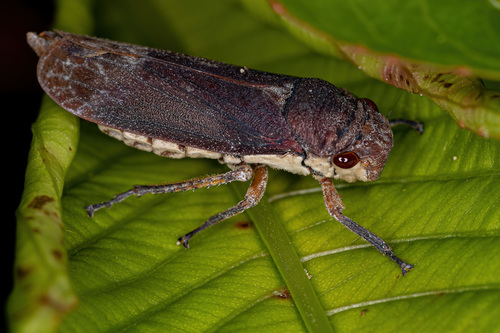
Stictoscarta
genusStictoscarta
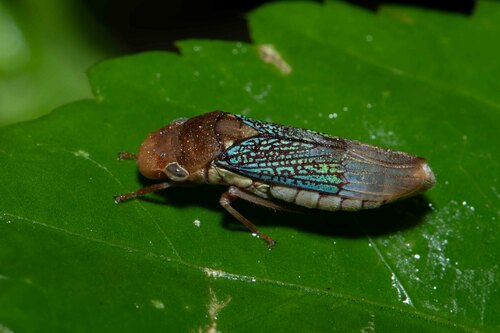
Hyogonia
genusHyogonia

Acrobelus
genusAcrobelus
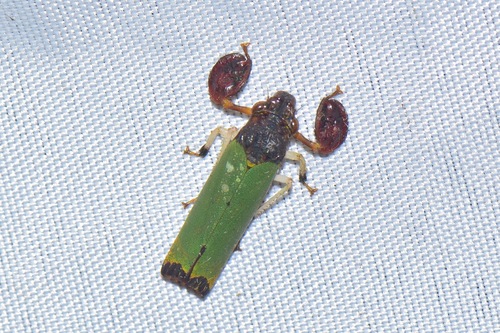
Peltocheirus
genusPeltocheirus
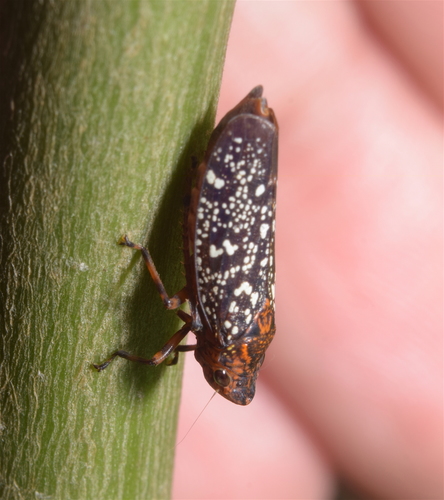
Amblydisca
genusAmblydisca
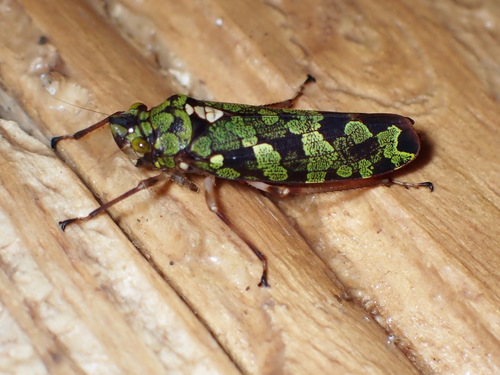
Procandea
genusProcandea
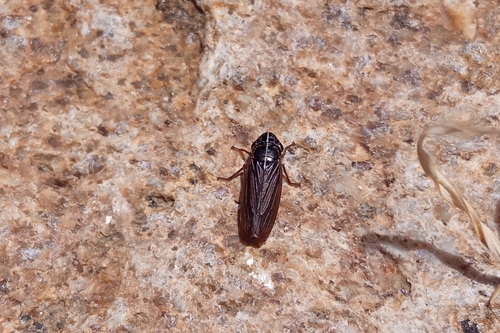
Anacuerna
genusAnacuerna

Splonia
genusSplonia
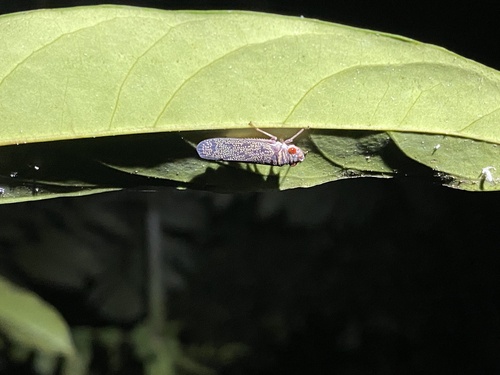
Ciccus
genusCiccus
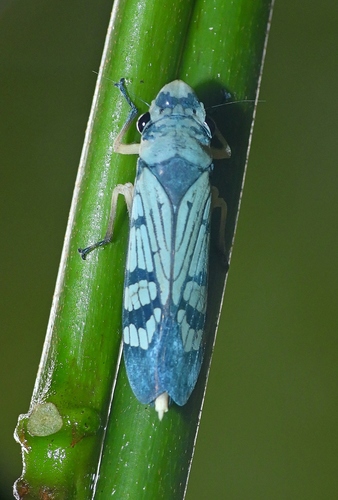
Desamera
genusDesamera
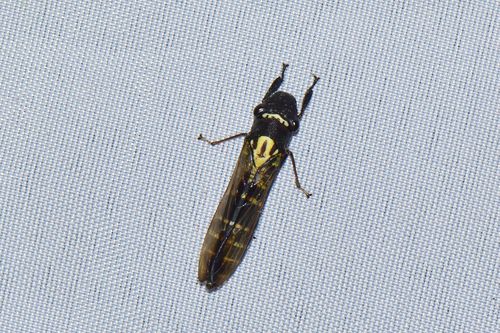
Propetes
genusPropetes

Omagua
genusOmagua

Yunga
genusYunga
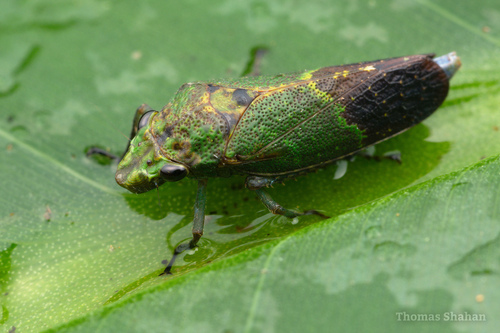
Mareba
genusMareba
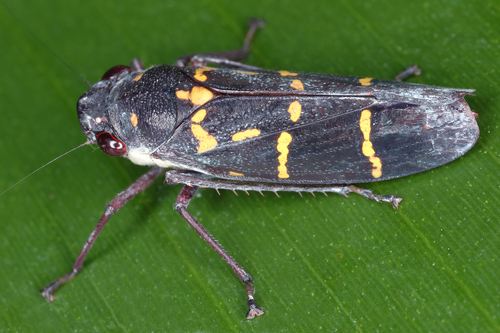
Depanana
genusDepanana
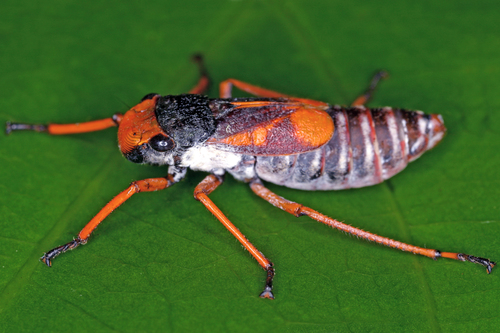
Brevimetopia
genusBrevimetopia
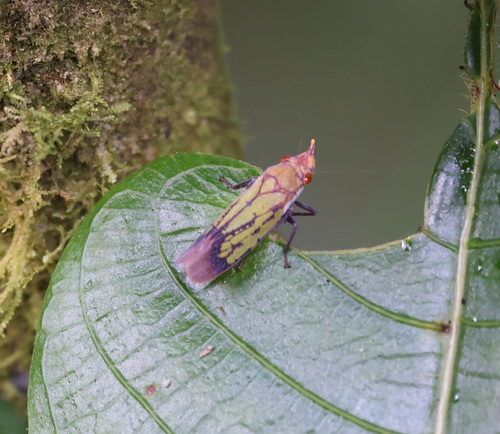
Catorthorrhinus
genusCatorthorrhinus
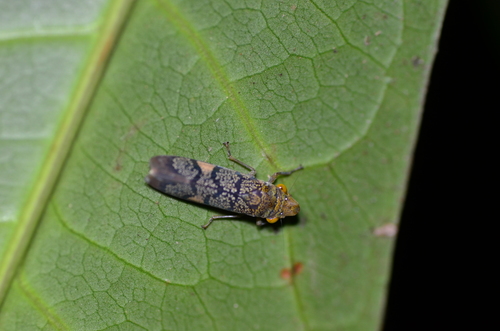
Ciccamera
genusCiccamera
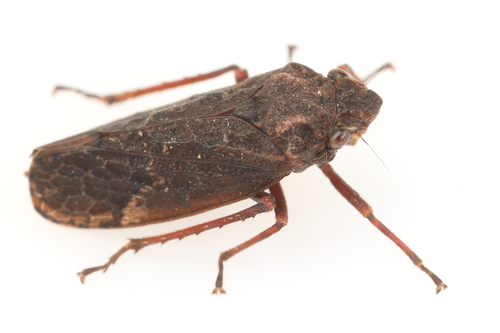
Proconobola
genusProconobola
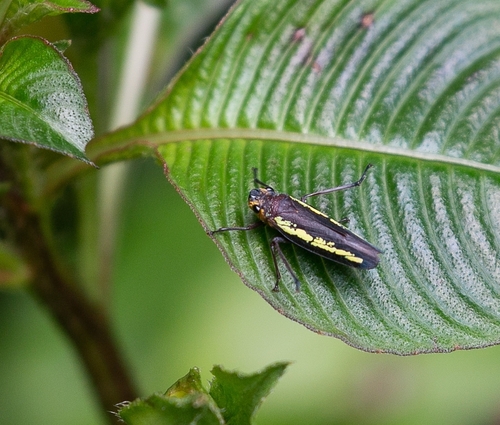
Anacrocampsa
genusAnacrocampsa
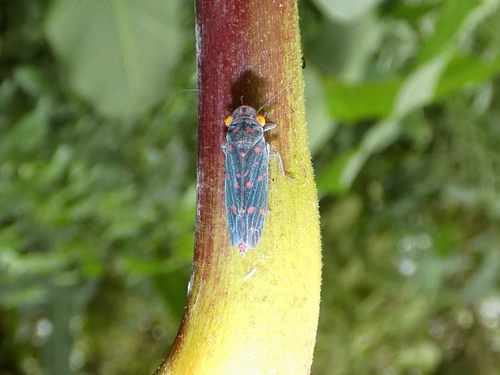
Procama
genusProcama
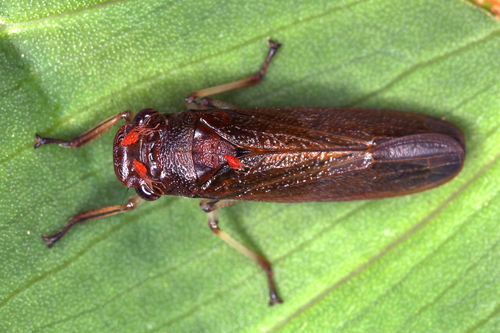
Paraquichira
genusParaquichira
Quichira
genusQuichira
Proconopera
genusProconopera
Yotala
genusYotala
Cleusiana
genusCleusiana
Depanisca
genusDepanisca
Ectypus
genusEctypus
Lojata
genusLojata
Where it lives
Recorded sightings
—
geo-referenced records in GBIF, from museums, herbaria and field observers.
Drag the globe to turn it. Dots are where records exist, not a range map; darker means more records.
In the stacks
Searching the stacks…
Every page naming Proconiini in the Biodiversity Heritage Library →
This page is assembled live from iNaturalist, GBIF, Wikipedia, the Source Library and the Internet Archive. It is not yet part of the hand-edited codex. iNaturalist taxon 492220.