 NL·0674
Herbarium of the Nature Library
- Name
- Salmo salar
- Family
- Salmonidae
- Native to
- Rivers and seas of the North Atlantic, from Portugal to the Barents Sea, Iceland, Greenland and north-eastern North America
- Habitat
- Rivers and streams, Open ocean, Estuaries
Atlantic salmon
Salmo salar
Also calledBradán (Irish) · Eog (Welsh) · Laks (Norwegian/Danish) · Lohi (Finnish) · Plamu (Mi'kmaq) · Saumon (French) · Dàxīyáng guī 大西洋鲑 (Chinese)
A silver ocean-going fish that is born in cold rivers, feeds in the North Atlantic and returns by smell to spawn in the stream where it hatched. Wild numbers have fallen sharply, even as farmed Atlantic salmon fill supermarkets worldwide.
The Atlantic salmon is a species of ray-finned fish in the family Salmonidae. It is the third largest of the Salmonidae, behind Siberian taimen and Pacific Chinook salmon, growing up to 1 m (3.3 ft) in length. Atlantic salmon are found in the northern Atlantic Ocean and in rivers that flow into it. Most populations are anadromous, hatching in streams and rivers but moving out to sea as they grow where they mature, after which the adults seasonally move upstream again to spawn. Wikipedia
What it can do
- iNavigates thousands of kilometres back to its home river using the magnetic field and smell
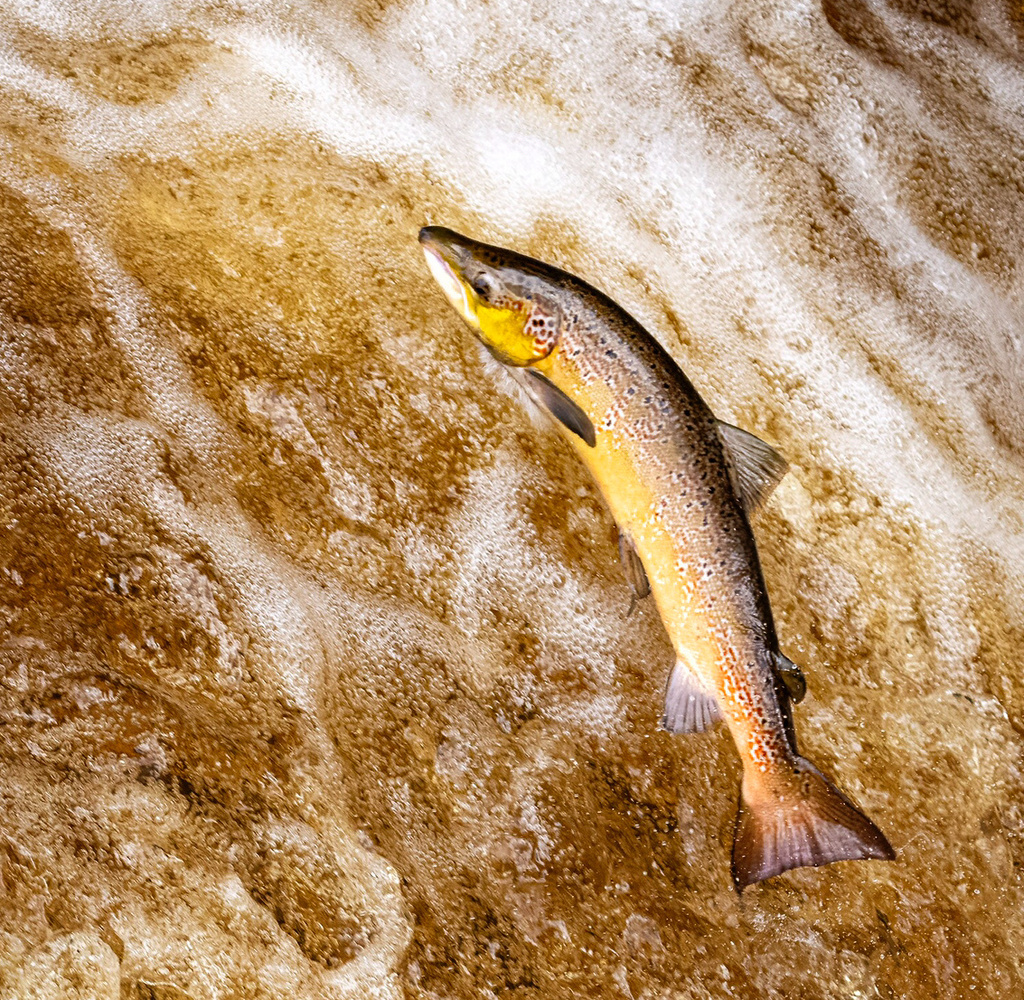
- iiLeaps waterfalls and weirs over 3 m high
- iiiSwitches its body chemistry between fresh and salt water during smoltification
- ivUnlike Pacific salmon, some survive spawning and return to spawn again
- vCarries marine nutrients upstream, feeding river and riverside ecosystems when it dies
In the field
Field marks
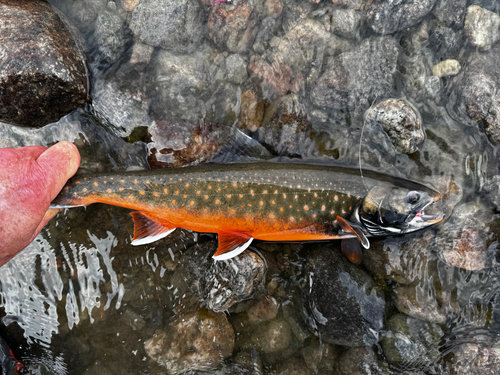
- aStreamlined silver fish with small black spots
- bSlim tail base and forked tail
- cUpper jaw ends below the eye
- dSpawning males turn bronze-red with a hooked jaw
- Not to be confused with
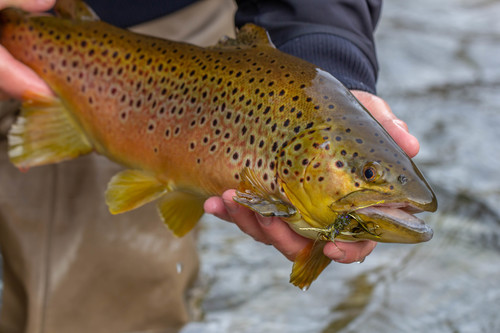
- Sea trout (brown trout) has a thicker tail base, a squarer tail and an upper jaw reaching past the eye.
- Where to see it
- Falls of Shin (Scotland) and the River Spey
- When
- Rivers year-round; leaping at Falls of Shin Jun–Sep; spawning Nov–Dec
Life & habits
- Diet
- Young eat aquatic insects; adults at sea eat fish such as capelin, herring and sand eels, and krill
- Habitat
- Clean, cold gravel-bedded rivers for breeding; North Atlantic feeding grounds
- Size
- Usually 60–110 cm and 2–10 kg; record ~1.5 m and ~46 kg
- Lifespan
- Up to ~13 years; usually 3–8
Young salmon (parr) stay in fresh water for one to eight years, then turn silver and head out to sea as smolts.
Where it lives
Recorded sightings
—
geo-referenced records in GBIF, from museums, herbaria and field observers.
Native range
Rivers and seas of the North Atlantic, from Portugal to the Barents Sea, Iceland, Greenland and north-eastern North America
Drag the globe to turn it. Dots are where records exist, not a range map; darker means more records.
In the old herbals & bestiaries
Woodcuts and engravings matched from the Source Library’s scanned books by name. Plates marked “relative” show a close kin rather than this exact species. Click a plate to read the page it came from, with translation.


In the stacks
Searching the stacks…
Every page naming Salmo salar in the Biodiversity Heritage Library →
Marginalia
In Irish legend the young Fionn mac Cumhaill burned his thumb cooking the Salmon of Knowledge (Bradán Feasa) and gained all the world's wisdom. A salmon carved about 25,000 years ago in the rock shelter of Abri du Poisson, France, is one of the oldest fish images known.
Curiosity
IUCN moved the Atlantic salmon to Near Threatened in 2023 after its global population fell by about 23% between 2006 and 2020.
Kinship


Photographs: iNaturalist contributors under the licences shown. Records: GBIF.org. Historical plates: Source Library (CC BY-SA 4.0; originals public domain). Summary text: Nature Library editors and Wikipedia (CC BY-SA). Medicinal and edibility notes are historical and educational, not advice. iNaturalist taxon 48648.