 NL·0211
Herbarium of the Nature Library
- Name
- Acanthaster solaris
- Family
- Acanthasteridae
- Native to
- Tropical Pacific Ocean, from Japan and the Philippines through the Great Barrier Reef, Melanesia and Micronesia to Polynesia; other Acanthaster species replace it in the Indian Ocean and Red Sea
- Habitat
- Coral reef
Pacific crown-of-thorns starfish
Acanthaster solaris
Also calledŌnihitode (Japanese) · Étoile de mer couronne d'épines (French) · Bintang laut berduri (Indonesian)
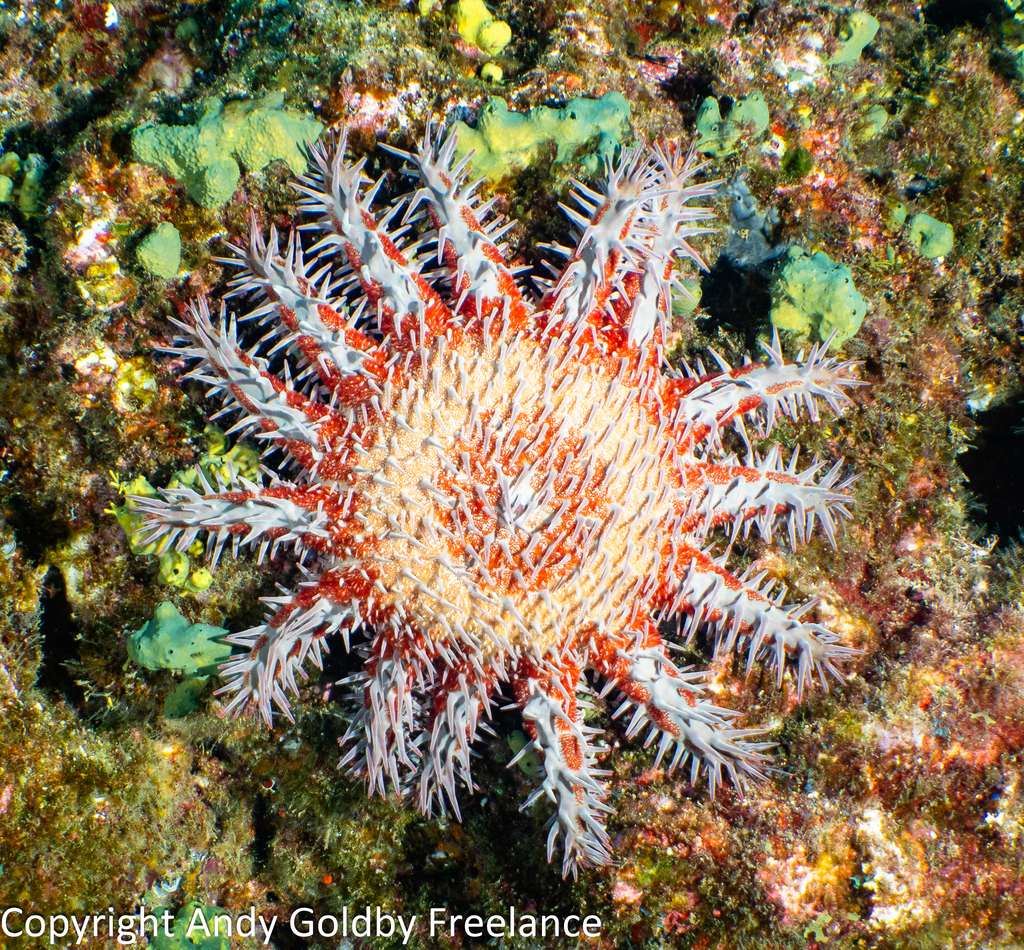
A large, many-armed starfish covered in venomous spines that eats living coral. In population outbreaks it can strip whole reefs, and it is one of the main causes of coral loss on the Great Barrier Reef.
What it can do
- iEats coral by turning its stomach out over the colony and digesting the tissue
- iiA large female can release tens of millions of eggs in a season
- iiiSpines contain saponins that cause painful, swelling wounds
- ivOutbreak densities can reach many thousands per square kilometre
In the field
Field marks
- aLarge starfish with 7–23 arms
- bUpper surface covered with long, sharp spines
- cColour grey-green, purple, red or blue
- dWhite feeding scars on nearby coral
- Not to be confused with
- Other crown-of-thorns species (A. planci in the northern Indian Ocean, A. mauritiensis in the southern Indian Ocean, A. benziei in the Red Sea) are separated by range and genetics. No other reef starfish is as spiny.
- Where to see it
- Reefs of the Great Barrier Reef, Okinawa, Guam and Fiji, particularly during outbreaks.
- When
- Year-round; spawning in the warm season (about Dec–Feb on the Great Barrier Reef)
Life & habits
- Diet
- Living hard corals, preferring fast-growing table and branching Acropora
- Habitat
- Coral reefs, mostly at depths of a few metres to about 30 m
- Size
- Usually 25–35 cm across, sometimes over 50 cm
- Lifespan
- Several years
It feeds mostly at night and hides under coral during the day; feeding leaves bright white patches of dead coral skeleton.
Where it lives
Recorded sightings
—
geo-referenced records in GBIF, from museums, herbaria and field observers.
Native range
Tropical Pacific Ocean, from Japan and the Philippines through the Great Barrier Reef, Melanesia and Micronesia to Polynesia; other Acanthaster species replace it in the Indian Ocean and Red Sea
Drag the globe to turn it. Dots are where records exist, not a range map; darker means more records.
In the old herbals & bestiaries
No plate in the Source Library names this exact species, so these show its closest relatives as the old naturalists drew them: same genus, or the same kind of animal. Click a plate to read the page it came from, with translation.

Jan Jonston — Naeukeurige beschryving van de natuur der viervoetige dieren (1660)
Relative · Jan Jonston · 1660 · p.525

Jan Jonston — Naeukeurige beschryving van de natuur der viervoetige dieren (1660)
Relative · Jan Jonston · 1660 · p.521

De Animalibus Insectis Libri Septem
Relative · Ulisse Aldrovandi · 1602 · p.760

De Animalibus Insectis Libri Septem
Relative · Ulisse Aldrovandi · 1602 · p.763

Ulyssis Aldrovandi ... De animalibus insectis libri septem
Relative · Aldrovandi, Ulisse · 1618 · p.313

Museum of the Royal Society
Relative · Nehemiah Grew · 1681 · p.476

Ulyssis Aldrovandi ... De animalibus insectis libri septem
Relative · Aldrovandi, Ulisse · 1618 · p.308

A voyage to the islands Madera Barbados Jamaica Vol. 1
Relative · Hans Sloane · 1707 · p.608

Garden of Health (Hortus Sanitatis)
Relative · Jacob Meydenbach · 1491 · p.648

Books on Marine Fishes
Relative · Guillaume Rondelet · 1554 · p.760
In the stacks
Searching the stacks…
Every page naming Acanthaster solaris in the Biodiversity Heritage Library →
Marginalia
A major outbreak was first reported at Green Island near Cairns in the early 1960s; reef managers now cull starfish by injecting them with vinegar or bile salts.
Curiosity
Its natural predators include the giant triton snail (Charonia tritonis), the humphead wrasse and the starry pufferfish, all reduced by fishing and shell collecting.
Kinship
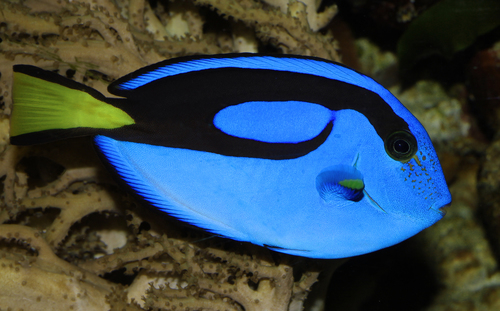
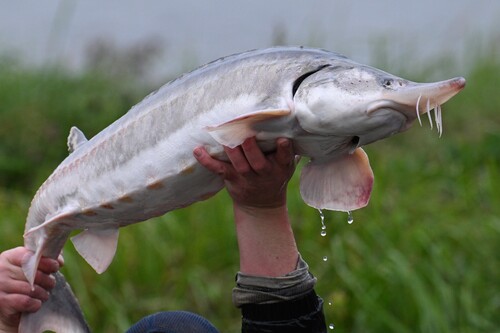
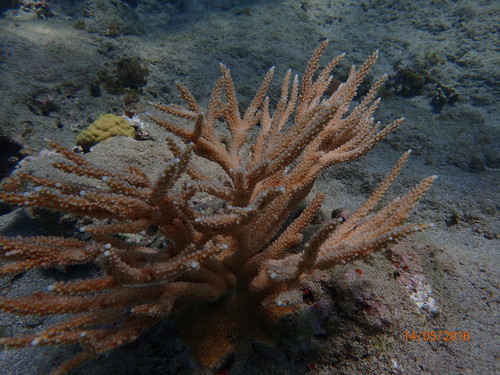

Fact-checked: 1 correction made to this sheet. Photographs: iNaturalist contributors under the licences shown. Records: GBIF.org. Historical plates: Source Library (CC BY-SA 4.0; originals public domain). Summary text: Nature Library editors and Wikipedia (CC BY-SA). Medicinal and edibility notes are historical and educational, not advice. iNaturalist taxon 979107.