- Animals
- ›Arthropods
- ›Hexapods
- ›Insects
- ›Winged and Once-winged Insects
- ›Flies
- ›Nematoceran Flies
- ›Crane Flies
- ›Typical Crane Flies

Limoniid Crane Flies
Limoniidae
Limoniidae is the largest of four crane fly families, with more than 10,700 species in more than 150 genera. Some studies have suggested it to be a paraphyletic group, with some limoniids being more closely related to Tipulidae and Cylindrotomidae than to other limoniids. Limoniid crane flies can usually be distinguished by the way the wings are held at rest. Limoniids usually hold/fold the wings along the back of the body, whereas other crane flies usually hold them out at right angles. Snow flies (genus: Chionea) such as Chionea scita have no wings at all. Limoniids are also usually smaller than other crane flies, with some exceptions.
The classification of Limoniid crane flies has been varied in the past, with the group treated both as subfamily and family, but the following classification is currently accepted. (Species counts are approximate, and vary over time.). Recent phylogenetic analyses have revealed the family to be paraphyletic and further research is suggested.
16 branches of this family, most-observed first

Limoniinae
subfamilyLimoniinae
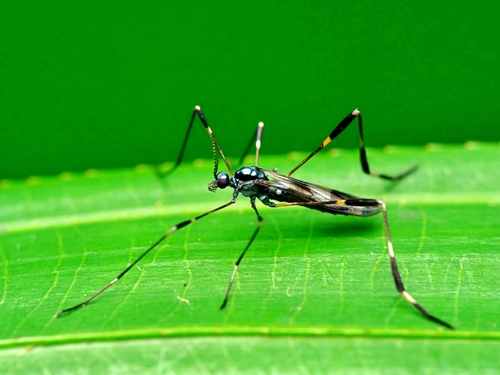
Chioneinae
subfamilyChioneinae
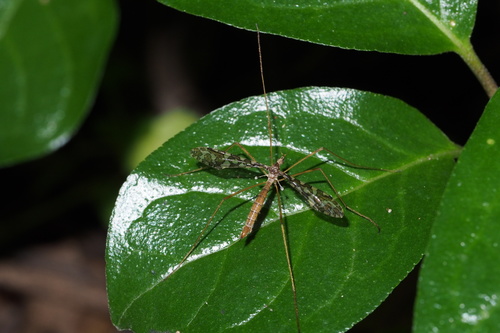
Limnophilinae
subfamilyLimnophilinae
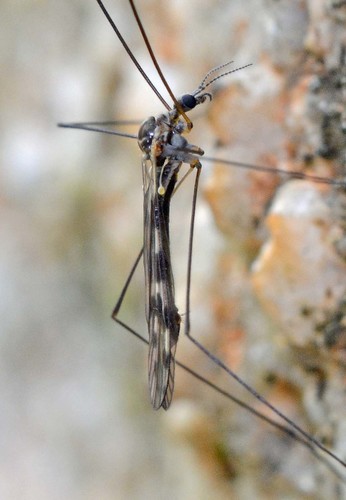
Dactylolabinae
subfamilyDactylolabinae
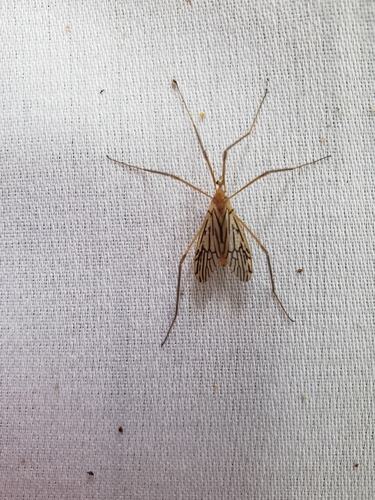
Clydonodozus
genusClydonodozus
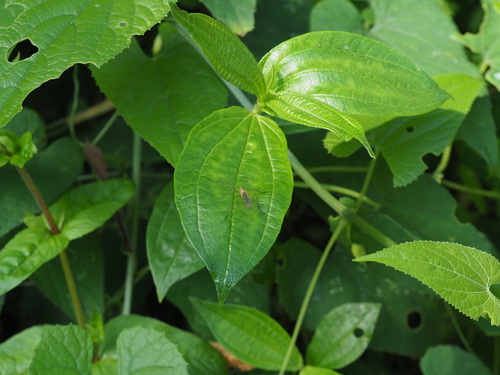
Dasymallomyia
genusDasymallomyia
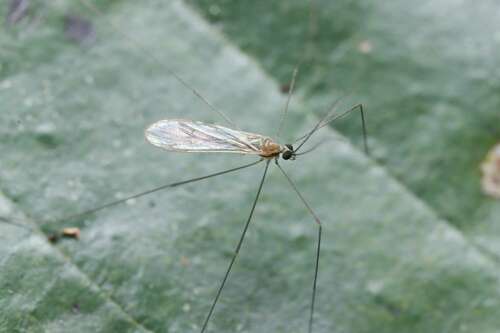
Taiwanomyia
genusTaiwanomyia
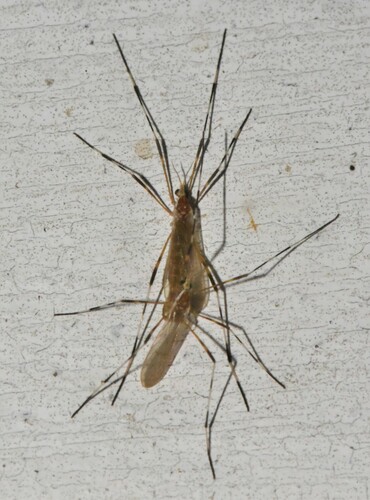
Hovamyia
genusHovamyia

Riedelomyia
genusRiedelomyia
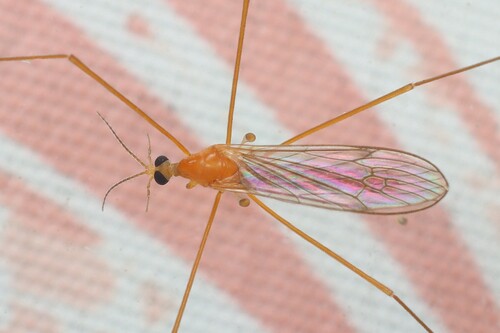
Protohelius
genusProtohelius
Chilelimnophila
genusChilelimnophila
Maietta
genusMaietta
Mesolimnophila
genusMesolimnophila
Araucoxenia
genusAraucoxenia
Tasiocerellus
genusTasiocerellus
Edwardsomyia
genusEdwardsomyia
Where it lives
Recorded sightings
—
geo-referenced records in GBIF, from museums, herbaria and field observers.
Drag the globe to turn it. Dots are where records exist, not a range map; darker means more records.
In the stacks
Searching the stacks…
Every page naming Limoniidae in the Biodiversity Heritage Library →
This page is assembled live from iNaturalist, GBIF, Wikipedia, the Source Library and the Internet Archive. It is not yet part of the hand-edited codex. iNaturalist taxon 47992.