- Animals
- ›Arthropods
- ›Hexapods
- ›Insects
- ›Winged and Once-winged Insects
- ›True Bugs, Hoppers, Aphids, and allies
- ›True Hoppers
- ›Spittlebugs, Cicadas, Leafhoppers and Treehoppers
- ›Leafhoppers and Treehoppers
- ›Typical Leafhoppers
- ›Sharpshooters
- ›Cicadellini
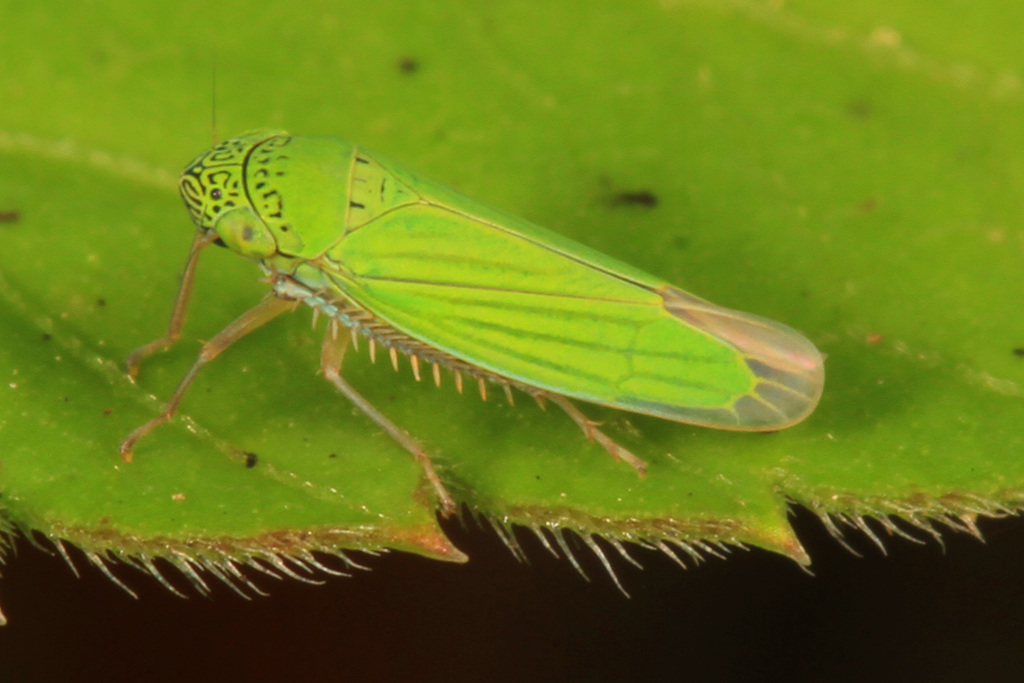
Hortensia
Hydrangea ( or ) is a genus of more than 70 species of flowering plants native to Asia and the Americas. Hydrangea is also used as the common name for the genus; some (particularly H. macrophylla) are also often called hortensia. The genus was first described from Virginia in North America, but by far the greatest species diversity is in eastern Asia, notably China, Korea, and Japan. Most are shrubs 1–3 m (3 ft 3 in – 9 ft 10 in) tall, but some are small trees, and others lianas reaching up to 30 m (100 ft) by climbing up trees. They can be either deciduous or evergreen, though the widely cultivated temperate species are all deciduous.
The flowers of many hydrangeas act as natural pH indicators, producing blue flowers when the soil is acidic and pink ones when the soil is alkaline.
3 branches of this genus, most-observed first
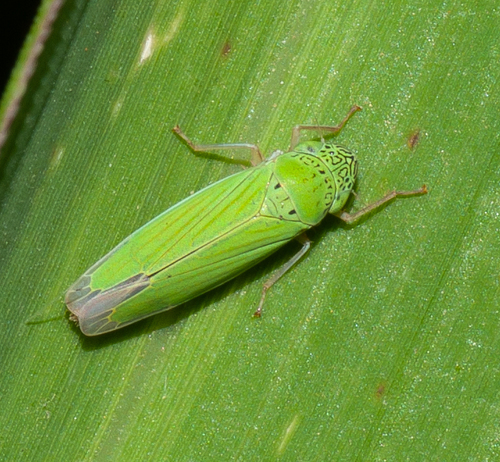
Common Green Leafhopper
speciesHortensia similis
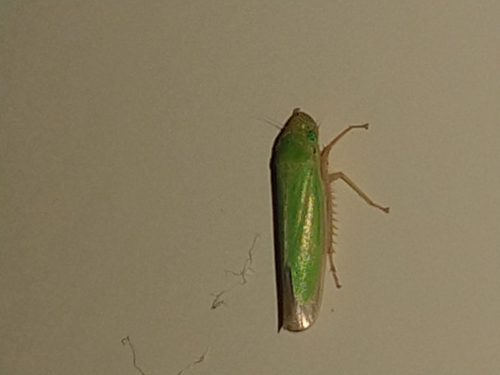
Hortensia dilatata
speciesHortensia dilatata
Hortensia innotata
speciesHortensia innotata
Where it lives
Recorded sightings
—
geo-referenced records in GBIF, from museums, herbaria and field observers.
Drag the globe to turn it. Dots are where records exist, not a range map; darker means more records.
In the stacks
Searching the stacks…
Every page naming Hortensia in the Biodiversity Heritage Library →
This page is assembled live from iNaturalist, GBIF, Wikipedia, the Source Library and the Internet Archive. It is not yet part of the hand-edited codex. iNaturalist taxon 479875.