- Animals
- ›Arthropods
- ›Hexapods
- ›Insects
- ›Winged and Once-winged Insects
- ›Butterflies and Moths
- ›Butterflies

Brush-footed Butterflies
Nymphalidae
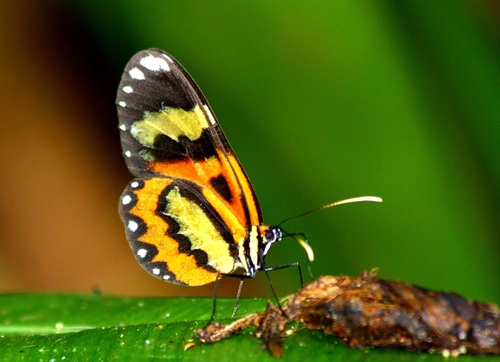
The Nymphalidae are the largest family of butterflies, with more than 6,000 species distributed throughout most of the world. Belonging to the superfamily Papilionoidea, they are usually medium-sized to large butterflies. Most species have a reduced pair of forelegs and many hold their colourful wings flat when resting. They are also called brush-footed butterflies or four-footed butterflies, because they are known to stand on only four legs while the other two are curled up; in some species, these forelegs have a brush-like set of hairs, which gives this family its other common name. Many species are brightly coloured and include popular species such as the emperors, monarch butterfly, admirals, tortoiseshells, and fritillaries. However, the under wings are, in contrast, often dull and in some species look remarkably like dead leaves, or are much paler, producing a cryptic effect that helps the butterflies blend into their surroundings.
13 branches of this family, most-observed first

Checkerspots, Anglewings, Peacocks, and Allies
subfamilyNymphalinae

Satyrs, Morphos, and Allies
subfamilySatyrinae

Fritillaries and Longwings
subfamilyHeliconiinae

Milkweed Butterflies
subfamilyDanainae

Admirals and Allies
subfamilyLimenitidinae

Tropical Brushfoots
subfamilyBiblidinae

Emperors
subfamilyApaturinae

Leafwing Butterflies
subfamilyCharaxinae

Beak and Snout Butterflies
subfamilyLibytheinae

Daggerwing and Map Butterflies
subfamilyCyrestinae

Calinaginae
subfamilyCalinaginae
Catargynnis
genusCatargynnis
Placidula
genusPlacidula
Where it lives
Recorded sightings
—
geo-referenced records in GBIF, from museums, herbaria and field observers.
Drag the globe to turn it. Dots are where records exist, not a range map; darker means more records.
In the stacks
Searching the stacks…
Every page naming Nymphalidae in the Biodiversity Heritage Library →
This page is assembled live from iNaturalist, GBIF, Wikipedia, the Source Library and the Internet Archive. It is not yet part of the hand-edited codex. iNaturalist taxon 47922.