- Animals
- ›Arthropods
- ›Hexapods
- ›Insects
- ›Winged and Once-winged Insects
- ›Flies
- ›Brachyceran Flies
- ›Orthorrhaphan Flies
- ›Asiloidea
- ›Bee Flies
- ›Cythereinae
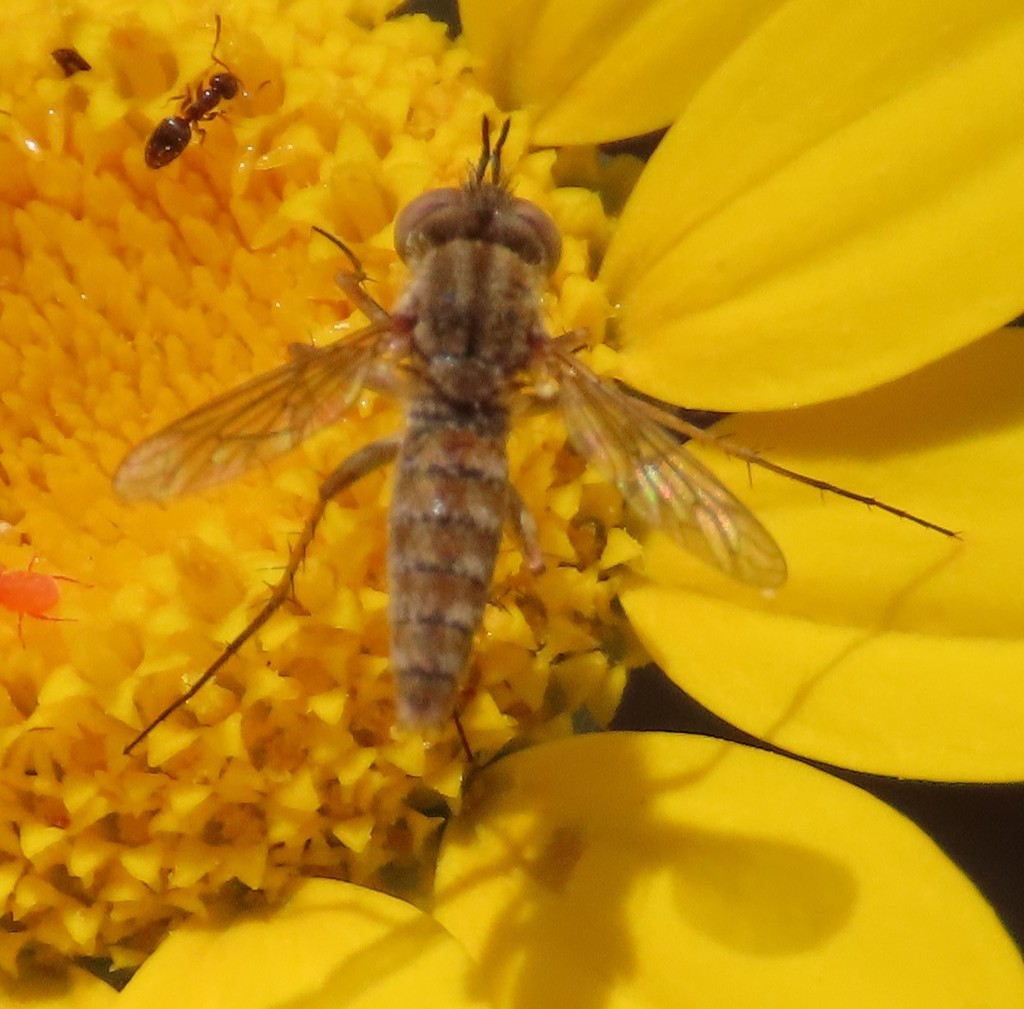
Amictus
Clothing in ancient Rome generally comprised a short-sleeved or sleeveless, knee-length tunic for men and boys, and a longer, usually sleeved tunic for women and girls. On formal occasions, adult male citizens could wear a woolen toga, draped over their tunic, and married citizen women wore a woolen mantle, known as a palla, over a stola, a simple, long-sleeved, voluminous garment that modestly hung to cover the feet. Clothing, footwear and accoutrements identified gender, status, rank and social class. This was especially apparent in the distinctive, privileged official dress of magistrates, priesthoods and the military.
The toga was considered Rome's "national costume," privileged to Roman citizens but for day-to-day activities most Romans preferred more casual, practical and comfortable clothing; the tunic, in various forms, was the basic garment for all classes, both sexes and most occupations. It was usually made of linen, and was augmented as necessary with underwear, or with various kinds of cold-or-wet weather wear, such as knee-breeches for men, and cloaks, coats and hats. In colder parts of the empire, full length trousers were worn. Most urban Romans wore shoes, slippers, boots or sandals of various types; in the countryside, some wore clogs.

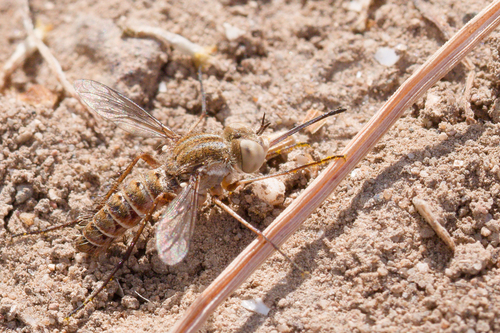
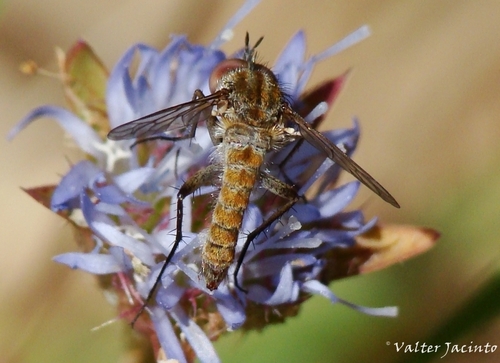
Where it lives
Recorded sightings
—
geo-referenced records in GBIF, from museums, herbaria and field observers.
Drag the globe to turn it. Dots are where records exist, not a range map; darker means more records.
In the stacks
Searching the stacks…
Every page naming Amictus in the Biodiversity Heritage Library →
This page is assembled live from iNaturalist, GBIF, Wikipedia, the Source Library and the Internet Archive. It is not yet part of the hand-edited codex. iNaturalist taxon 467260.