- Animals
- ›Chordates
- ›Vertebrates
- ›Mammals
- ›Therians
- ›Placental Mammals
- ›Primates, Rodents, and Allies
- ›Primates
- ›Monkeys, Apes, and Tarsiers
- ›Monkeys and Apes
- ›Apes and Old World Monkeys
- ›Old World Monkeys
- ›Cercopithecines
- ›Baboons, Macaques, and Mangabeys
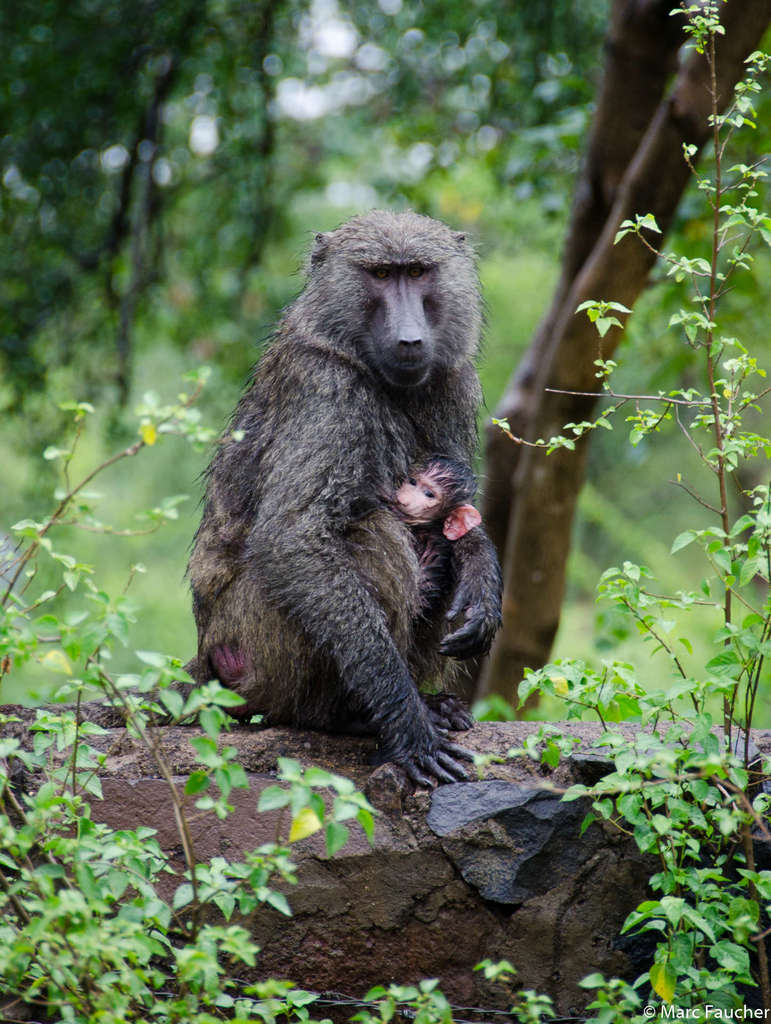
Baboons
Papio
Baboons are African and Arabian Old World monkeys belonging to the genus Papio, part of the subfamily Cercopithecinae. The five species are some of the largest non-hominoid members of the primate order; only the mandrill and the drill are larger. Previously, the closely related gelada (genus Theropithecus) and the two species (mandrill and drill) of genus Mandrillus were grouped in the same genus, and these Old World monkeys are still often referred to as baboons in...
7 branches of this genus, most-observed first · about 6 known species
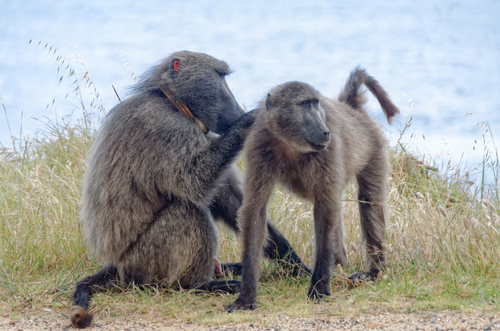
Chacma Baboon
speciesPapio ursinus
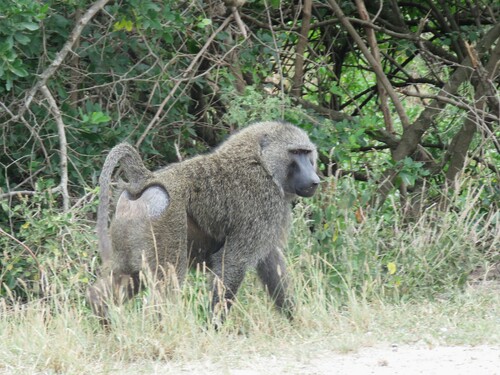
Olive Baboon
speciesPapio anubis
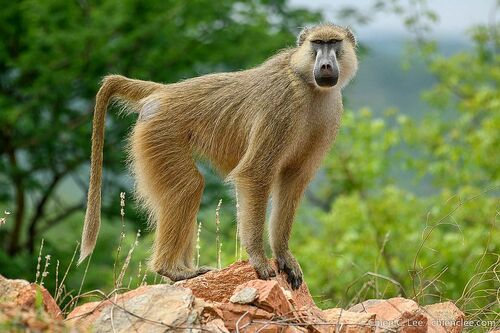
Yellow Baboon
speciesPapio cynocephalus
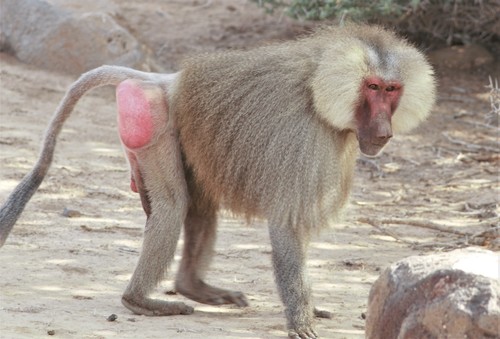
Hamadryas Baboon
speciesPapio hamadryas
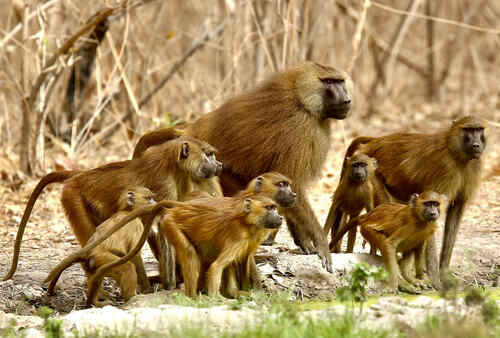
Guinea Baboon
speciesPapio papio
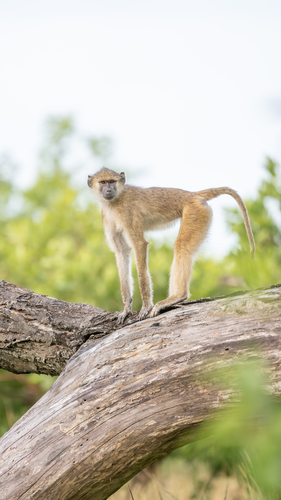
Kinda Baboon
speciesPapio kindae
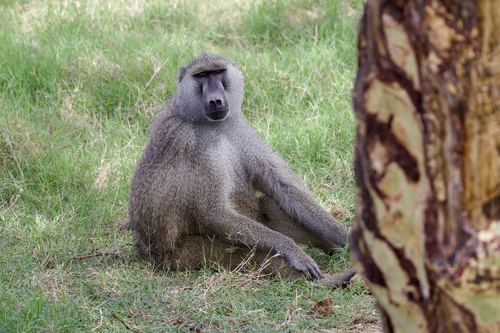
Olive × Yellow Baboon
hybridPapio anubis × cynocephalus
Where it lives
Recorded sightings
—
geo-referenced records in GBIF, from museums, herbaria and field observers.
Drag the globe to turn it. Dots are where records exist, not a range map; darker means more records.
In the old herbals & bestiaries

Jean Baptiste Audebert — Histoire naturelle des singes et des makis (1800)
Jean Baptiste Audebert · 1800 · p.89

Jean Baptiste Audebert — Histoire naturelle des singes et des makis (1800)
Jean Baptiste Audebert · 1800 · p.95

Jean Baptiste Audebert — Histoire naturelle des singes et des makis (1800)
Jean Baptiste Audebert · 1800 · p.92
In the stacks
Searching the stacks…
Every page naming Papio in the Biodiversity Heritage Library →
This page is assembled live from iNaturalist, GBIF, Wikipedia, the Source Library and the Internet Archive. It is not yet part of the hand-edited codex. iNaturalist taxon 43534.