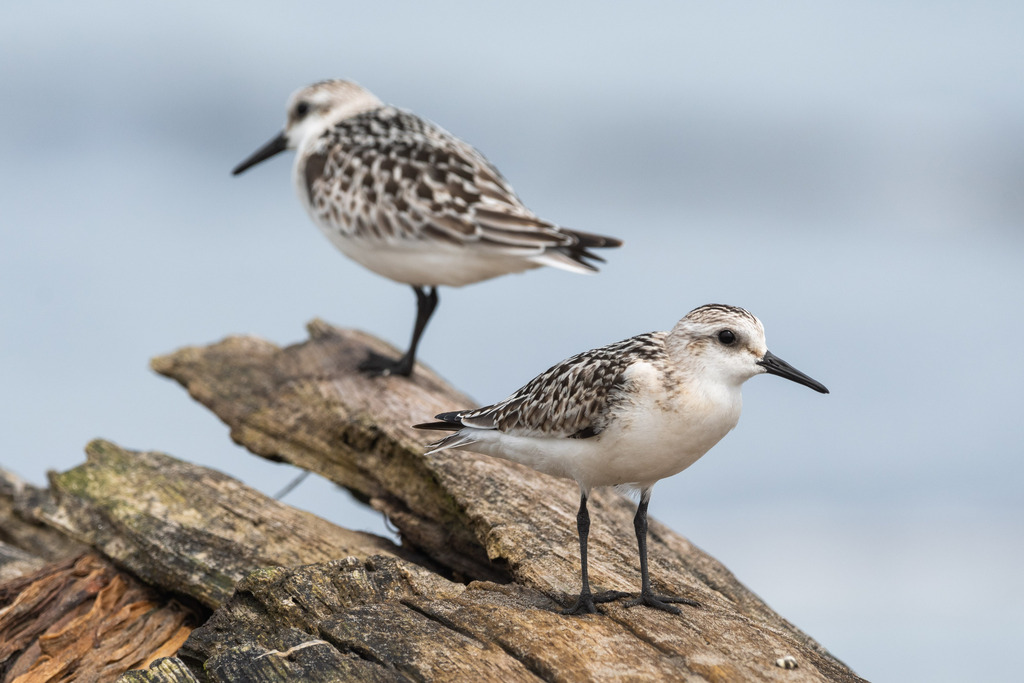
Calidris Sandpipers
Calidris
Calidris is a genus of Arctic-breeding, strongly migratory wading birds in the family Scolopacidae. These birds form huge mixed flocks on coasts and estuaries in winter. They are small to medium-sized sandpipers, long-winged and relatively short-billed; some are difficult to identify because of the similarity between species, and various breeding, non-breeding, juvenile, and moulting plumages. With a few exceptions, they have a fairly stereotypical colour pattern, being brownish above and lighter, usually white or buffy coloured, on much of the underside. They often have a lighter supercilium above brownish cheeks. The species are variously known in English as sandpipers or (particularly the smaller species) stints; some have their own unique names, with dunlin (a mediaeval name meaning "[small] brown bird"), knot (imitative of its call), ruff (named after its male display plumage), and sanderling and surfbird (named after their habitat and behaviour). In North America, the smaller species are often known colloquially as peeps.
Their bills are flexible, able to exhibit rhynchokinesis, and have sensitive tips which contain numerous corpuscles of Herbst. This enables the birds to locate buried prey items, which they typically seek with restless running and probing. Migratory shorebirds are shown to have declined in reproductive traits because of temporal changes of their breeding seasons.
35 branches of this genus, most-observed first · about 24 known species
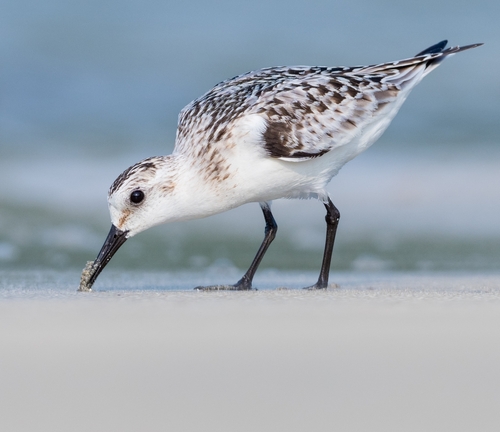
Sanderling
speciesCalidris alba
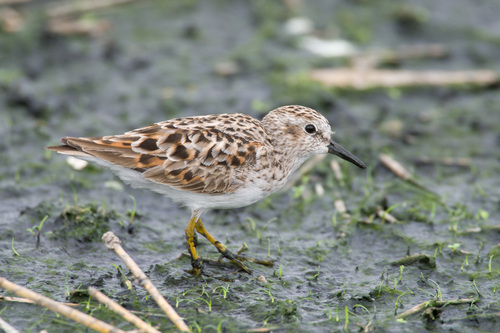
Least Sandpiper
speciesCalidris minutilla
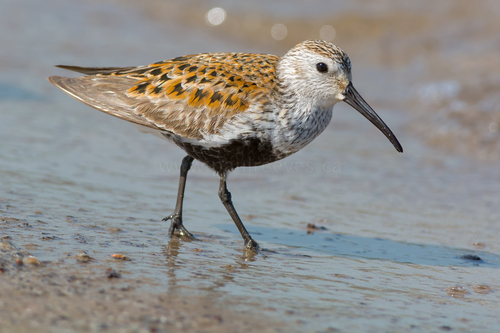
Dunlin
speciesCalidris alpina

Ruff
speciesCalidris pugnax
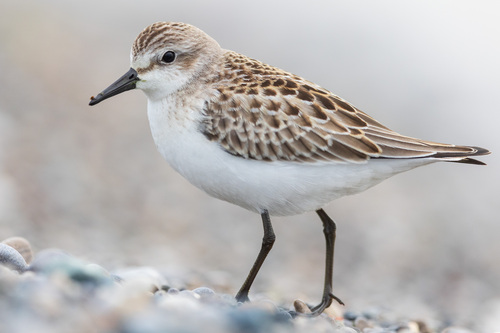
Semipalmated Sandpiper
speciesCalidris pusilla
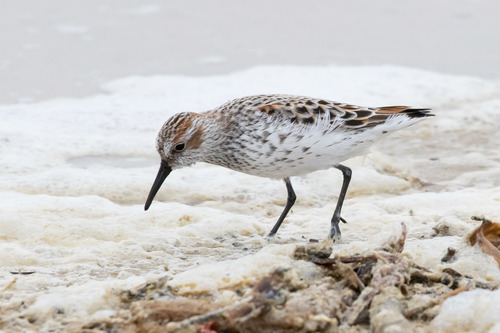
Western Sandpiper
speciesCalidris mauri
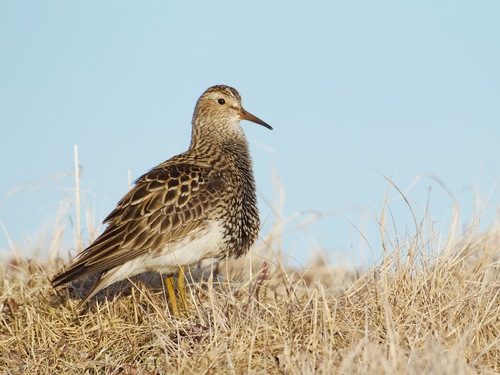
Pectoral Sandpiper
speciesCalidris melanotos
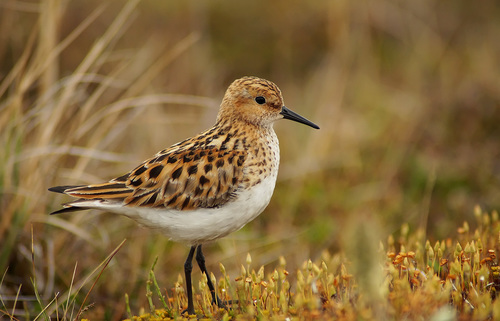
Little Stint
speciesCalidris minuta

Red Knot
speciesCalidris canutus
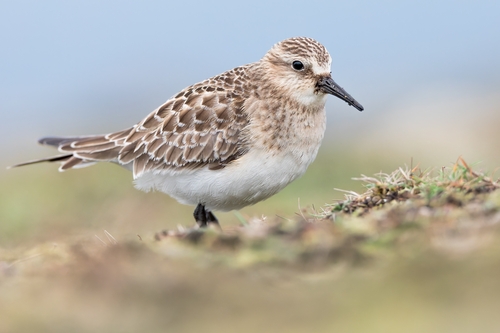
Baird's Sandpiper
speciesCalidris bairdii
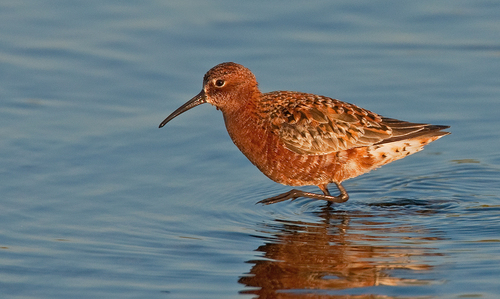
Curlew Sandpiper
speciesCalidris ferruginea
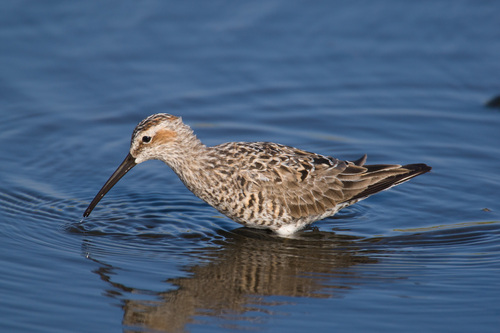
Stilt Sandpiper
speciesCalidris himantopus
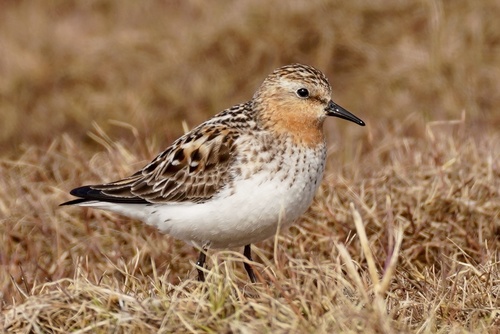
Red-necked Stint
speciesCalidris ruficollis
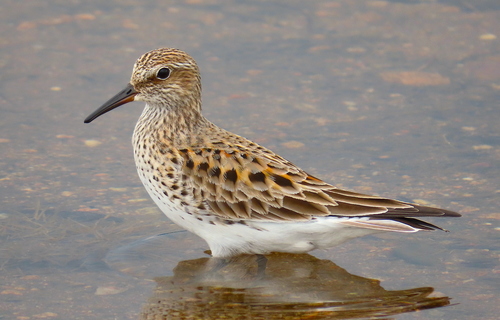
White-rumped Sandpiper
speciesCalidris fuscicollis
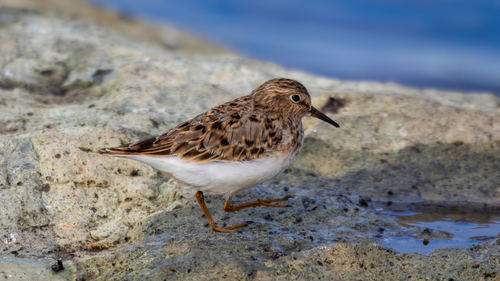
Temminck's Stint
speciesCalidris temminckii
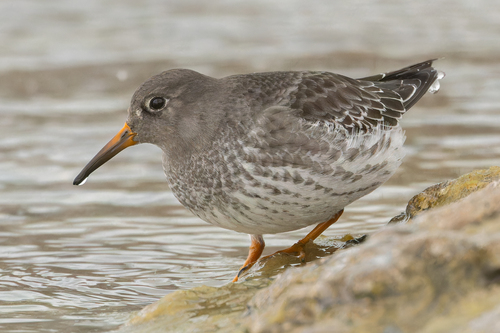
Purple Sandpiper
speciesCalidris maritima
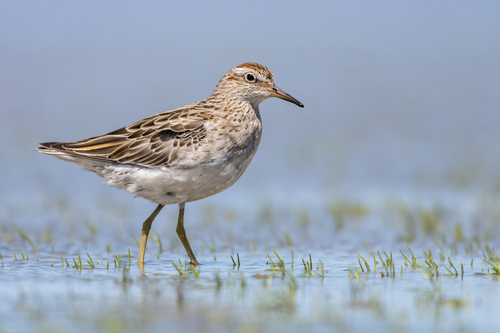
Sharp-tailed Sandpiper
speciesCalidris acuminata
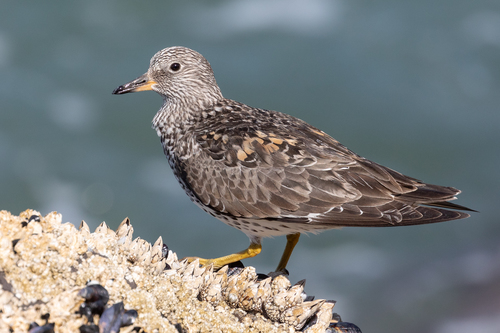
Surfbird
speciesCalidris virgata
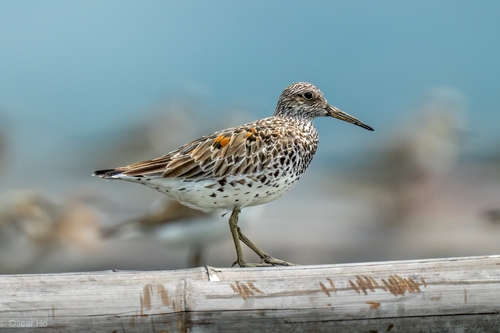
Great Knot
speciesCalidris tenuirostris
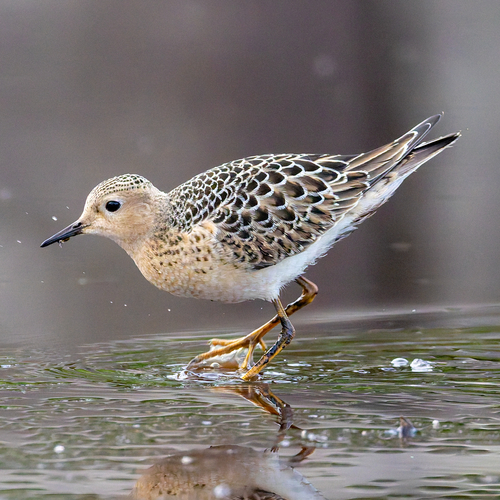
Buff-breasted Sandpiper
speciesCalidris subruficollis
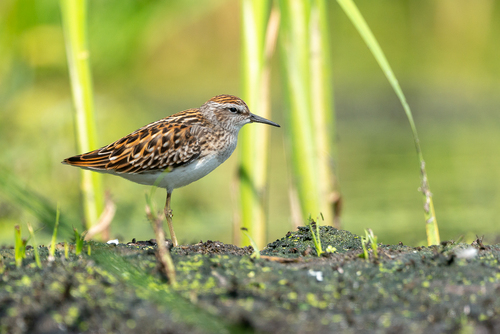
Long-toed Stint
speciesCalidris subminuta

Broad-billed Sandpiper
speciesCalidris falcinellus
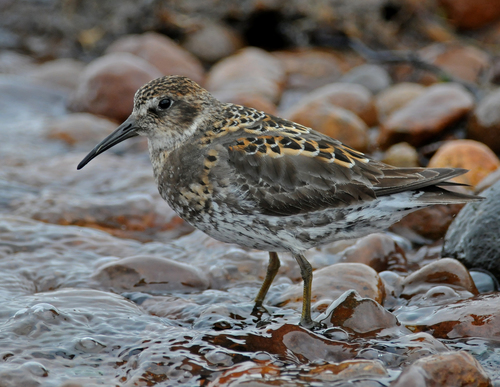
Rock Sandpiper
speciesCalidris ptilocnemis
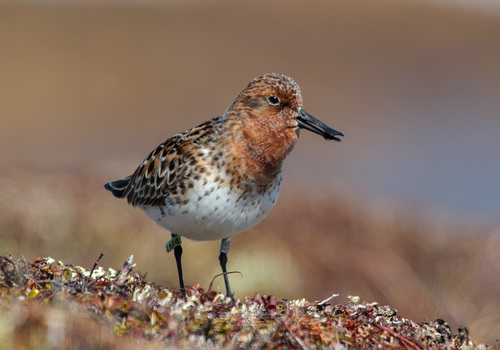
Spoon-billed Sandpiper
speciesCalidris pygmaea
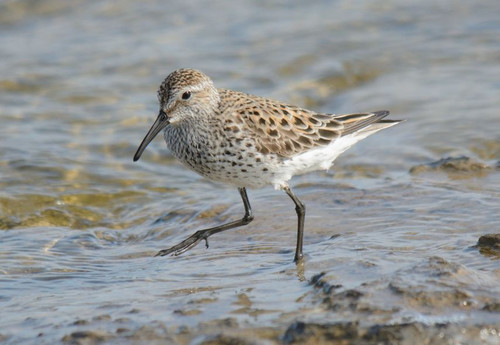
White-rumped Sandpiper × Dunlin
hybridCalidris fuscicollis × alpina
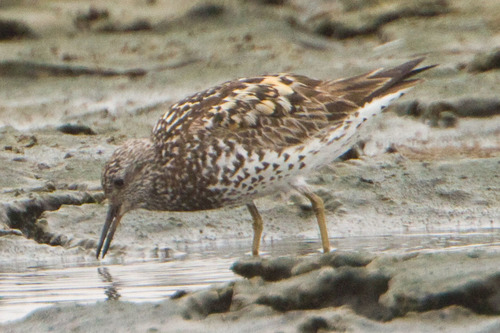
Surfbird × Great Knot hybrid
hybridCalidris virgata × tenuirostris
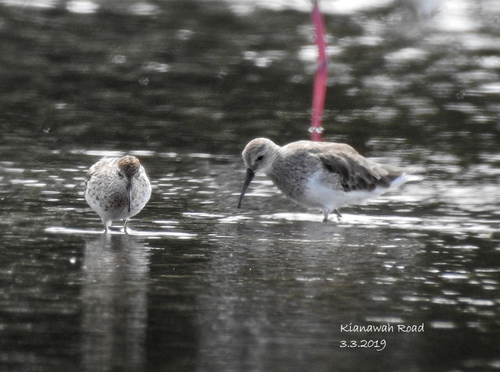
Cox's Sandpiper
hybridCalidris ferruginea × melanotos
Red Knot × White-rumped Sandpiper
hybridCalidris canutus × fuscicollis
Dunlin × Rock Sandpiper
hybridCalidris alpina × ptilocnemis
Calidris fuscicollis × melanotos
hybridCalidris fuscicollis × melanotos
Calidris bairdii × subruficollis
hybridCalidris bairdii × subruficollis
Calidris fuscicollis × subruficollis
hybridCalidris fuscicollis × subruficollis
Calidris alpina × maritima
hybridCalidris alpina × maritima
Calidris canutus × virgata
hybridCalidris canutus × virgata
Calidris fuscicollis × pusilla
hybridCalidris fuscicollis × pusilla
Where it lives
Recorded sightings
—
geo-referenced records in GBIF, from museums, herbaria and field observers.
Drag the globe to turn it. Dots are where records exist, not a range map; darker means more records.
In the stacks
Searching the stacks…
Every page naming Calidris in the Biodiversity Heritage Library →
This page is assembled live from iNaturalist, GBIF, Wikipedia, the Source Library and the Internet Archive. It is not yet part of the hand-edited codex. iNaturalist taxon 3836.