- Plants
- ›Vascular Plants
- ›flowering plants
- ›Dicots
- ›Sunflowers, Bellflowers, Fanflowers, and Allies
- ›Sunflowers, Daisies, Asters, and Allies
- ›Mutisioideae
- ›Mutisieae
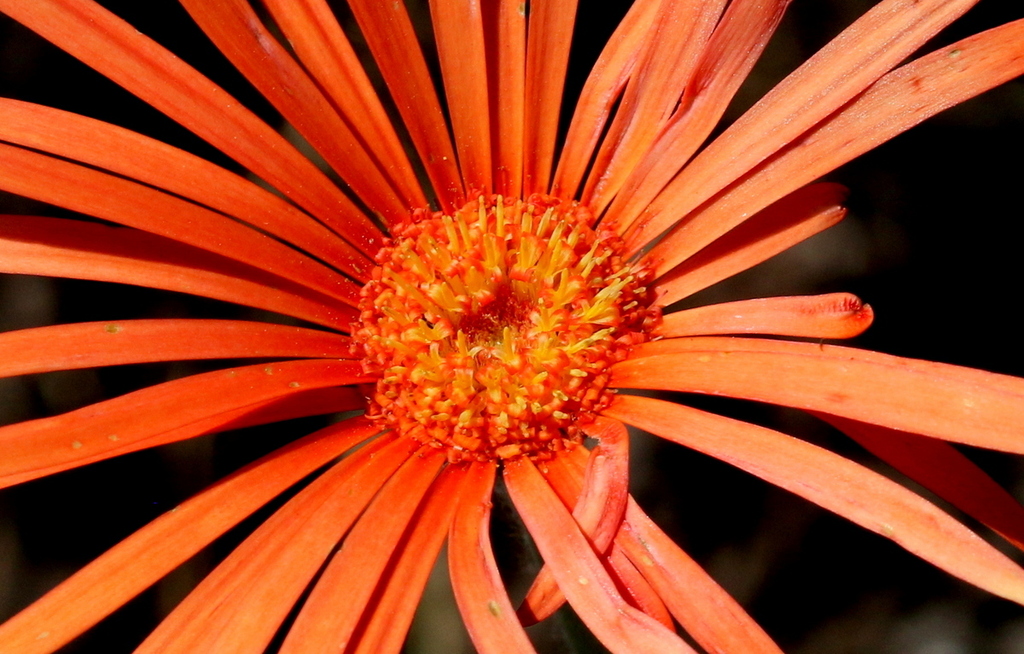
Gerbera Daisies
Gerbera
Gerbera ( JUR-bər-ə or GUR-bər-ə) L. is a genus of plants in the Asteraceae (Compositae) family. The first scientific description of a Gerbera was made by J. D. Hooker in Curtis's Botanical Magazine in 1889 when he described Gerbera jamesonii, a South African species also known as Transvaal daisy or Barberton daisy. Gerbera is also commonly known as the African daisy.
There are also different colors of gerberas.
25 branches of this genus, most-observed first
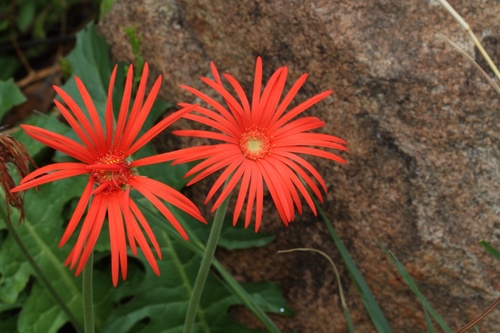
Barberton Daisy
speciesGerbera jamesonii
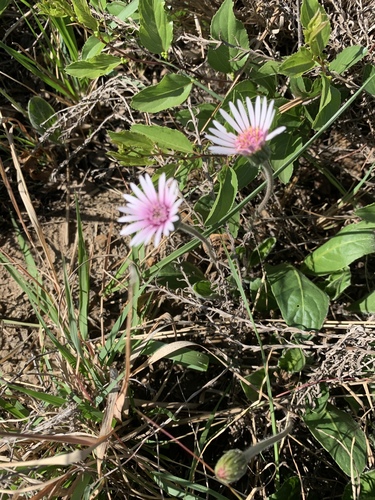
Blushing Gerbera
speciesGerbera viridifolia

Blacktea Gerbera
speciesGerbera piloselloides

Butter Gerbera
speciesGerbera ambigua

Ferny Gerbera
speciesGerbera linnaei

Snow White Gerbera
speciesGerbera crocea

Forest Gerbera
speciesGerbera cordata
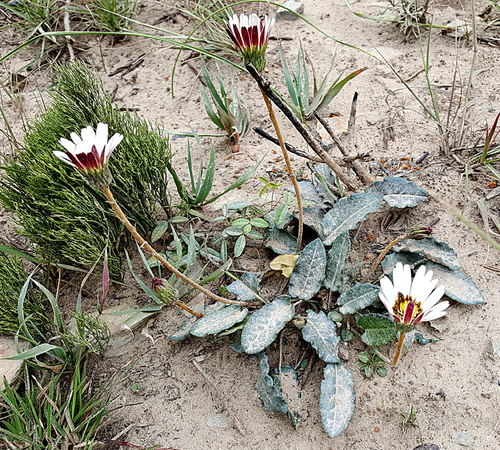
Strap Gerbera
speciesGerbera serrata

Brownfelt Gerbera
speciesGerbera tomentosa

Greentea Gerbera
speciesGerbera natalensis

Hilton Daisy
speciesGerbera aurantiaca
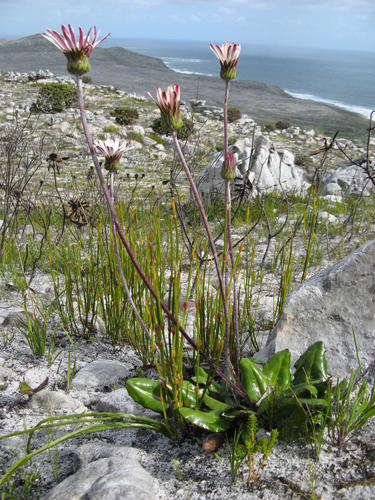
Peninsula Gerbera
speciesGerbera wrightii

Marsh Gerbera
speciesGerbera galpinii

Grand Gerbera
speciesGerbera grandis

Lobed Gerbera
speciesGerbera sinuata

Oval Gerbera
speciesGerbera ovata
Gerbera leandrii
speciesGerbera leandrii

Wood Gerbera
speciesGerbera sylvicola

Drakensberg Gerbera
speciesGerbera parva
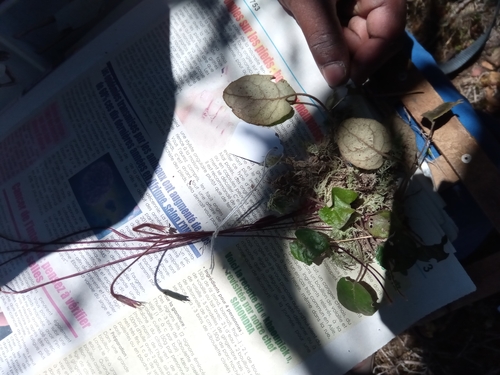
Gerbera perrieri
speciesGerbera perrieri
Gerbera bojeri
speciesGerbera bojeri
Gerbera emirnensis
speciesGerbera emirnensis
Gerbera hypochaeridoides
speciesGerbera hypochaeridoides
Gerbera petasitifolia
speciesGerbera petasitifolia
Gerbera diversifolia
speciesGerbera diversifolia
Where it lives
Recorded sightings
—
geo-referenced records in GBIF, from museums, herbaria and field observers.
Drag the globe to turn it. Dots are where records exist, not a range map; darker means more records.
In the stacks
Searching the stacks…
Every page naming Gerbera in the Biodiversity Heritage Library →
This page is assembled live from iNaturalist, GBIF, Wikipedia, the Source Library and the Internet Archive. It is not yet part of the hand-edited codex. iNaturalist taxon 322689.