- Plants
- ›Vascular Plants
- ›flowering plants
- ›Dicots
- ›Soapberries, Cashews, Mahoganies, and Allies
- ›soapberry family
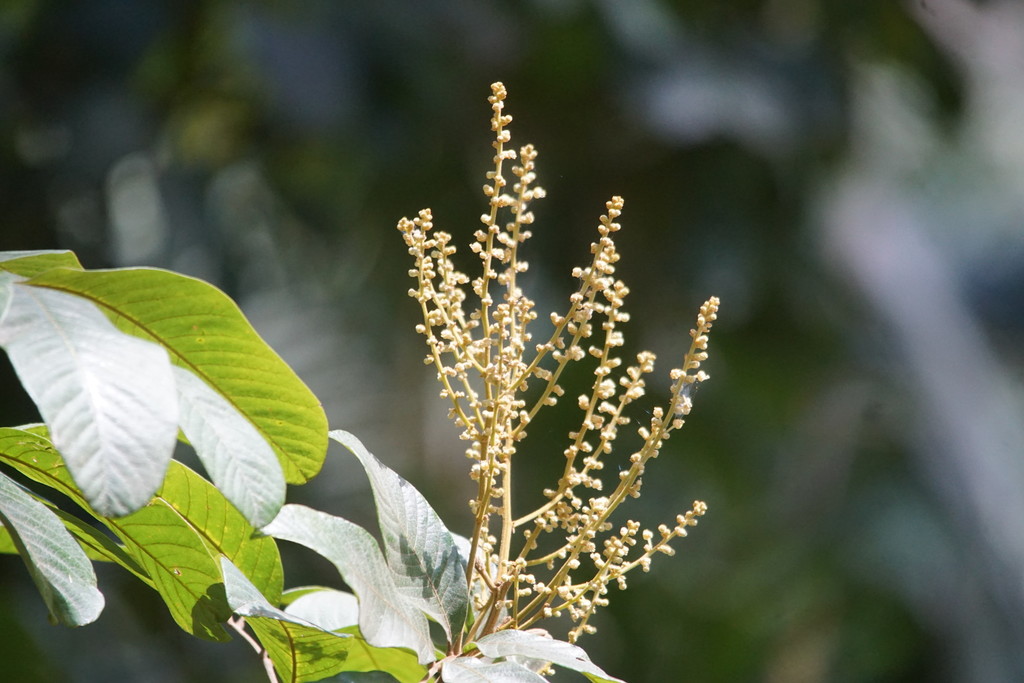
Diploglottis
Diploglottis is a genus of 11 species (as of 2014) in the lychee and maple family Sapindaceae. Most species only occur in the Wet Tropics bioregion of Queensland, but all species except one are endemic to eastern Australia, with the exception being D. diphyllostegia, which also occurs in New Guinea. They are commonly called tamarinds, for example northern tamarind (D. diphyllostegia), Babinda tamarind (D. harpullioides) and Bernie's tamarind (D. bernieana), however they are not closely related to the true tamarind from the family Fabaceae.
Plants in this genus are small to large trees, often with fluted and/or multi-stemmed trunks. Branchlets are fluted, hairy and lenticellate. Leaves are compound and paripinnate; leaflets are stiff, often quite large and may be arranged in opposites or alternately. The inflorescences are panicles, produced in the leaf axils. Flowers are small, polygamous (i.e. having bisexual and unisexual flowers on the same plant), calyx with 5 lobes, corolla with 4 or 5 petals. Fruit are capsules, (1–)2–3(–4) lobed, one or more lobes may be aborted. Seeds entirely or partly enclosed in a bilobed aril.
10 branches of this genus, most-observed first
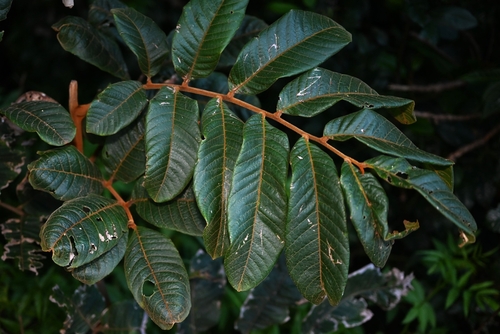
Native Tamarind
speciesDiploglottis australis

Small-leaved Tamarind
speciesDiploglottis campbellii

Native Tamarind
speciesDiploglottis diphyllostegia

Diploglottis smithii
speciesDiploglottis smithii
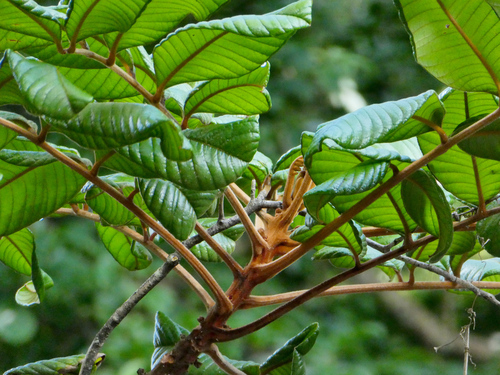
Diploglottis bernieana
speciesDiploglottis bernieana
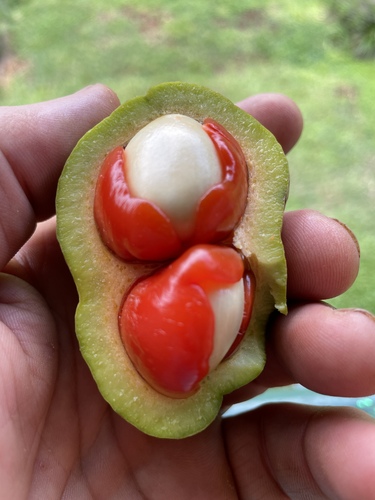
Diploglottis bracteata
speciesDiploglottis bracteata
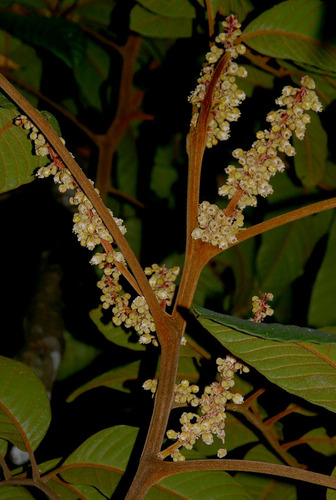
Diploglottis macrantha
speciesDiploglottis macrantha

Diploglottis harpullioides
speciesDiploglottis harpullioides
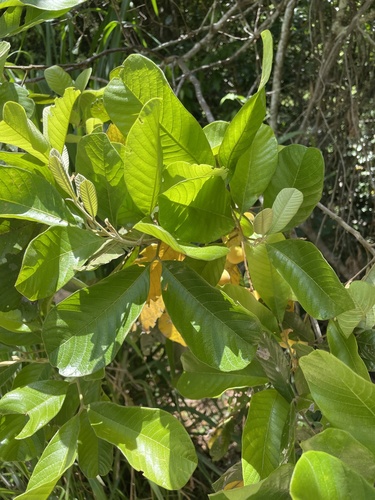
Diploglottis obovata
speciesDiploglottis obovata
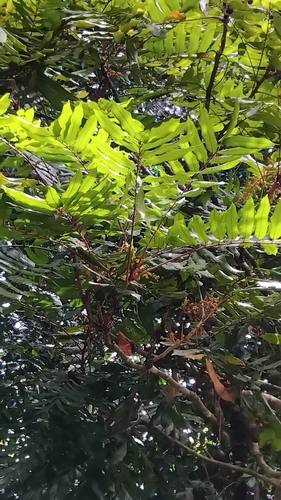
Diploglottis pedleyi
speciesDiploglottis pedleyi
Where it lives
Recorded sightings
—
geo-referenced records in GBIF, from museums, herbaria and field observers.
Drag the globe to turn it. Dots are where records exist, not a range map; darker means more records.
In the stacks
Searching the stacks…
Every page naming Diploglottis in the Biodiversity Heritage Library →
This page is assembled live from iNaturalist, GBIF, Wikipedia, the Source Library and the Internet Archive. It is not yet part of the hand-edited codex. iNaturalist taxon 319392.