 NL·0766
Herbarium of the Nature Library
- Name
- Sialia sialis
- Family
- Turdidae
- Native to
- Eastern North America from southern Canada to the Gulf coast, with resident populations in the highlands of Mexico and Central America to Nicaragua
- Habitat
- Open woodland, Farmland, Grassland edge, Orchards
On eBird ↗
Eastern Bluebird
Live sightings near you, the range map, bar charts of when it is seen, and Macaulay Library photos and recordings.
Eastern bluebird
Sialia sialis
Also calledAzulejo garganta canela (Spanish, Mexico) · Merlebleu de l'Est (French)
A small thrush of open country, sky-blue above and rusty-orange below, that nests in tree holes and nest boxes. Its comeback after mid-20th-century declines is one of the great successes of backyard conservation.
The eastern bluebird is a small North American migratory thrush found in open woodlands, farmlands, and orchards. Wikipedia
What it can do
- iSpots insects in grass from a perch at up to tens of metres and drops onto them
- iiRaises two or three broods a year, with earlier young sometimes helping feed later ones
- iiiReadily adopts nest boxes, which helped it recover after starlings and House Sparrows took natural cavities
In the field
Field marks
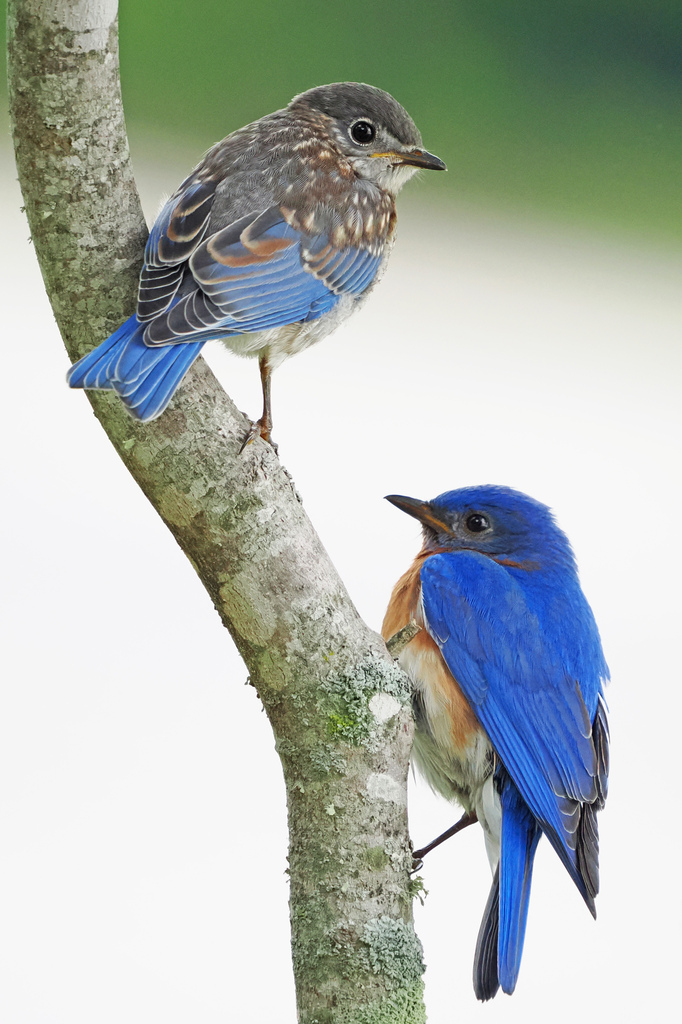
- aMale: vivid royal-blue upperparts, rusty-orange throat and breast, white belly
- bFemale: greyish above with blue wings and tail, paler orange breast
- cUpright posture on wires and fence posts
- dJuveniles grey-brown with spotted breasts and blue in the wings
- Voice
- A soft, low, gurgling warble, often rendered 'tur-a-lee, tur-a-lee'; call a gentle 'tu-a-wee'.
- Not to be confused with
- Western Bluebird has a blue (not orange) throat and often a rusty back. Mountain Bluebird lacks orange. Indigo Bunting is blue all over with a conical bill.
- Where to see it
- Nest-box trails, pastures and golf courses across the eastern US; easy in winter in the south-east.
- When
- Resident in the southern US; summer visitor in the north, Mar–Oct
Listen
Looking for field recordings…
Life & habits
- Diet
- Ground insects such as grasshoppers, crickets and beetles; berries in winter
- Habitat
- Meadows, pastures, orchards, golf courses and open pine woods with scattered perches
- Size
- 16–21 cm; 27–34 g
- Lifespan
- Banding record over 10 years
Bluebird 'trails' of nest boxes along roadsides and fences, promoted by the North American Bluebird Society (founded 1978), now support a large share of the population.
Where it lives
Recorded sightings
—
geo-referenced records in GBIF, from museums, herbaria and field observers.
Native range
Eastern North America from southern Canada to the Gulf coast, with resident populations in the highlands of Mexico and Central America to Nicaragua
Drag the globe to turn it. Dots are where records exist, not a range map; darker means more records.
In the old herbals & bestiaries
Woodcuts and engravings matched from the Source Library’s scanned books by name. Plates marked “relative” show a close kin rather than this exact species. Click a plate to read the page it came from, with translation.

In the stacks
Searching the stacks…
Every page naming Sialia sialis in the Biodiversity Heritage Library →
Marginalia
Henry David Thoreau wrote in his journal that 'the bluebird carries the sky on his back'; it is the state bird of Missouri and New York.
Curiosity
Like the blue jay's, its blue is structural: tiny air pockets in the feathers scatter blue light, and a crushed feather looks brown.
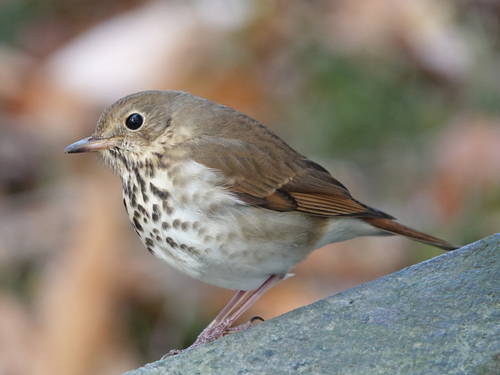
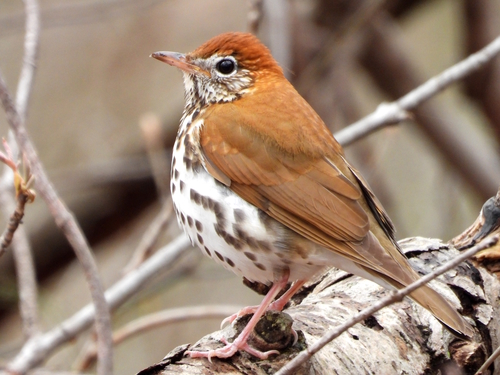
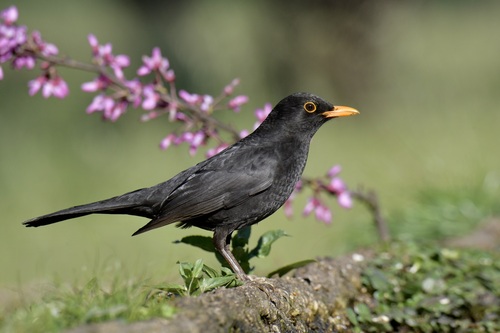
Kinship
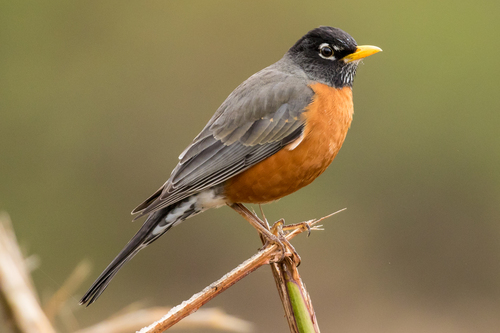

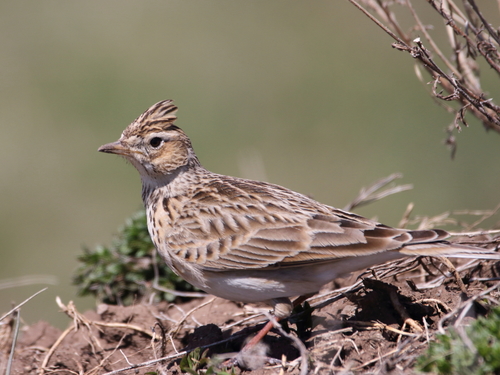
Photographs: iNaturalist contributors under the licences shown. Records: GBIF.org. Historical plates: Source Library (CC BY-SA 4.0; originals public domain). Summary text: Nature Library editors and Wikipedia (CC BY-SA). Medicinal and edibility notes are historical and educational, not advice. iNaturalist taxon 12942.