 NL·0607
Herbarium of the Nature Library
- Name
- Chrysolophus pictus
- Family
- Phasianidae
- Native to
- Mountains of central and western China (Gansu, Shaanxi, Sichuan, Hubei, Guizhou and neighbouring provinces); feral populations in Britain
- Habitat
- Montane forest, Bamboo thicket, Scrub
On eBird ↗
Golden Pheasant
Live sightings near you, the range map, bar charts of when it is seen, and Macaulay Library photos and recordings.
Golden pheasant
Chrysolophus pictus
Also calledHóng fù jǐnjī 红腹锦鸡 (Chinese) · Jǐnjī 锦鸡 (Chinese) · Chinese pheasant
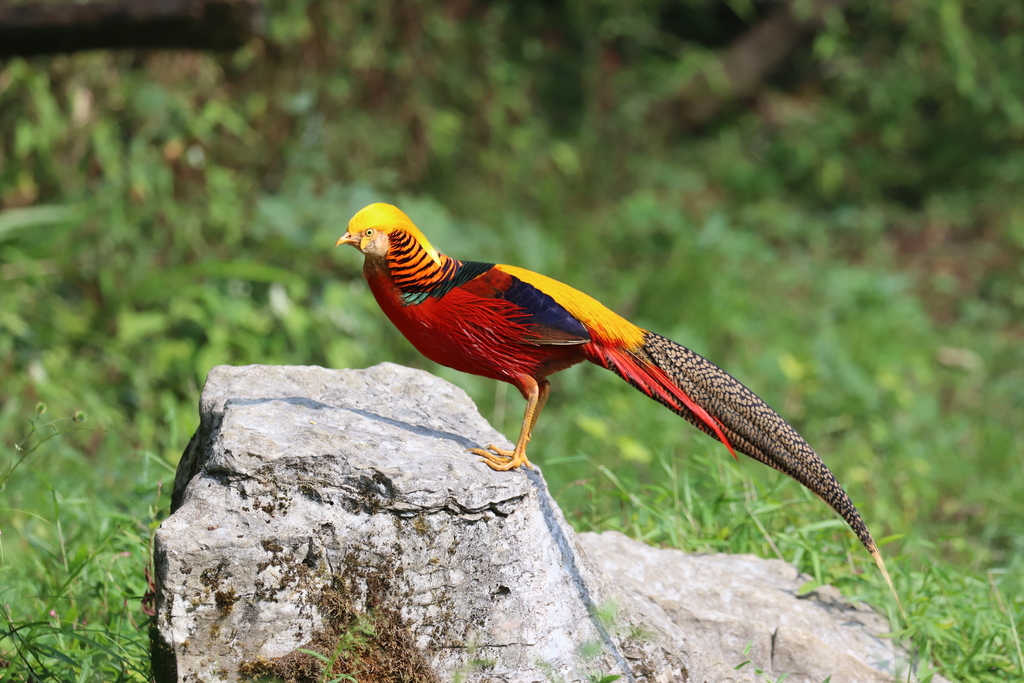
One of the most brilliantly coloured birds in the world: the male has a golden crest, a scarlet body, a cape of orange feathers barred with black and a very long, mottled tail. Despite its colours it is a shy bird of dense mountain thickets in central China.
The golden pheasant, also known as the Chinese pheasant, and rainbow pheasant, is a gamebird of the order Galliformes and the family Phasianidae (pheasants). The genus name is from Ancient Greek khrusolophos, "with golden crest", and pictus is Latin for "painted" from pingere, "to paint". Wikipedia
What it can do
- iMale spreads his golden-and-black cape into a fan around the face during courtship
- iiLives in dense bamboo and scrub where its colours are surprisingly hard to see
- iiiRoosts in trees at night
In the field
Field marks
- aMale: golden-yellow crest and rump, scarlet underparts
- bMale: orange cape barred with black, green upper back
- cVery long, cinnamon tail with dark spots
- dFemale: barred buff-brown with a long tail
- Voice
- A harsh, metallic 'cha-chak' call in spring
- Not to be confused with
- Lady Amherst's pheasant male is white, black and green with a white cape barred black; hybrids between the two are common in captivity.
- Where to see it
- Foping and Changqing reserves in the Qinling Mountains, Shaanxi; Wolong in Sichuan
- When
- Resident year-round
Listen
Looking for field recordings…
Life & habits
- Diet
- Seeds, leaves, shoots, berries and invertebrates
- Habitat
- Dense young forest, bamboo and scrub on mountainsides
- Size
- Males about 90–105 cm including the long tail; females 60–80 cm
Very secretive in the wild; males display to females by fanning the cape sideways and showing it from different angles.
Where it lives
Recorded sightings
—
geo-referenced records in GBIF, from museums, herbaria and field observers.
Native range
Mountains of central and western China (Gansu, Shaanxi, Sichuan, Hubei, Guizhou and neighbouring provinces); feral populations in Britain
Drag the globe to turn it. Dots are where records exist, not a range map; darker means more records.
In the old herbals & bestiaries
Woodcuts and engravings matched from the Source Library’s scanned books by name. Plates marked “relative” show a close kin rather than this exact species. Click a plate to read the page it came from, with translation.


In the stacks
Searching the stacks…
Every page naming Chrysolophus pictus in the Biodiversity Heritage Library →
Marginalia
In Ming and Qing China, the golden pheasant was embroidered on the 'mandarin square' badges of second-rank civil officials. It is widely kept in aviaries and has been in European collections since at least the 18th century.
Curiosity
Linnaeus described it in 1758 in the first edition of Systema Naturae where modern zoological names begin.
Kinship
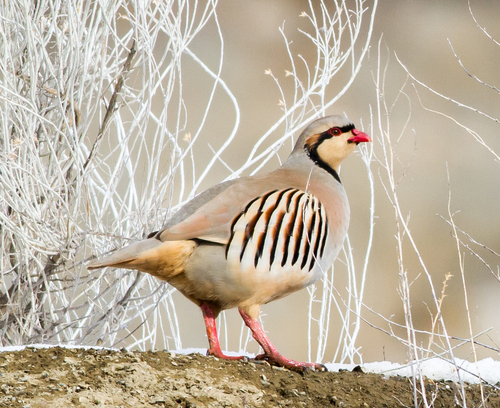
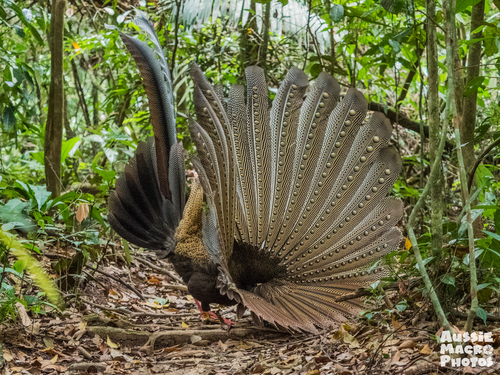

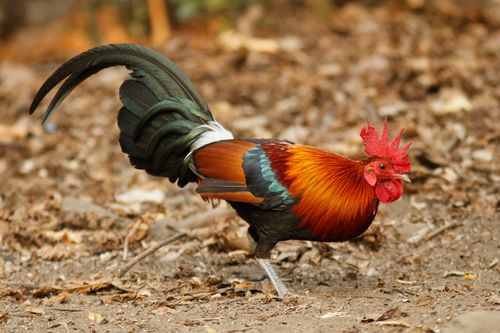
Photographs: iNaturalist contributors under the licences shown. Records: GBIF.org. Historical plates: Source Library (CC BY-SA 4.0; originals public domain). Summary text: Nature Library editors and Wikipedia (CC BY-SA). Medicinal and edibility notes are historical and educational, not advice. iNaturalist taxon 1230.